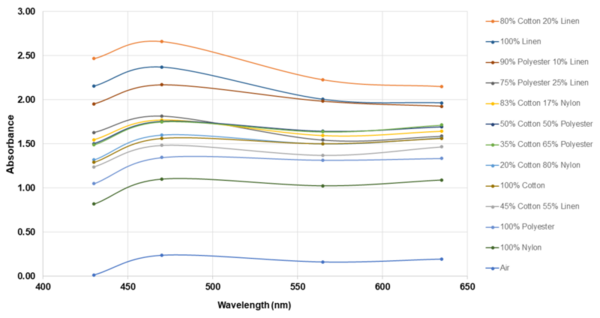
The authors looked at how different blends of synthetic and non-synthetic fabrics protected against UV radiation.
Read More...Effectiveness of different fabrics in protecting from ultraviolet rays
The authors looked at how different blends of synthetic and non-synthetic fabrics protected against UV radiation.
Read More...The Relationship Between Close-Range Shooting Distance and Nitrite Patterns on Cotton and Polyester Clothing
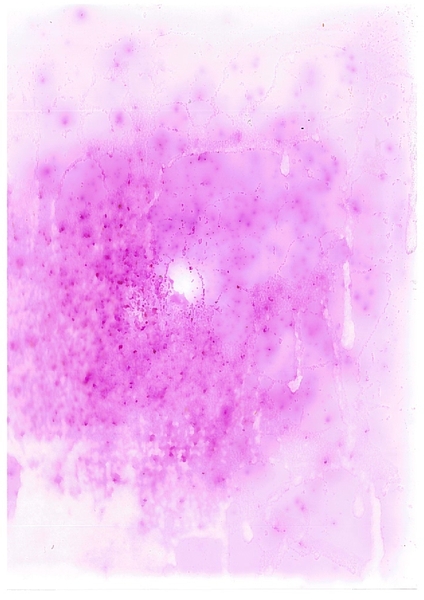
At a crime scene, the presence and pattern of gunshot residue can help forensic scientists piece together the events that occurred. To assist this, the authors of this paper determined the relationship between shooting distance and nitrite residue patterns left on fabric targets.
Read More...An alternative to textile dyes: Synthesizing and applying PMMA nanoparticles to create structural coloration
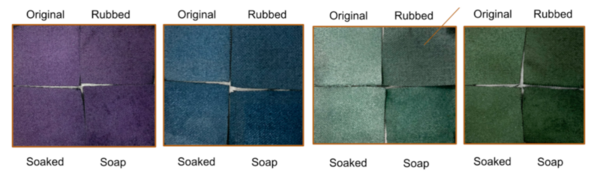
The authors looked at developing a PMMA nanoparticle fabric dye that would be more sustainable compared to traditional fabric dyes. They were able to create PMMA based dyes in different colors that were also durable (i.e., did not fade quickly on fabric).
Read More...A comparative analysis of synthetic and natural fabrics
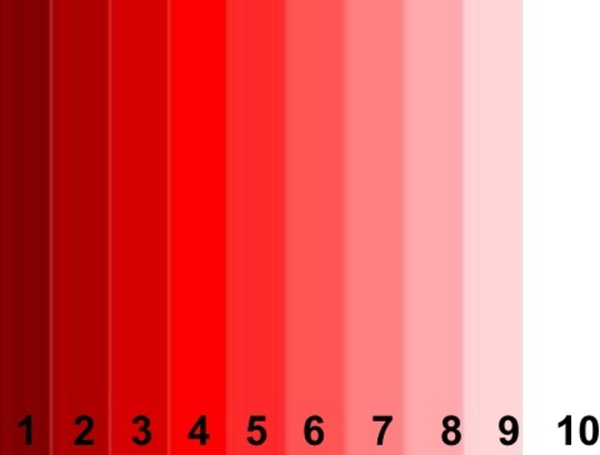
The authors test the durability of synthetic versus non-synthetic fabrics though loose thread counts, color fade over time, and shrinkage tests.
Read More...Testing filtration capabilities of household fabrics for protection against airborne contaminants
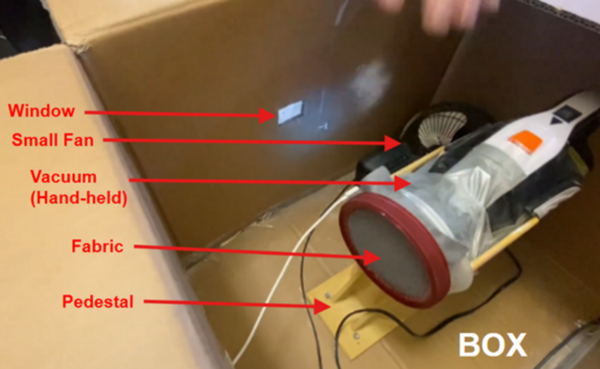
Toxic particulates in the atmosphere pose significant health risks, and while modern masks can help reduce inhalation of these pollutants, their availability may be limited during health crises. This study evaluated the effectiveness of household fabrics (cotton, fleece, wool, and rayon) as particulate filters, finding that cotton outperformed the others in filtration efficiency, while rayon was the least effective. The findings suggest that cotton is a preferable alternative for filtration purposes, while rayon should be avoided.
Read More...Innovative use of recycled textile fibers in building materials: A circular economy approach
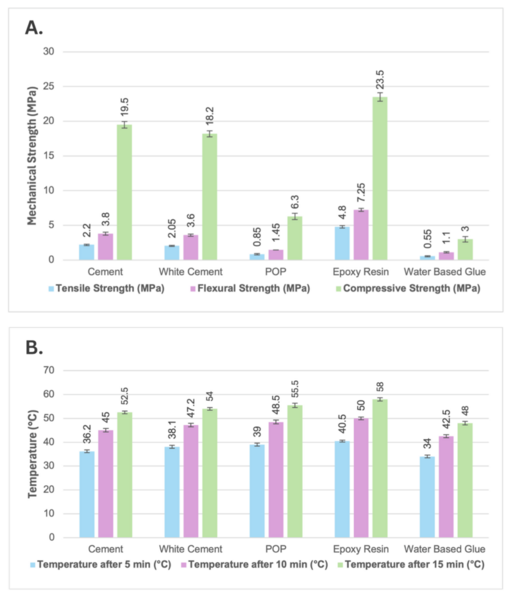
Textile waste from the fashion industry is a major environmental pollutant, but recycling waste into novel building material is a strategy to reduce the negative effects. This manuscript characterized five different binders that can be used to repurpose textile waste into bricks for construction purposes. Water-based glue, cement, white cement, plaster of Paris, and epoxy resin were mixed with shredded textile waste, and the mechanical characteristics and thermal insulation of each brick type were measured. Bricks with increased mechanical strength had the poorest thermal resistance, and the contrasting properties would suit different building purposes. This work provides a first step in generating recycled textile bricks for construction in a circular economy framework.
Read More...