Browse Articles

Impact of simple vs complex carbohydrates under time constraint before anaerobic and aerobic exercise

Cui et al. | Oct 13, 2022

Impact of simple vs complex carbohydrates under time constraint before anaerobic and aerobic exercise

The goal of this study was to determine the if carbohydrates or complex carbohydrates are better for athlete's performance in anaerobic and aerobic exercise. Ultimately, we found that, when one’s schedule only allows for 30 minutes to eat before a workout, the best pre-workout meal for optimal glycogen levels to prompt muscle hypertrophy, strength increases, and better endurance is one that is simple carbohydrate-heavy.

Read More...
The effects of Helianthus Annuus on Amyotrophic Lateral Sclerosis using Drosophila Melanogaster

Srinivasan et al. | Oct 13, 2022

The effects of <em>Helianthus Annuus</em> on Amyotrophic Lateral Sclerosis using <em>Drosophila Melanogaster</em>

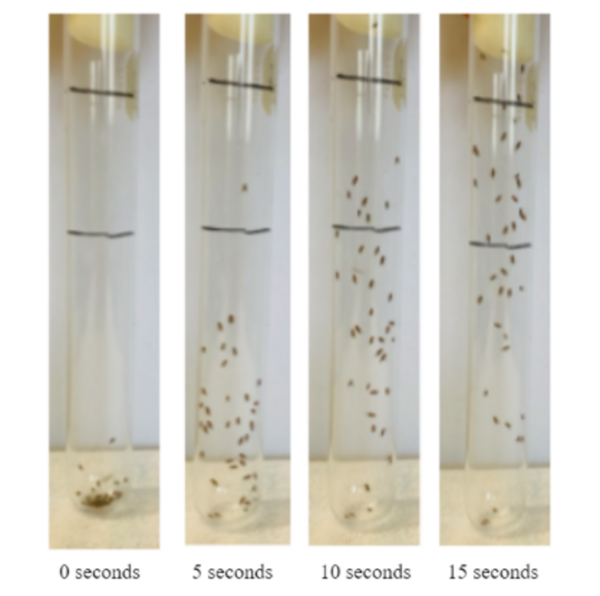
Amyotrophic lateral sclerosis (ALS) affects nearly 200,000 people worldwide and there is currently no cure. The purpose of the study was to determine if Helianthus annuus seeds helped reduce nerve degeneration and increase locomotion using Drosophila melanogaster as the model organism. Through this experiment, we found a general trend suggesting that H. annuus helped increase the mobility of the D. melanogaster suggesting it could be a viable supplement for patients with ALS.

Read More...

Prediction of preclinical Aβ deposit in Alzheimer’s disease mice using EEG and machine learning

Igarashi et al. | Nov 29, 2022

Prediction of preclinical Aβ deposit in Alzheimer’s disease mice using EEG and machine learning

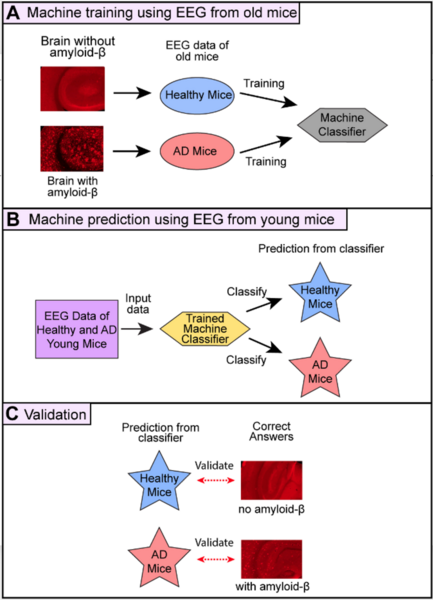
Alzheimer’s disease (AD) is a common disease affecting 6 million people in the U.S., but no cure exists. To create therapy for AD, it is critical to detect amyloid-β protein in the brain at the early stage of AD because the accumulation of amyloid-β over 20 years is believed to cause memory impairment. However, it is difficult to examine amyloid-β in patients’ brains. In this study, we hypothesized that we could accurately predict the presence of amyloid-β using EEG data and machine learning.

Read More...

Analysis of complement system gene expression and outcome across the subtypes of glioma

Mudda et al. | May 17, 2023

Analysis of complement system gene expression and outcome across the subtypes of glioma
Image credit: National Cancer Institute

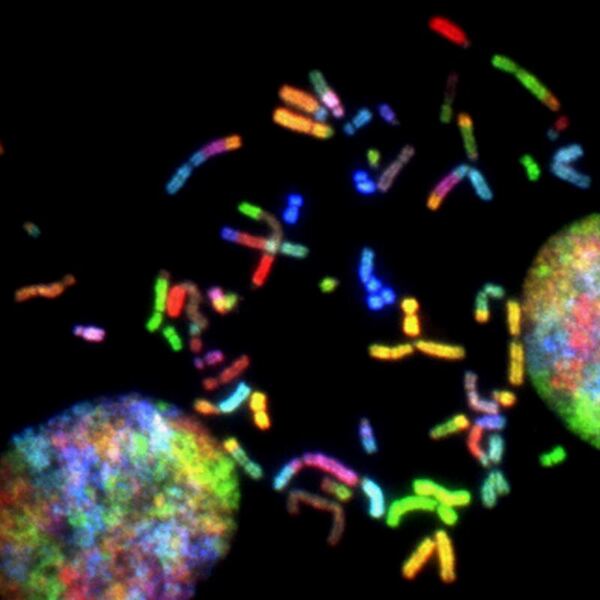
Here the authors sought to better understand glioma, cancer that occurs in the glial cells of the brain with gene expression profile analysis. They considered the expression of complement system genes across the transcriptional and IDH-mutational subtypes of low-grade glioma and glioblastoma. Based on their results of their differential gene expression analysis, they found that outcomes vary across different glioma subtypes, with evidence suggesting that categorization of the transcriptional subtypes could help inform treatment by providing an expectation for treatment responses.

Read More...

An evaluation of the trends in U.S. maternal deaths based on abortion policies from 2018 to 2021

Haq et al. | Feb 18, 2026

An evaluation of the trends in U.S. maternal deaths based on abortion policies from 2018 to 2021

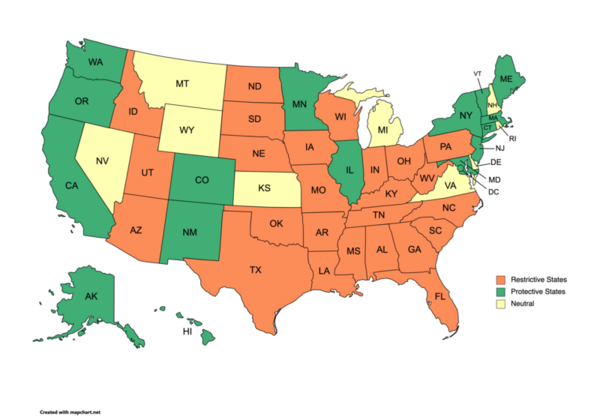
Here the authors evaluate the relationship between state-level abortion policies and maternal mortality across the United States from 2018 to 2021. Their findings reveal that states with restrictive abortion laws consistently experienced higher maternal mortality ratios than those with protective policies, culminating in a 72% increase in deaths within restrictive states by the end of the study period.

Read More...

Country-level relationship of OTC medicine consumption and frequency of GP consultation

Hirai et al. | Dec 09, 2024

Country-level relationship of OTC medicine consumption and frequency of GP consultation

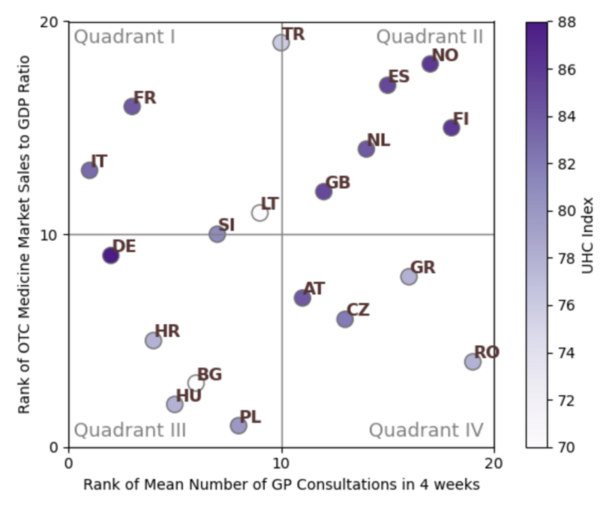
The discussion surrounding self-medication with non-prescription medicines has gained significance in healthcare and public health, particularly given the global increase in consumption of non-prescription drugs. This study aimed to examine the association between the frequency of general practitioner (GP) consultations and the proportion of economic resources spent on OTC medicine.

Read More...

Identification of microwave-related changes in tissue using an ultrasound scan

Shariff et al. | Apr 24, 2024

Identification of microwave-related changes in tissue using an ultrasound scan
Image credit: Shariff and Shariff 2024

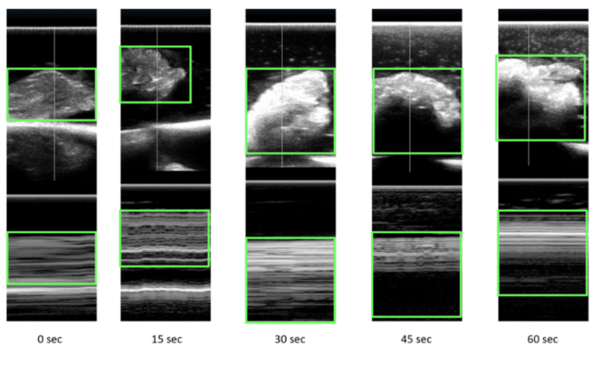
Microwave energy (ME) is used in the medical field to denature protein structures, resulting in inactivation or destruction of abnormal cells. Identifying the extent of destruction of abnormal tissue (cancer tissue or tissue with abnormal electrical activity) is essential for accomplishing successful therapy and reducing collateral damage. Our study was an ex vivo assessment of the changes on ultrasound scans (US) in chicken tissue exposed to ME. We hypothesized that any changes in tissue structures would be recognized on the reflected ultrasound waves. Ultrasound scans of tissues change with exposure to microwaves with increasing reflection of ultrasound waves. With exposure to microwaves, surface level brightness on the ultrasound scans increases statistically significantly. The findings could be used in heat related (ME and radiofrequency) procedures where clinicians would be able to actively assess lesions in real-time. Further studies are required to assess changes in tissue during active exposure to different types of energies.

Read More...

Utilizing a novel T1rho method to detect spinal degeneration via magnetic resonance imaging

Wang et al. | Oct 04, 2023

Utilizing a novel T1rho method to detect spinal degeneration via magnetic resonance imaging

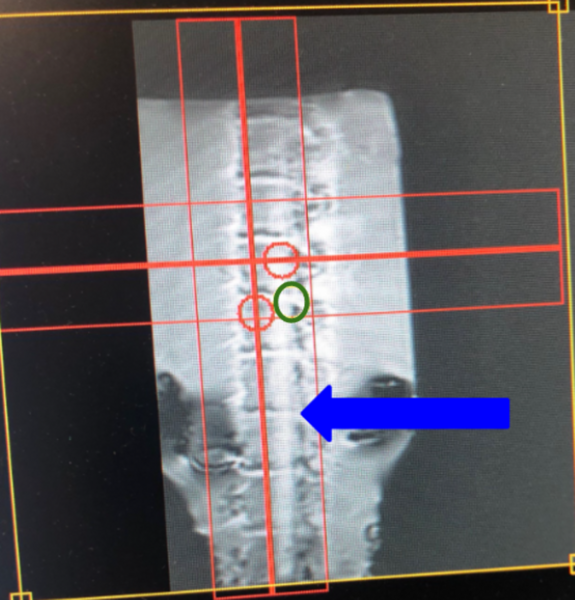
Spinal degeneration has been linked to critical conditions such as osteoarthritis in adults aged 40+; while this condition is considered to be irreversible, we took interest in magnetic resonance imaging (MRI) for early detection of the condition. Ultimately, our purpose was to determine the effectiveness of a relatively novel T1rho method in the early detection of spinal degeneration, and we hypothesized that the early to mild progression of spinal degeneration would affect T1rho values following an MRI scan.

Read More...