Browse Articles

Quantifying right atrial dilation relative to atrial septal defect size using an experimental model

Lee et al. | Dec 06, 2025

Quantifying right atrial dilation relative to atrial septal defect size using an experimental model
Image credit: jesse orrico

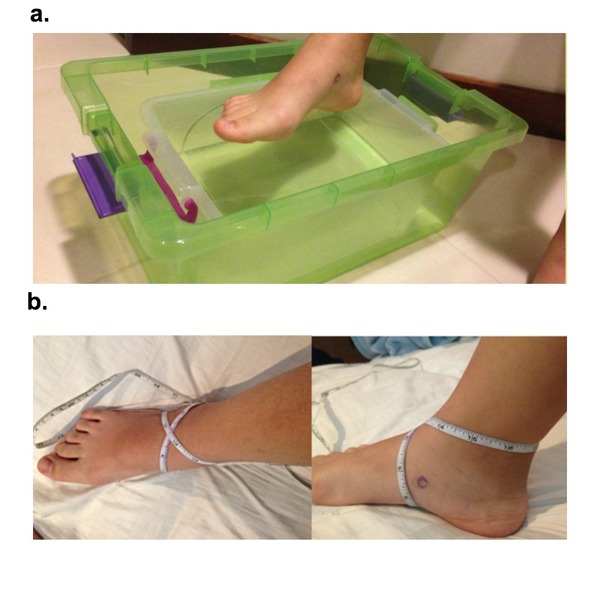
To address the limitations in predicting the severity of Atrial Septal Defect (ASD), here the authors utilized a fluid-filled chamber model to quantify the relationship between defect size and right atrial fluid output. The findings confirmed that larger ASD diameters result in a linear increase in fluid output, validating a cost-effective model that can improve clinical prognosis and treatment planning for heart failure risks.

Read More...

Pressing filtration for extraction of cabbage dietary fiber and soluble components

Xie et al. | Nov 16, 2025

Pressing filtration for extraction of cabbage dietary fiber and soluble components
Image credit: Shelley Pauls

Here the authors introduce pressing filtration as a novel, efficient, and low-energy method for extracting dietary fiber from cabbage, which successfully retains heat-sensitive nutrients and achieves a high fiber yield. The study demonstrates the scalability and economic viability of this technique for commercial use, highlighting that the resulting high-fiber cabbage powder can be incorporated into familiar foods like hamburger buns and beef patties without compromising taste or sensory quality.

Read More...

Quantifying natural recovery of dopamine deficits induced by chronic stress

Josyula et al. | Oct 27, 2025

Quantifying natural recovery of dopamine deficits induced by chronic stress
Image credit: Shawn Day

Here the authors investigated the natural recovery of stress-induced dopamine-related gene deficits in C. elegans by measuring the expression of cat-2 (dopamine biosynthesis) and sod-2 (oxidative stress) following exposure to starvation or hydrocortisone. They found that the reversibility of sod-2 and the expression of cat-2 were highly dependent on the type and severity of the stressor, suggesting that the body's natural ability to recover from dopamine dysfunction has biological limitations.

Read More...