Browse Articles

Colorism and the killing of unarmed African Americans by police

Hempfield et al. | Nov 08, 2021

Colorism and the killing of unarmed African Americans by police

The purpose of this study was to investigate the relationship between colorism and police killings of unarmed African American suspects. The authors collected data from the Washington Post database, which reports unarmed African American victims from 2015–2021, and found that the victims who were killed by police were darker on average than a control population of African Americans that had not encountered the police.

Read More...

Evaluating cinnamaldehyde as an antibacterial agent in a produce wash for leafy greens

Drennan et al. | Oct 28, 2021

Evaluating cinnamaldehyde as an antibacterial agent in a produce wash for leafy greens

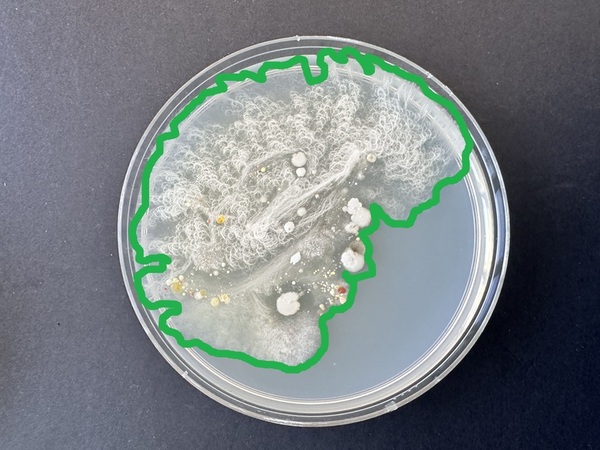
Recognizing a growing demand for organic produce, the authors sought to investigate plant-based antibiotic solutions to meet growing consumer demand for safe produce and also meet microbial standards of the USDA. The authors investigated the use of cinnamaldehyde as an antibacterial again E. coli, finding that lettuce treated with cinnamaldehyde displayed significantly lower colony-forming units of E. coli when compared to lettuce treated with chlorine bleach.

Read More...

Integration of iron oxide nanoparticles into high-density polyethylene for sustainable cup coatings

Atmadja et al. | Jul 08, 2026

Integration of iron oxide nanoparticles into high-density polyethylene for sustainable cup coatings

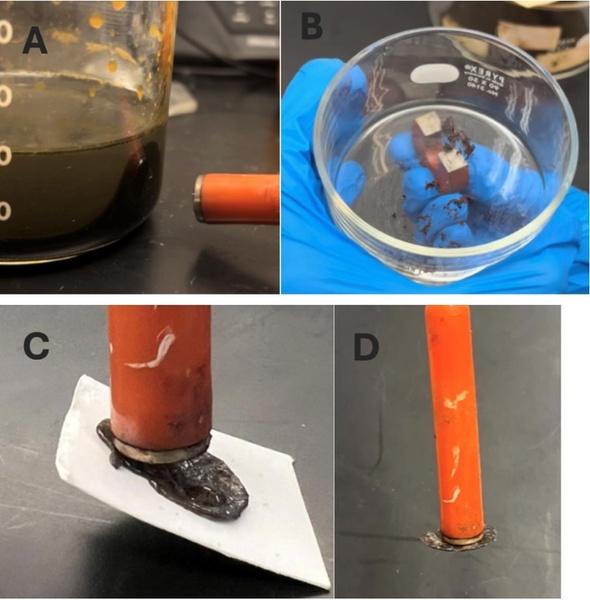
Here the authors propose integrating magnetic iron (II) oxide nanoparticles into the high-density polyethylene linings of disposable paper cups to create a waterproof, magnetically responsive composite liner. Their findings demonstrate that these nanoparticles successfully bond with the plastic layer without disrupting its structural integrity, offering a viable method to improve plastic recovery through magnetic recycling and mitigate global microplastic pollution.

Read More...

Using broad health-related survey questions to predict the presence of coronary heart disease

Chavda et al. | Aug 23, 2024

Using broad health-related survey questions to predict the presence of coronary heart disease

Coronary heart disease (CHD) is the leading cause of death in the U.S., responsible for nearly 700,000 deaths in 2021, and is marked by artery clogging that can lead to heart attacks. Traditional prediction methods require expensive clinical tests, but a new study explores using machine learning on demographic, clinical, and behavioral survey data to predict CHD.

Read More...