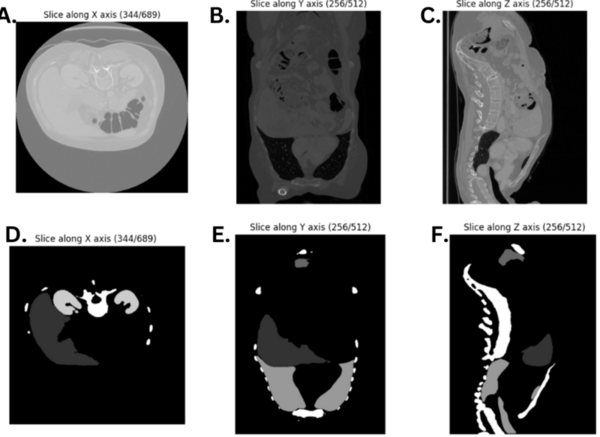
The authors looked at different models of semantic segmentation to determine which may be best used in the future for segmentation of CT scans to help diagnose certain conditions.
Read More...Unlocking robotic potential through modern organ segmentation
The authors looked at different models of semantic segmentation to determine which may be best used in the future for segmentation of CT scans to help diagnose certain conditions.
Read More...Training and comparison of fine-tuned small language models as math tutoring assistants

Here the authors evaluateE various configurations of Llama 3.2 models (ranging from 1B to 8B parameters trained across 1 to 5 epochs) to serve as cost-effective math tutoring assistants for K-12 classrooms. Their findings show that while the largest 8B model trained for 5 epochs achieved peak accuracy, smaller fine-tuned models provide a viable, resource-efficient balance for practical educational deployment.
Read More...Training neural networks on text data to model human emotional understanding
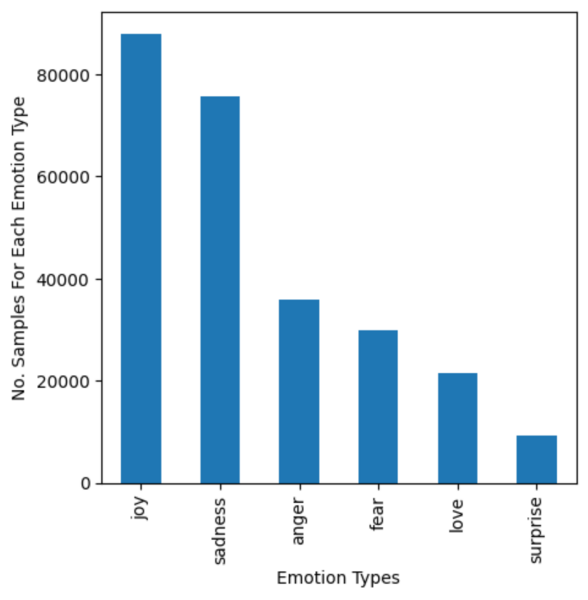
The authors train a neural network to detect text-based emotions including joy, sadness, anger, fear, love, and surprise.
Read More...Effects of Ocean Acidification on the Photosynthetic Ability of Chaetoceros gracilis in the Monterey Bay

In this article, Harvell and Nicholson hypothesized that increased ocean acidity would decrease the photosynthetic ability of Chaetoceros gracilis, a diatom prolific in Monterey Bay, because of the usually corrosive effects of carbonic acid on both seashells and cells’ internal structures. They altered pH of algae environments and measured the photosynthetic ability of diatoms over four days by spectrophotometer. Overall, their findings indicate that C. gracilis may become more abundant in Monterey Bay as the pH of the ocean continues to drop, potentially contributing to harmful algal blooms.
Read More...Discovery of novel targets for diffuse large B-cell lymphoma
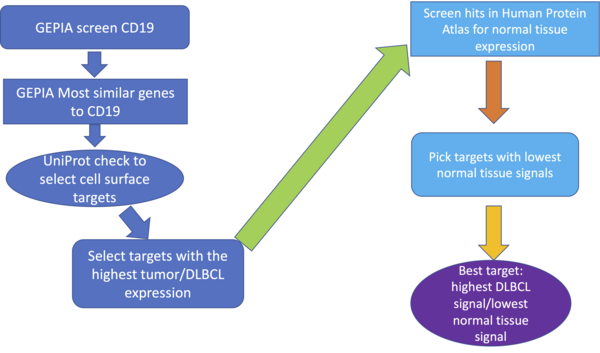
In this study, the authors identify new potential targets to treat advanced diffuse large B-cell lymphoma after treatment relapse and loss of CD19 expression.
Read More...Lung region complexity affects Grad-CAM and Deep Taylor outcomes in pneumonia predictions

The authors studied the accuracy of two commonly used explainable AI techniques for detecting pneumonia in chest x-rays.
Read More...Environmental, social, and governance ratings and firm performance: Evidence from the Chinese stock market

Large corporations often are known for their financial power, but what social and environmental power and conscious do they have? The more responsible corporations are in relation to environmental, social, and governance criteria the better they do fiscally.
Read More...Exploring Unconventional Growing Methods to Promote Healthy Growth in Common Household Plants: Tagetes patula L. and Lepidium sativum

This study focused on finding more sustainable growing methods that reduce chemical fertilizer or water usage and can be used at the household level for garden plants. Metrics for healthy plant growth were height at first bloom, growing time, and survival rate. The Deep Water Culture (DWC) treatment for garden cress plants significantly increased the height at first bloom compared to the control group. For rates of surviving plants, the treatments had little effect on garden cress, but the Eggshell Grounds, Wick System, and DWC system groups outperformed the control group for marigolds.
Read More...Optimizing AI image detection using a Convolutional Neural Network model with Fast Fourier Transform
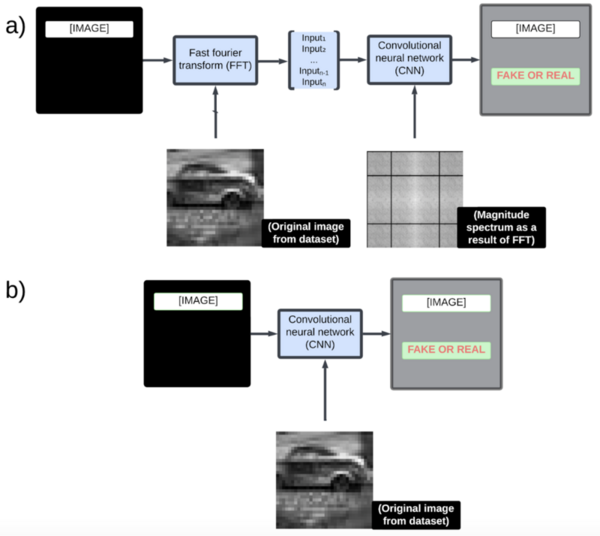
Recent advances in generative AI have made it increasingly hard to distinguish real images from AI-generated ones. Traditional detection models using CNNs or U-net architectures lack precision because they overlook key spatial and frequency domain details. This study introduced a hybrid model combining Convolutional Neural Networks (CNN) with Fast Fourier Transform (FFT) to better capture subtle edge and texture patterns.
Read More...Computational evidence for differential endocrine disruption by DEHP and PET via estrogen receptor beta binding
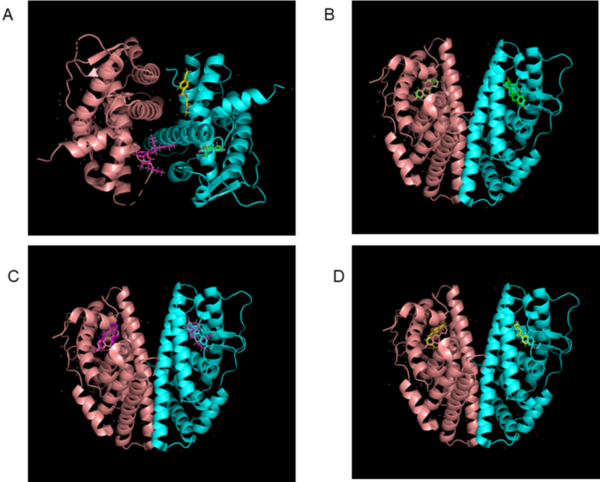
The authors demonstrate computationally that two types of nanoplastics can bind to estrogen receptor beta and potentially disrupt endocrine systems.
Read More...