Browse Articles

Using the COmplex PAthway SImulator, Stage Analysis, and Chemical Kinetics to Develop a Novel Solution to Lower Tau Concentrations in Alzheimer’s Disease

Carroll et al. | Sep 28, 2020

Using the COmplex PAthway SImulator, Stage Analysis, and Chemical Kinetics to Develop a Novel Solution to Lower Tau Concentrations in Alzheimer’s Disease

In this study, the authors ask whether a Tau immunotherapy treatment, Hsp70 protein treatment, or dual treatment approach of both the Tau imunotherapy treatment and Hsp70 protein treatment leads to a greater reduction in Tau protein concentration in Alzheimer's disease. Overall, they conclude that the effectiveness of the treatment ultimately relies on the stage of Alzheimer’s.

Read More...

FRUGGIE – A Board Game to Combat Obesity by Promoting Healthy Eating Habits in Young Children

Huprikar et al. | Jun 13, 2018

FRUGGIE – A Board Game to Combat Obesity by Promoting Healthy Eating Habits in Young Children

The authors created a board game to teach young children about healthy eating habits to see whether an interactive and family-oriented method would be effective at introducing and maintaining a love for fruits and veggies. Results showed that children developed a liking for fruits and vegetables, and none regressed. Half maintained their level of enjoyment for fruits and vegetables during the research period, while the other half had a positive increase. The results show that a simple interactive game can shape how young children relate to food and encourage them to maintain healthy habits.

Read More...

An Investigative Analysis of Climate Change Using Historical and Modern Weather Data

Han et al. | Dec 02, 2013

An Investigative Analysis of Climate Change Using Historical and Modern Weather Data

Climate change is an important and contentious issue that has far-reaching implications for our future. The authors here compare primary temperature and precipitation data from almost 200 years ago against the present day. They find that the average annual temperature in Brooklyn, NY has risen significantly over this time, as has the frequency of precipitation, though not the amount of precipitation. These data stress the need for more ecologically-conscious choices in our daily lives.

Read More...

The effect of lead oxide concentrations on the bioluminescence intensity of Panellus stipticus

Park et al. | Mar 02, 2026

The effect of lead oxide concentrations on the bioluminescence intensity of <i>Panellus stipticus</i>

Here the authors investigate the potential of the bioluminescent fungus Panellus stipticus to serve as a sustainable bioindicator for environmental lead contamination. Their findings demonstrate that higher lead concentrations cause a measurable decrease in fungal bioluminescence intensity over time suggesting that the fungus could be an effective tool for detecting lead in an environment.

Read More...

The use of computer vision to differentiate valley fever from lung cancer via CT scans of nodules

El Kereamy et al. | Nov 12, 2024

The use of computer vision to differentiate valley fever from lung cancer via CT scans of nodules

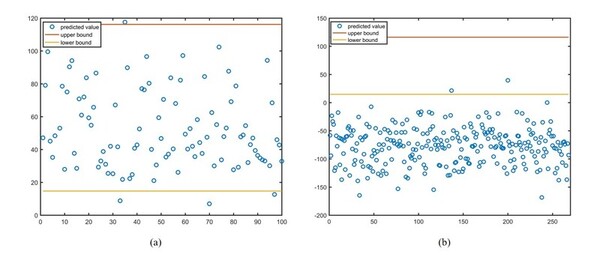
Pulmonary diseases like lung cancer and valley fever pose serious health challenges, making accurate and rapid diagnostics essential. This study developed a MATLAB-based software tool that uses computer vision techniques to differentiate between these diseases by analyzing features of lung nodules in CT scans, achieving higher precision than traditional methods.

Read More...

The effect of bioenhancers on ampicillin-sulbactam as a treatment against A. baumannii

Balaji et al. | Sep 21, 2024

The effect of bioenhancers on ampicillin-sulbactam as a treatment against <i>A. baumannii<i>

This article explores the potential of piperine, a bioenhancer from black pepper, to improve antibiotic efficacy against antibiotic-resistant Acinetobacter baumannii. By combining piperine with ampicillin-sulbactam, the study demonstrated a significant reduction in bacterial growth for most strains tested, showcasing the promise of bioenhancers in combating resistant pathogens. This research highlights the possibility of reducing the required antibiotic dosage, potentially offering a new strategy in the fight against drug-resistant bacteria.

Read More...