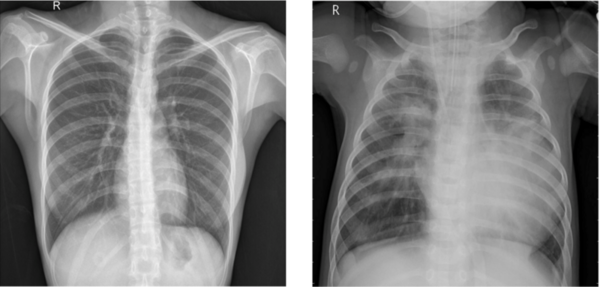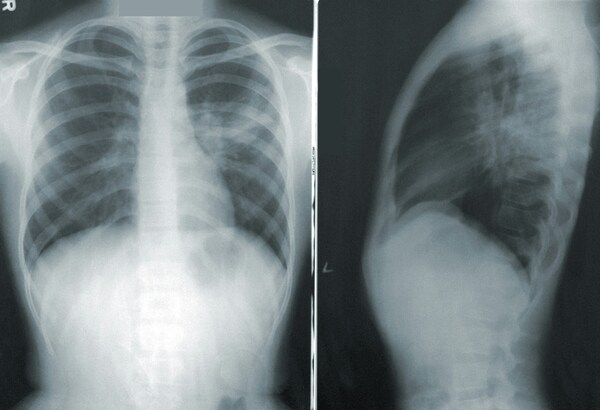
The authors test various machine learning models to improve the accuracy and efficiency of pneumonia diagnosis from X-ray images.
Read More...Convolutional neural network-based analysis of pediatric chest X-ray images for pneumonia detection
The authors test various machine learning models to improve the accuracy and efficiency of pneumonia diagnosis from X-ray images.
Read More...Analyzing breath sounds by using deep learning in diagnosing bronchial blockages with artificial lung
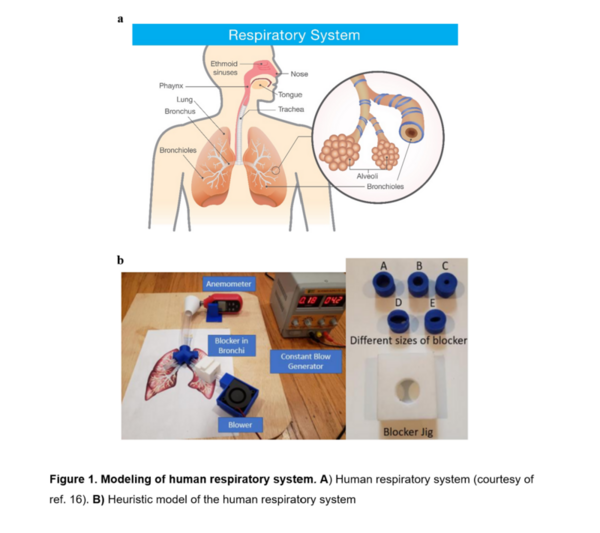
Many common respiratory illnesses like bronchitis, asthma, and chronic obstructive pulmonary disease (COPD) lead to bronchial inflammation and, subsequently, a blockage. However, there are many difficulties in measuring the severity of the blockage. A numeric metric to determine the degree of the blockage severity is necessary. To tackle this demand, we aimed to develop a novel human respiratory model and design a deep-learning program that can constantly monitor and report bronchial blockage by recording breath sounds in a non-intrusive way.
Read More...Entropy-based subset selection principal component analysis for diabetes risk factor identification
In this article, the authors looked at developing a strategy that would allow for earlier diagnosis of Diabetes as that improves long-term outcomes. They were able to find that BMI, tricep skin fold thickness, and blood pressure are the risk factors with the highest accuracy in predicting diabetes risk.
Read More...Predicting the Instance of Breast Cancer within Patients using a Convolutional Neural Network
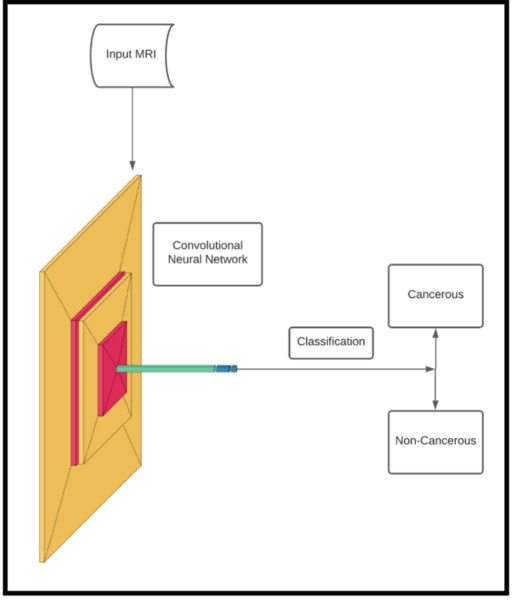
Using a convolution neural network, these authors show machine learning can clinically diagnose breast cancer with high accuracy.
Read More...Role of bacterial flagella in bacterial adhesion of Escherichia coli to glass surface
In this study, the authors investigate the effects that flagella have on E. coli's ability to adhere to glass surfaces.
Read More...Behavioral Longevity: The Impact of Smoking, Alcohol Consumption, and Obesity on Life Expectancy
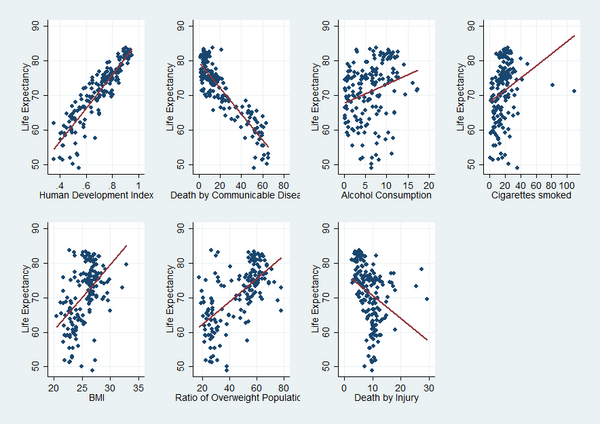
In this article, the authors look into what is already known about the factor affecting longevity and determine the importance of behavioral factors including alcohol consumption, smoking, and obesity on longevity. The authors quantify data from over 150 countries and, interestingly, find that the impact each factor has on longevity is at least in part dependent on the country's economic development status. Overall, they conclude that an average person’s life expectancy can increase by more than 3 years if smoking and alcohol consumption is reduced by a half and weight is decreased by 10%.
Read More...Comparative analysis of the speeds of AES, ChaCha20, and Blowfish encryption algorithms
The authors looked at different algorithms and their ability to encrypt and decrypt text of various lengths.
Read More...Advancements in glioma segmentation: comparing the U-Net and DeconvNet models
This study compares the performance of two deep learning models, U-Net and DeconvNet, for segmenting gliomas from MRI scans.
Read More...Advancing pediatric cancer predictions through generative artificial intelligence and machine learning
Pediatric cancers pose unique challenges due to their rarity and distinct biological factors, emphasizing the need for accurate survival prediction to guide treatment. This study integrated generative AI and machine learning, including synthetic data, to analyze 9,184 pediatric cancer patients, identifying age at diagnosis, cancer types, and anatomical sites as significant survival predictors. The findings highlight the potential of AI-driven approaches to improve survival prediction and inform personalized treatment strategies, with broader implications for innovative healthcare applications.
Read More...Using Artificial Intelligence to Forecast Continuous Glucose Monitor(CGM) readings for Type One Diabetes
People with Type One diabetes often rely on Continuous Blood Glucose Monitors (CGMs) to track their blood glucose and manage their condition. Researchers are now working to help people with Type One diabetes more easily monitor their health by developing models that will future blood glucose levels based on CGM readings. Jalla and Ghanta tackle this issue by exploring the use of AI models to forecast blood glucose levels with CGM data.
Read More...