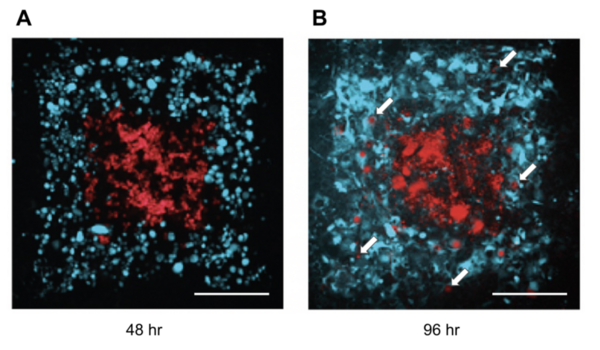
The authors looked at how a 3D bioprinter could be used to model the blood brain barrier.
Read More...A novel in vitro blood-brain barrier model using 3D bioprinter: A pilot study
The authors looked at how a 3D bioprinter could be used to model the blood brain barrier.
Read More...Development of anti-cancer bionanoparticles isolated from corn for bone cancer treatment
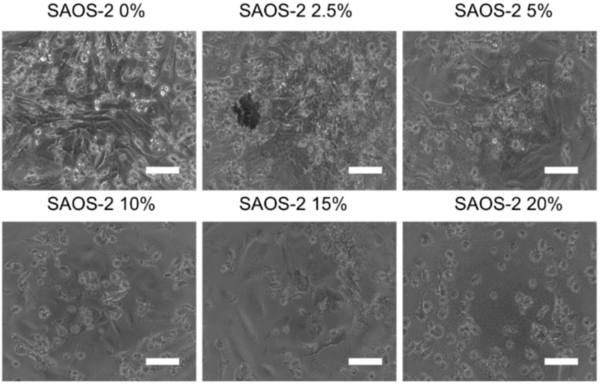
This study hypothesizes that nanoparticles derived from corn (cNPs)may have anti-proliferative effects on bone cancer and metastasized bone cancer. It finds that human osteosarcoma and human lung carcinoma metastasized to bone marrow cell viability decreased to 0% when treated with cNPs. Overall, these results indicate that cNPs have anti-proliferative effects on bone cancer cells and cancer cells that metastasize to the bone.
Read More...Toxicity of aminomethylphosphonic acid via the Wnt signaling pathway as a novel mechanism

The Wnt signaling pathway, known to coordinate important aspects of cellular homeostasis ranging from differentiation, proliferation, migration, and much more, is dysregulated in many human diseases. This study demonstrates that aminomethylphosphonic acid, which is the main metabolite found in the common herbicide Glyphosate, is toxic to planaria and capable of binding to canonical Wnt proteins.
Read More...Machine learning-based enzyme engineering of PETase for improved efficiency in plastic degradation
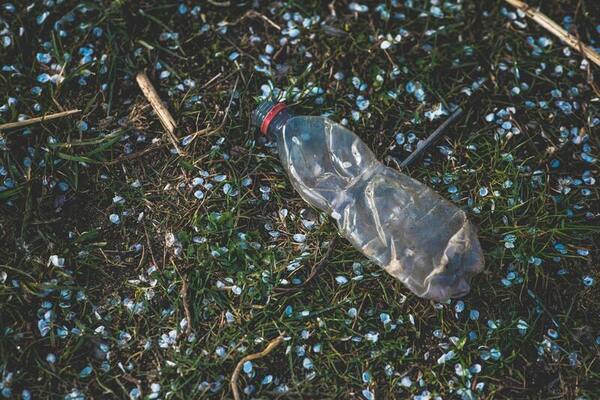
Here, recognizing the recognizing the growing threat of non-biodegradable plastic waste, the authors investigated the ability to use a modified enzyme identified in bacteria to decompose polyethylene terephthalate (PET). They used simulations to screen and identify an optimized enzyme based on machine learning models. Ultimately, they identified a potential mutant PETases capable of decomposing PET with improved thermal stability.
Read More...Protective effect of bromelain and pineapple extracts on UV-induced damage in human skin cells

In this study, the authors tested whether the compound bromelain extracted from pineapples could protect skin cells from UV damage.
Read More...Distribution of prophages in the Streptococcus bacteria genus and their role in increasing host pathogenicity
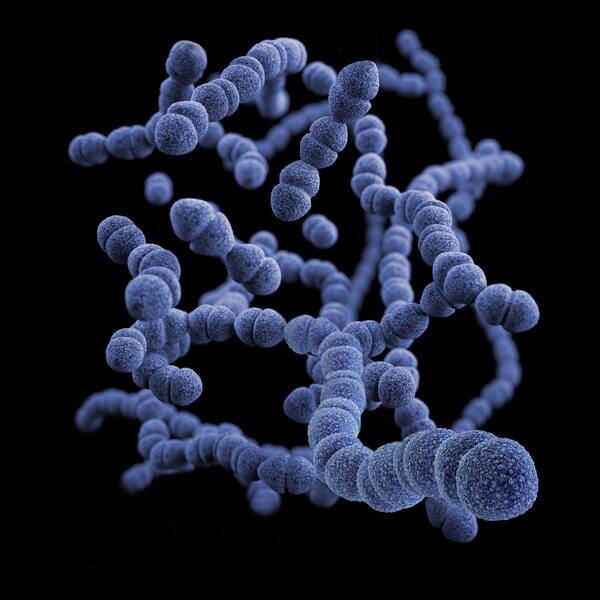
The authors investigated prophages present in Streptococcus bacteria that may increase their survival in different environments.
Read More...Solving a new NP-Complete problem that resembles image pattern recognition using deep learning
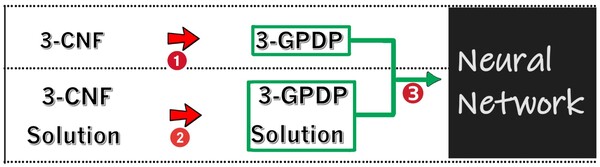
In this study, the authors tested the ability and accuracy of a neural net to identify patterns in complex number matrices.
Read More...Autologous transplantation of fresh ovarian tissue in the ICR mice model
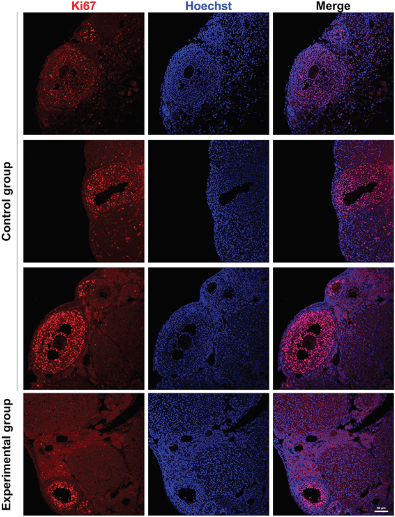
In this study, we performed orthotopic auto-transplantation of fresh ovarian tissues by transplanting unilateral half ovarian tissue to the contralateral ovary in the ICR (Institute of Cancer Research) strain of outbred, heterogeneous mice to determine if the transplanted tissue could be functional. We found that the freshly transplanted mouse ovarian tissue survived and functional, as histochemical and immunofluorescence assays have shown that not only both follicles at different developing stages and corpus luteum are available, but the morphology of them are properly maintained within the transplanted tissue.
Read More...Identification of a core set of model agnostic mRNA associated with nonalcoholic steatohepatitis (NASH)
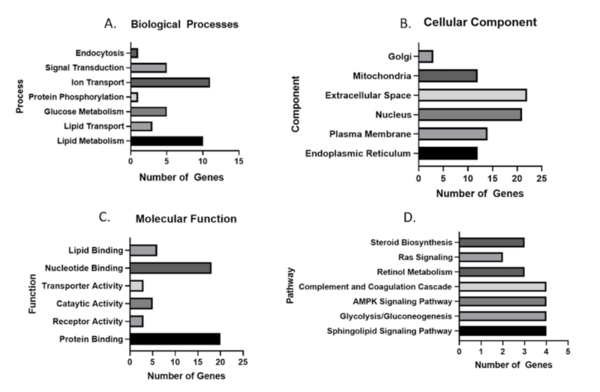
In this study, the authors analyze gene expression datasets to determine if there is a core set of genes dysregulated during nonalcoholic steatohepatitis.
Read More...Post-Traumatic Stress Disorder (PTSD) biomarker identification using a deep learning model
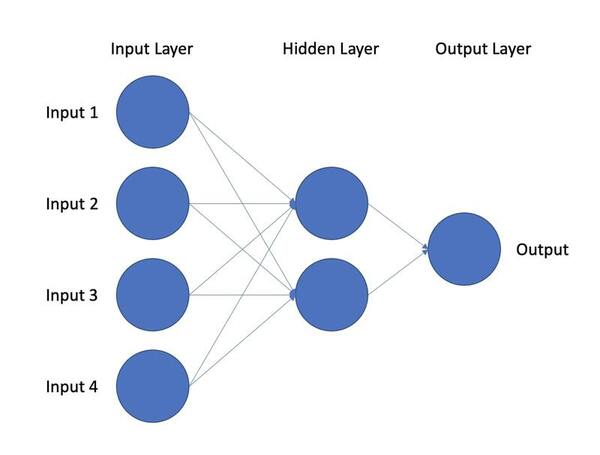
In this study, a deep learning model is used to classify post-traumatic stress disorder patients through novel markers to assist in finding candidate biomarkers for the disorder.
Read More...