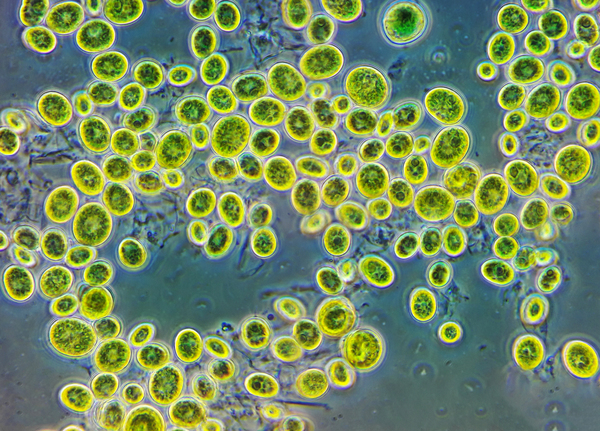
Chlorella sp. are unicellular green algae that use photosynthesis to reduce carbon dioxide into glucose. In this study, authors sought to determine the temperature that Chlorella sp. is maximally efficient at photosynthesis, and therefore removing the most carbon dioxide from the system. This activity could be harnessed to naturally remove carbon dioxide from the environment, fighting the effects of climate change.
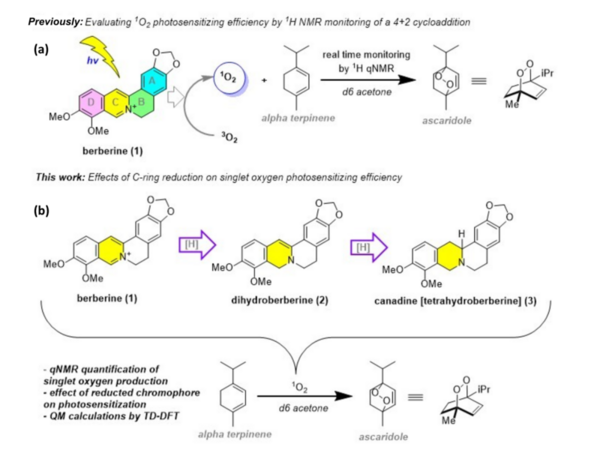
Berberine is a natural product isoquinoline alkaloid derived from plants of the genus Berberis. When exposed to photoirradiation, it produces singlet oxygen through photosensitization of triplet oxygen. Through qNMR analysis of 1H NMR spectra gathered through kinetic experiments, we were able to track the generation of a product between singlet oxygen and alpha terpinene, allowing us to quantitatively measure the photosensitizing properties of our scaffolds.
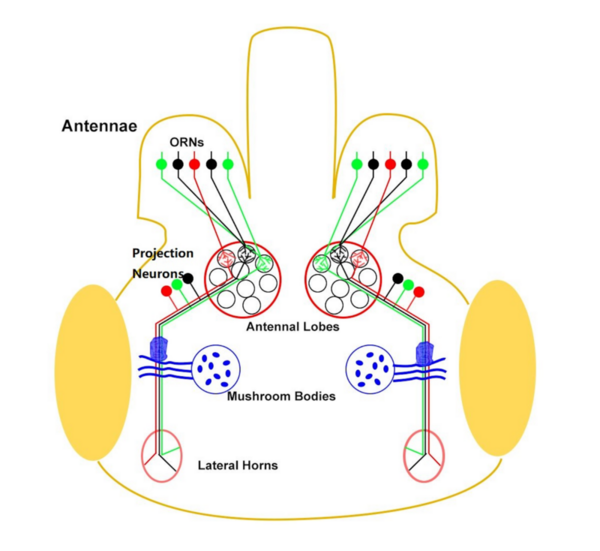
In this study, the authors investigate whether phototaxis and odortaxis in Drosophila melanogaster occurs through linear summation of cues including light and attractive odorants.
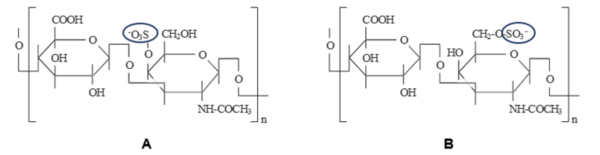
Heavy metal contamination from transportation can damage soil and vegetation by increasing oxidative stress, disrupting enzymes, and impairing photosynthesis. This study investigated whether chondroitin sulfate (CS) could reduce the harmful effects of contaminated roadside soil on plant growth by binding with metal ions.
Here, seeking to better understand how facial features provide important visual cues to help convey emotions, the authors evaluated the accuracy and reaction time of participants in regards to experimental photographs where a person's eyebrows were obscured and ones where they were not. Their findings revealed that removing eyebrows resulted in a significant decrease in a participant's ability to recognize anger, with adolescents most likely to misidentify emotions.
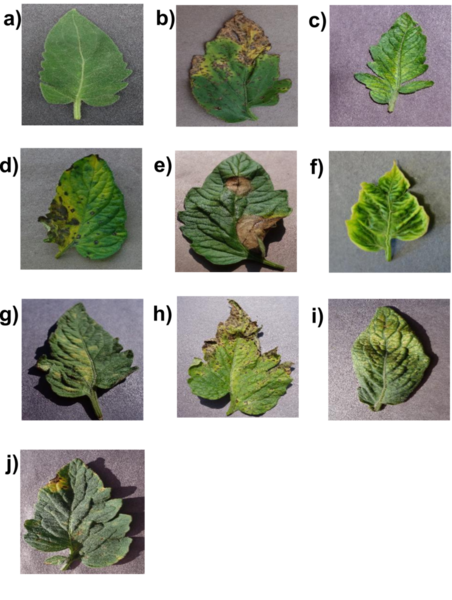
Plant diseases can cause up to 50% crop yield loss for the popular tomato plant. A mobile device-based method to identify diseases from photos of symptomatic leaves via computer vision can be more effective due to its convenience and accessibility. To enable a practical mobile solution, a “shallow” convolutional neural networks (CNNs) with few layers, and thus low computational requirement but with high accuracy similar to the deep CNNs is needed. In this work, we explored if such a model was possible.
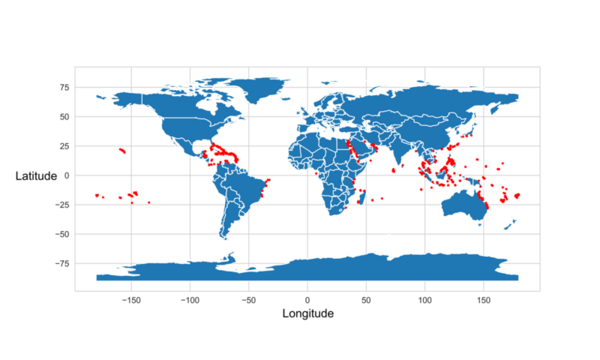
Coral bleaching is a fatal process that reduces coral diversity, leads to habitat loss for marine organisms, and is a symptom of climate change. This process occurs when corals expel their symbiotic dinoflagellates, algae that photosynthesize within coral tissue providing corals with glucose. Restoration efforts have attempted to repair damaged reefs; however, there are over 360,000 square miles of coral reefs worldwide, making it challenging to target conservation efforts. Thus, predicting the likelihood of bleaching in a certain region would make it easier to allocate resources for conservation efforts. We developed a machine learning model to predict global locations at risk for coral bleaching. Data obtained from the Biological and Chemical Oceanography Data Management Office consisted of various coral bleaching events and the parameters under which the bleaching occurred. Sea surface temperature, sea surface temperature anomalies, longitude, latitude, and coral depth below the surface were the features found to be most correlated to coral bleaching. Thirty-nine machine learning models were tested to determine which one most accurately used the parameters of interest to predict the percentage of corals that would be bleached. A random forest regressor model with an R-squared value of 0.25 and a root mean squared error value of 7.91 was determined to be the best model for predicting coral bleaching. In the end, the random model had a 96% accuracy in predicting the percentage of corals that would be bleached. This prediction system can make it easier for researchers and conservationists to identify coral bleaching hotspots and properly allocate resources to prevent or mitigate bleaching events.
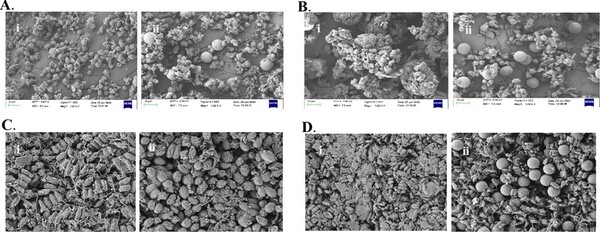
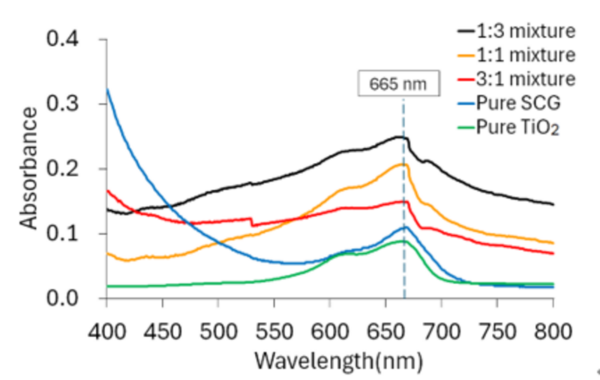
This paper looks at using spent coffee grounds as a partial substitute for titanium dioxide (TiO2) as a catalyst for chemical reactions. Using UV-Vis spectrophotometry, they found that adding the coffee grounds to TiO2 in a 3:1 ratio, there is still meaningful catalytic activity. This offers a cheaper solution than just using pure TiO2.
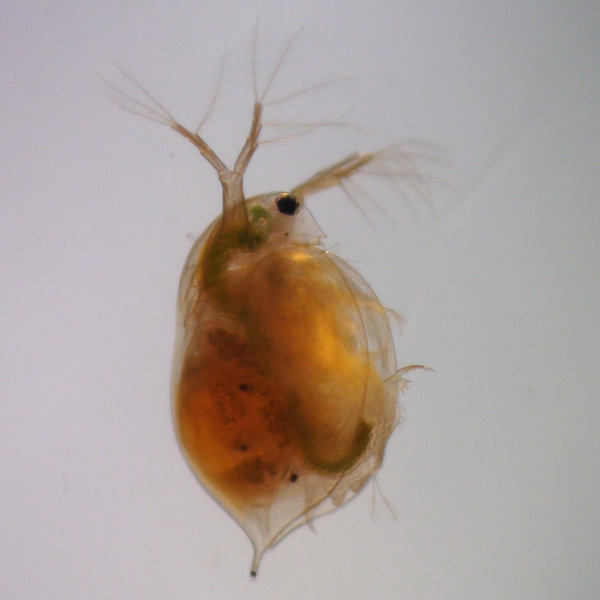
In this study, the authors investigate the effects that microplastics (which pollute fresh and saltwater ecosystems) have on plankton species Daphnia Magna by measuring their movement and viability.