Browse Articles

Sri Lankan Americans’ views on U.S. racial issues are influenced by pre-migrant ethnic prejudice and identity

Gunawardena et al. | Apr 18, 2022

Sri Lankan Americans’ views on U.S. racial issues are influenced by pre-migrant ethnic prejudice and identity

In this study, the authors examined how Sri Lankan Americans (SLAs) view racial issues in the U.S. The main hypothesis is that SLAs, as a minority in the U.S., are supportive of the Black Lives Matter movement and its political goal, challenging the common notion that SLAs are anti-Black. The study found that a majority of SLAs believe the U.S. has systemic racism, favor BLM, and favor affirmative action. IT also found that Tamil SLAs have more favorable views of BLM and affirmative action than Sinhalese SLAs.

Read More...

Sepia bandensis ink inhibits polymerase chain reactions

Novoselov et al. | Sep 21, 2020

<em>Sepia bandensis</em> ink inhibits polymerase chain reactions

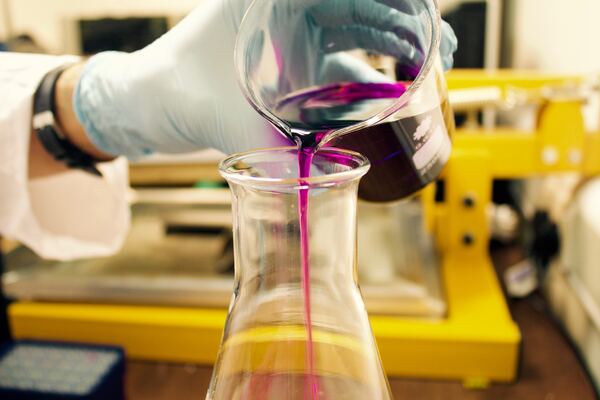
While cephalopods play significant roles in both ecosystems and medical research, there is currently no assembled genome. In an attempt to sequence the Sepia bandensis genome, it was found that there was inhibition from the organism during DNA extraction, resulting in PCR failure. In this study, researchers tested the hypothesis that S. bandensis ink inhibits PCR. They then assessed the impact of ink on multiple methods of DNA extraction

Read More...

Assessing the Efficacy of NOX Enzyme Inhibitors as Potential Treatments for Ischemic Stroke in silico

Vinay et al. | Sep 18, 2020

Assessing the Efficacy of NOX Enzyme Inhibitors as Potential Treatments for Ischemic Stroke <i>in silico</i>

Ischemic stroke occurs when blood flow to the brain is interrupted, causing brain damage. This study investigated the effectiveness of different NOX inhibitors as treatments for ischemic stroke in silico. The results help corroborate previous in vivo and in vitro studies in an in silico format, and can be used towards developing drugs to treat ischemic stroke.

Read More...

Improving Wound Healing by Breaking Down Biofilm Formation and Reducing Nosocomial Infections

DiStefano et al. | Jul 09, 2019

Improving Wound Healing by Breaking Down Biofilm Formation and Reducing Nosocomial Infections

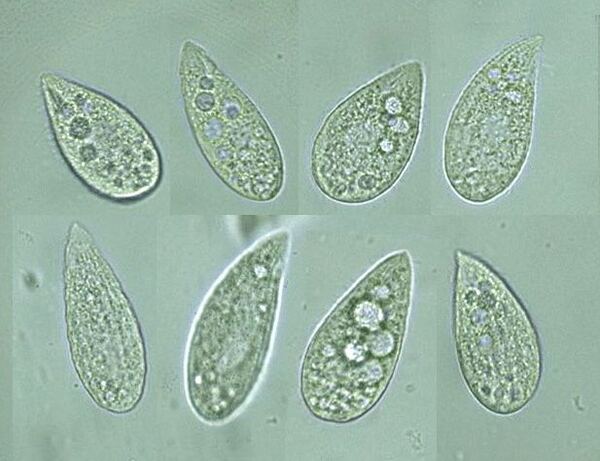
In a 10-year period in the early 2000’s, hospital-based (nosocomial) infections increased by 123%, and this number is increasing as time goes on. The purpose of this experiment was to use hyaluronic acid, silver nanoparticles, and a bacteriophage cocktail to create a hydrogel that promotes wound healing by increasing cell proliferation while simultaneously disrupting biofilm formation and breaking down Staphylococcus aureus and Pseudomonas aeruginosa, which are two strains of bacteria that attribute to nosocomial infections and are increasing in antibiotic resistance.

Read More...

Evaluating the performance of Q-learning-based AI in auctions

Liu et al. | Nov 09, 2025

Evaluating the performance of Q-learning-based AI in auctions
Image credit: Liu and Liu

Advertising platforms like Google Ads use AI to drive the algorithms used to maximize advertisers benefits. This study shows that AI does not adjust it strategy based on auction type and highlights the limitations of AI running without explicit guidance.

Read More...

Correlating inlet gas composition to conversion efficiency in plasma-assisted landfill gas reforming

Kim et al. | Jun 28, 2025

Correlating inlet gas composition to conversion efficiency in plasma-assisted landfill gas reforming

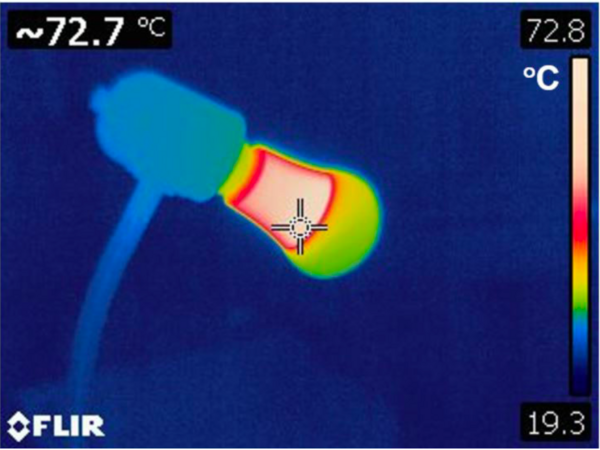
The escalating crisis of climate change, driven by the accumulation of greenhouse gases from human activities, demands urgent and innovative solutions to curb rising global temperatures. Plasma-based methane (CH4) and carbon dioxide (CO2) reforming offers a promising pathway for carbon capture and the sustainable production of hydrogen fuel and syngas components. To advance this technology, particularly in terms of energy efficiency and selectivity, it is essential to enhance the conversion efficiencies of CO2 and CH4.

Read More...