In this study, the authors conduct a survey of high school students to evaluate the effects of screen time and habits on motivation.
Read More...Examining the relationship between screen time and achievement motivation in an adolescent population
In this study, the authors conduct a survey of high school students to evaluate the effects of screen time and habits on motivation.
Read More...Friend or foe: Using DNA barcoding to identify arthropods found at home
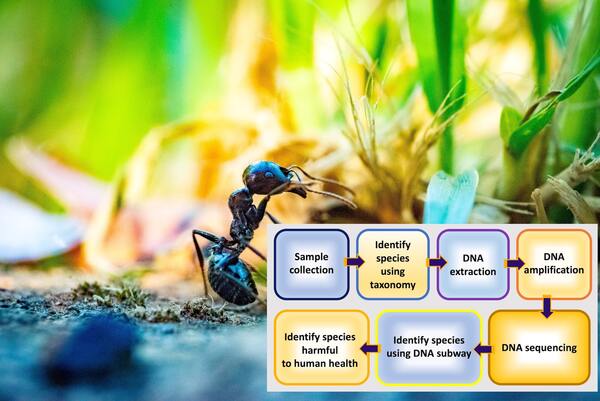
Here the authors used morphological characters and DNA barcoding to identify arthropods found within a residential house. With this method they identified their species and compared them against pests lists provided by the US government. They found that none of their identified species were considered to be pests providing evidence against the misconception that arthropods found at home are harmful to humans. They suggest that these methods could be used at larger scales to better understand and aid in mapping ecosystems.
Read More...The impact of Red 40 artificial food dye on the heart rate of Daphnia magna
.jpg)
In this study, potential physiological effects of Red 40 food dye, found in many different food products, are tested using Daphnia magna, a small freshwater crustacean.
Read More...Effects of an Informational Waste Management App on a User’s Waste Disposal Habits
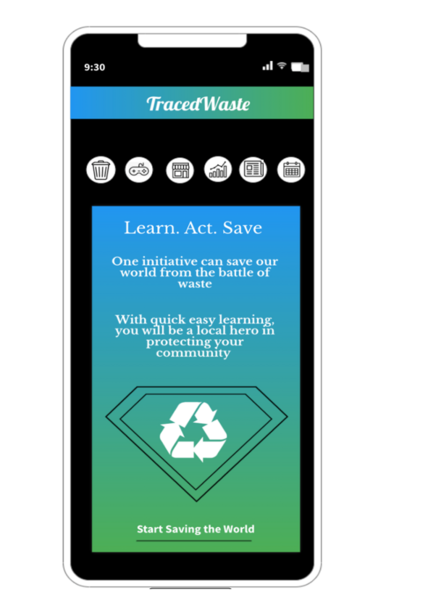
While 75% of waste in the United States is stated to be recyclable, only about 34% truly is. This project takes a stance to combat the pillars of mismanaged waste through a modern means of convenience: the TracedWaste app. The purpose of this study was to identify how individuals' waste disposal habits improved and knowledge increased (i.e. correctly disposing of waste, understanding negative incorrect waste disposal) due to their use of an informational waste management app as measured by a survey using a 1-5 Likert Scale. The results showed that the TracedWaste app helped conserve abundant resources such as energy and wood, decrease carbon emissions, and minimize financial toll all through reducing individual impact.
Read More...Repurposing citrus peel waste and its positive effects on our health and communities
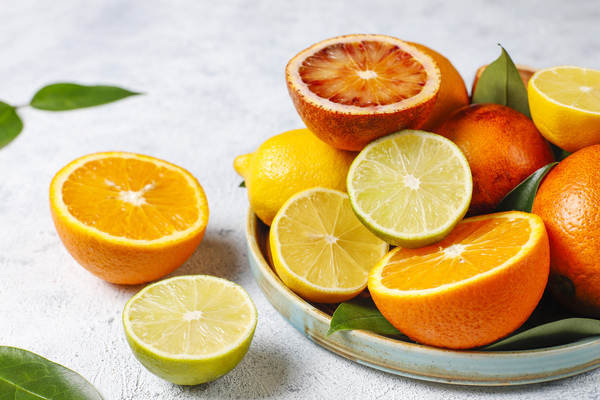
Every year, more than 30% of food products go to waste. This is approximately 1.3 billion tons of food, which is equivalent to 1.3 trillion U.S. dollars. While conventional solid waste treatments and fertilization of food waste are common, citrus fruit peels require secondary applications and advanced disposal management due to their low pH values and high antimicrobial characteristics. Since citrus fruits are well-known sources of vitamin C and antioxidants, we hypothesized that their peels also contain high amounts of vitamin C and antioxidants. In our study, five common citrus peels including grapefruit, lemon, lime, orange, and tangerine, were used to determine the amounts of vitamin C and total soluble antioxidants.
Read More...Evaluating stress-relieving methods of high school students
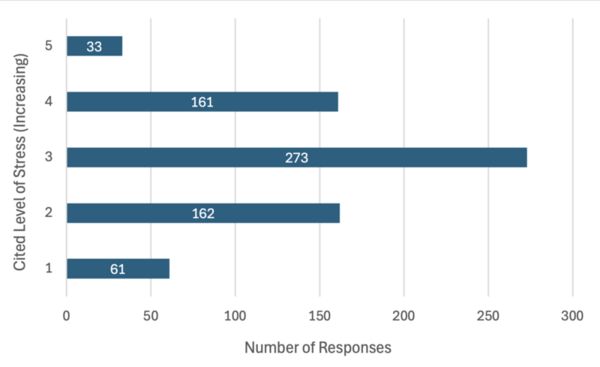
The authors evaluated the effectiveness of common stress-relief strategies used by high schoolers.
Read More...Early detection of student burnout using data science: a study of behavioral and psychological indicators
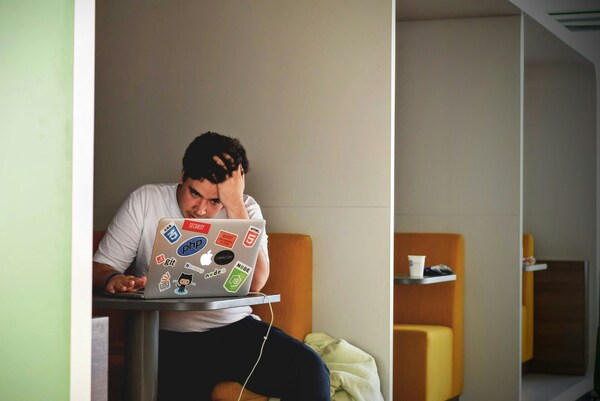
This study examined behavioral and psychological predictors of burnout among high school and university students in Pakistan using survey data and machine-learning models. Shorter sleep and greater mental fatigue—especially fatigue—were associated with higher burnout risk, while a Random Forest model successfully identified students at risk of burnout.
Read More...Eye color, visual acuity and photophobia: How eye color affects light sensitivity
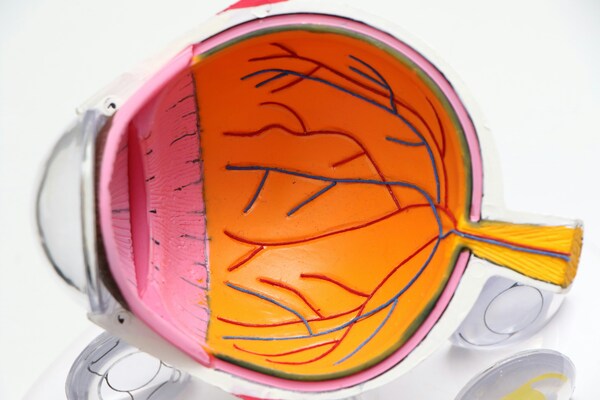
This study examined whether eye color affects photophobia and vision in elementary school students and staff, finding no significant relationship between eye color, light sensitivity, or visual acuity. However, photophobia was common across age groups, highlighting the need for greater awareness of light sensitivity in learning environments.
Read More...Antioxidative properties of Taiwanese high mountain tea infusions
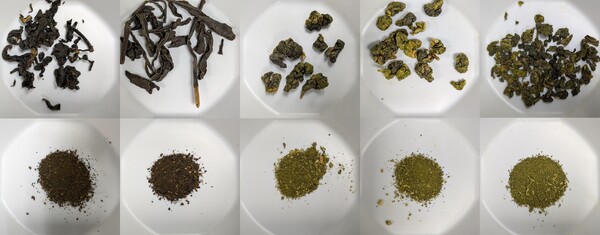
The authors test the antioxidant content of Taiwanese high mountain teas grown in or processed under differing conditions.
Read More...The impact of light pollution on astrophotography and visual astronomy in varying environments