Browse Articles

Comparing the Effectiveness of Popular Treatments for Swelling and Scarring

Benavides et al. | Jul 08, 2020

Comparing the Effectiveness of Popular Treatments for Swelling and Scarring

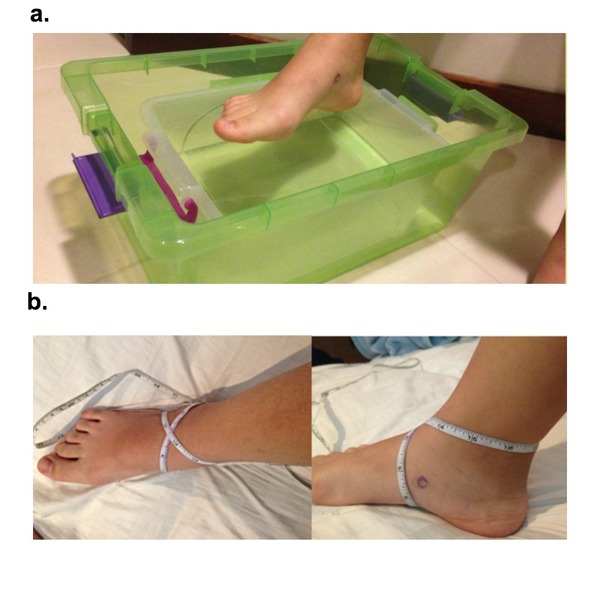
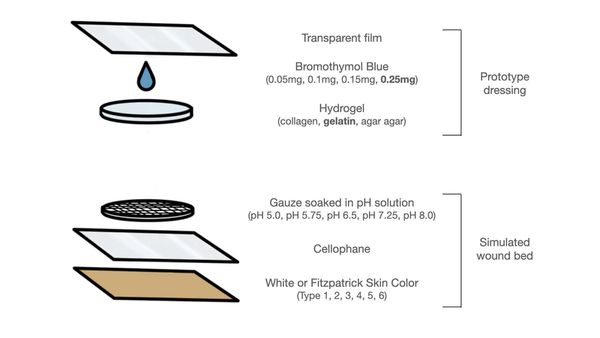
Numerous specialty treatments claim to reduce swelling and scarring; however, it is unknown if these treatments are more effective than less expensive treatments. In an attempt to determine if one outperforms the other, treatments were applied to the same subject following bilateral orthopedic foot surgery. No difference was found the specialty treatments compared to more cost-effective treatments.

Read More...

Determining the Effects of Fibroblast Growth Factor 2 on the Regenerative Abilities of Echinometra lucunter Sea Urchins

Kisling et al. | Feb 12, 2019

Determining the Effects of Fibroblast Growth Factor 2 on the Regenerative Abilities of Echinometra lucunter Sea Urchins

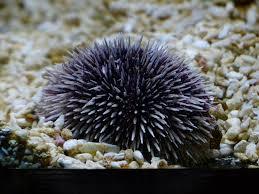
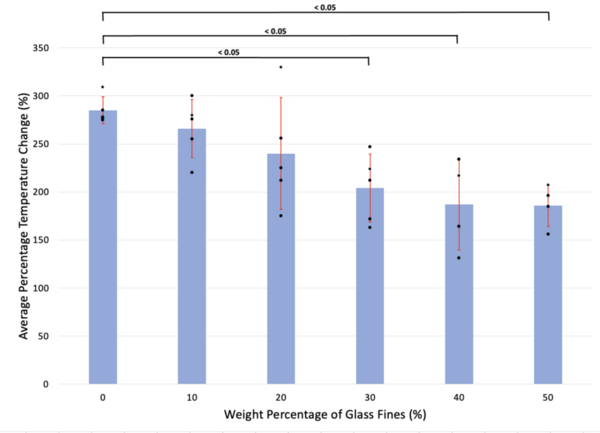
As humans, not all our body organs can adequately regenerate after injury, an ability that declines with age. In some species, however, regeneration is a hallmark response that can occur limitless numbers of time throughout the life of an organism. Understanding how such species can regenerate so efficiently is of central importance to regenerative medicine. Sea urchins, unlike humans, can regenerate their spinal tissue after injury. Here the authors study the effect of a growth factor, FGF2, on sea urchin regeneration but find no conclusive evidence for a pro-regenerative effect after spinal tissue injury.

Read More...
The Cilium- and Centrosome-Associated Protein CCDC11 Is Required for Cytokinesis via Midbody Recruitment of the ESCRT- III Membrane Scission Complex Subunit CHMP2A

Ahmed et al. | Mar 14, 2018

The Cilium- and Centrosome-Associated Protein CCDC11 Is Required for Cytokinesis via Midbody Recruitment of the ESCRT- III Membrane Scission Complex Subunit CHMP2A

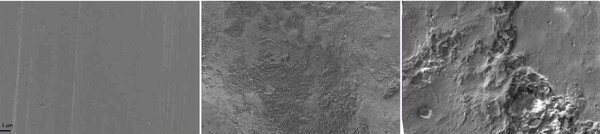
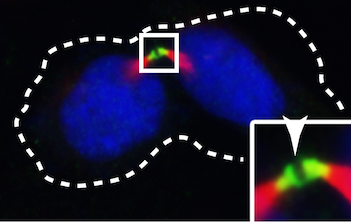
In order for cells to successfully multiply, a number of proteins are needed to correctly coordinate the replication and division process. In this study, students use fluorescence microscopy and molecular methods to study CCDC11, a protein critical in the formation of cilia. Interestingly, they uncover a new role for CCDC11, critical in the cell division across multiple human cell lines.

Read More...