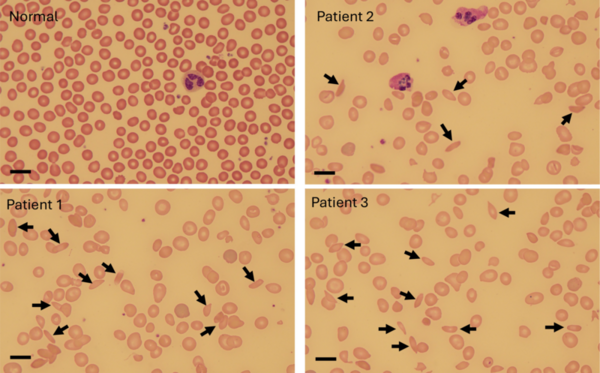
The authors use blood smears from individuals with sickle cell disease to correlate sickle cell frequency with the occurrence of vaso-occlusive crises.
Read More...Predicting sickle cell vaso-occlusion by microscopic imaging and modeling
The authors use blood smears from individuals with sickle cell disease to correlate sickle cell frequency with the occurrence of vaso-occlusive crises.
Read More...Stress-induced genetic memory inheritance and retention in Planarian biological model
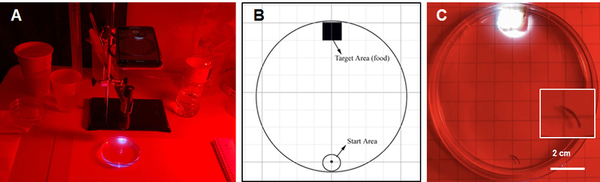
This study explored whether planaria, known for their regenerative abilities, can retain learned memories after regeneration and how stressors like alcohol affect memory.
Read More...Quantifying kitchen appliances’ phantom loads using a shifted gamma distribution model

In this article the authors look at phantom loads of common kitchen appliances and found that the appliances looked at have a phantom load of 10.9%. Understanding phantom loads is important as it can reduce energy grid usage and energy bill costs for homeowners.
Read More...Autologous transplantation of fresh ovarian tissue in the ICR mice model
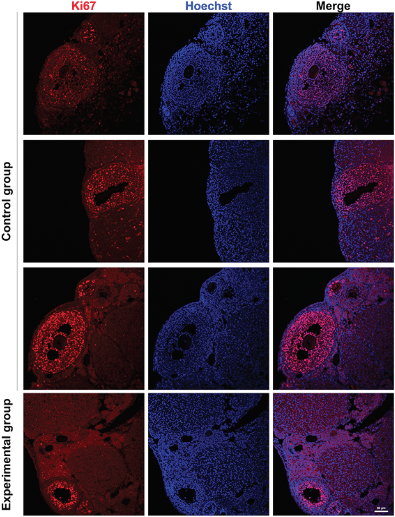
In this study, we performed orthotopic auto-transplantation of fresh ovarian tissues by transplanting unilateral half ovarian tissue to the contralateral ovary in the ICR (Institute of Cancer Research) strain of outbred, heterogeneous mice to determine if the transplanted tissue could be functional. We found that the freshly transplanted mouse ovarian tissue survived and functional, as histochemical and immunofluorescence assays have shown that not only both follicles at different developing stages and corpus luteum are available, but the morphology of them are properly maintained within the transplanted tissue.
Read More...RETRACTED: Effect of Curcumin on Motor Behaviors in Drosophila melanogaster PINK1 Mutant Parkinson’s Model
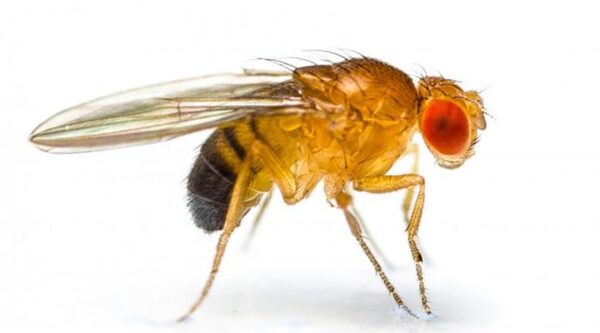
This manuscript was retracted on March 22, 2021 as it did not adhere to JEI's submission requirements with respect to author permissions. All authors on the manuscript agreed to its removal.
Read More...Evaluating Biomarkers and Treatments for Acute Kidney Injury in a Zebrafish Model
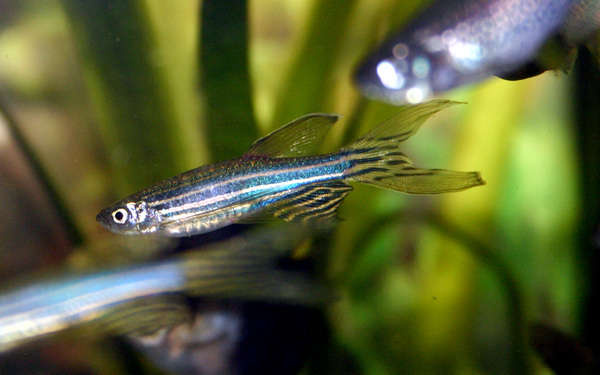
Coronary Artery Disease (CAD) is the leading cause of death in the United States, and 81% of Acute Kidney Injury (AKI) patients in the renal fibrosis stage later develop CAD. In this study, Mathew and Joykutty aimed to create a cost-effective strategy to treat AKI and thus prevent CAD using a model of the zebrafish, Danio rerio. They first tested whether AKI is induced in Danio rerio upon exposure to environmental toxins, then evaluated nitrotyrosine as an early biomarker for toxin-induced AKI. Finally, they evaluated 4 treatments of renal fibrosis, the last stage of AKI, and found that the compound SB431542 was the most effective treatment (reduced fibrosis by 99.97%). Their approach to treating AKI patients, and potentially prevent CAD, is economically feasible for translation into the clinic in both developing and developed countries.
Read More...Activated NF-κB Pathway in an Irf6-Deficient Mouse Model for Van der Woude Syndrome
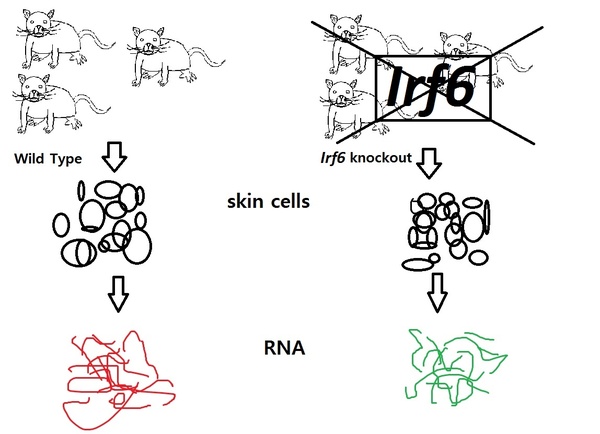
Van der Woude syndrome is a common birth defect caused by mutations in the gene Irf6. In this project, students used microarray expression analysis from wild-type and Irf6-deficient mice in order to identify gene networks or pathways differentially regulated due to the Irf6 mutation. They found NF-κB pathway to be activated in deficient mice.
Read More...Optimizing website performance: A comprehensive Google Lighthouse study on desktop and mobile modes
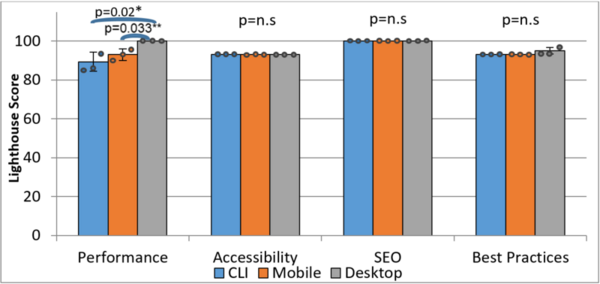
In this study, we examined the consistency and dependability of Google's Lighthouse tool for measuring website performance, accessibility, SEO, and best practices. Tests conducted on three websites showed that performance scores vary based on the testing mode and website complexity, while other audit categories stay constant. These results provide direction for researchers and developers by highlighting Lighthouse's benefits and drawbacks.
Read More...Quantifying right atrial dilation relative to atrial septal defect size using an experimental model
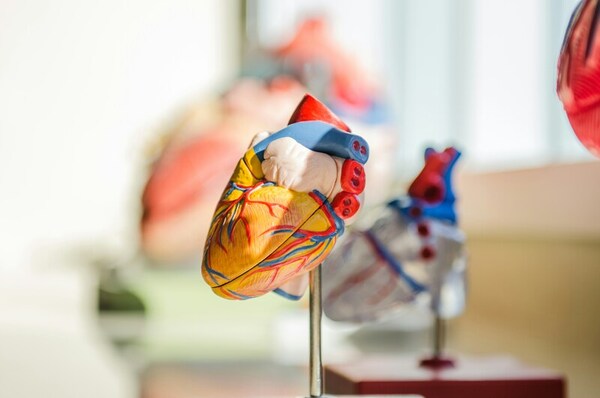
To address the limitations in predicting the severity of Atrial Septal Defect (ASD), here the authors utilized a fluid-filled chamber model to quantify the relationship between defect size and right atrial fluid output. The findings confirmed that larger ASD diameters result in a linear increase in fluid output, validating a cost-effective model that can improve clinical prognosis and treatment planning for heart failure risks.
Read More...An assessment of controllable etiological factors involved in neonatal seizure using a Monte Carlo model
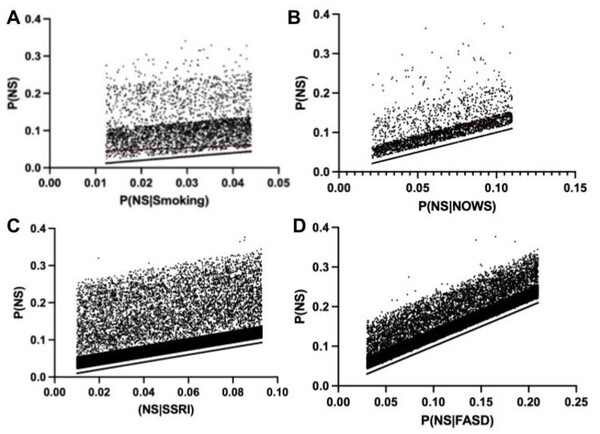
The authors used Monte Carlo simulations to assess the impacts of various factors on neonatal seizure risk.
Read More...