Browse Articles

The novel function of PMS2 mutation on ovarian cancer proliferation

Cho et al. | Dec 18, 2022

The novel function of <em>PMS2</em> mutation on ovarian cancer proliferation

With disruption of DNA repair pathways pertinent to the timeline of cancer, thorough evaluation of mutations relevant to DNA repair proteins is crucial within cancer research. One such mutation includes S815L PMS2 - a mutation that results in significant decrease of DNA repair function by PMS2 protein. While mutation of PMS2 is associated with significantly increased colorectal and endometrial cancer risk, much work is left to do to establish the functional effects of the S815L PMS2 mutation in ovarian cancer progression. In this article, researchers contribute to this essential area of research by uncovering the tumor-progressive effects of the S815L PMS2 mutation in the context of ovarian cancer cell lines.

Read More...

Methanotrophic bioremediation for the degradation of oceanic methane and chlorinated hydrocarbons

Lee et al. | Oct 08, 2021

Methanotrophic bioremediation for the degradation of oceanic methane and chlorinated hydrocarbons

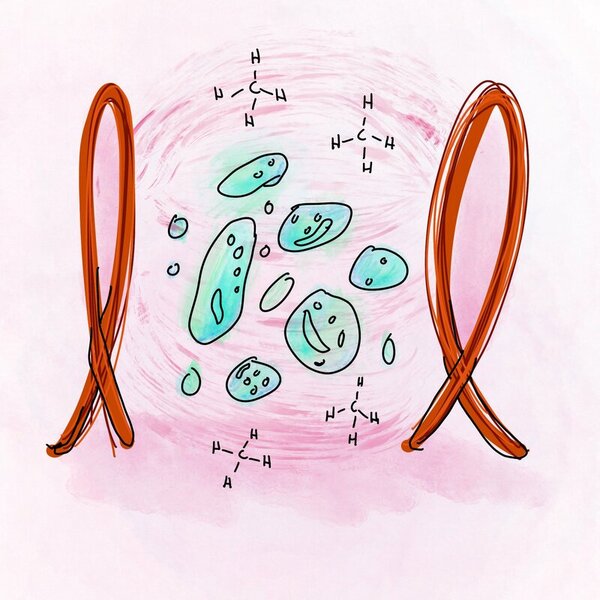
Seeking an approach to address the increasing levels of methane and chlorinated hydrocarbons that threaten the environment, the authors worked to develop a novel, low-cost biotrickling filter for use as an ex situ method tailored to marine environments. By using methanotrophic bacteria in the filter, they observed methane degradation, suggesting the feasibility of chlorinated hydrocarbon degradation.

Read More...

The presence of Wolbachia in Brood X cicadas

Hasan et al. | Oct 15, 2022

The presence of <em>Wolbachia</em> in Brood X cicadas

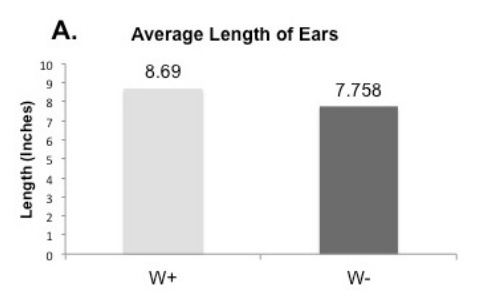
Here, seeking to understand a possible cause of the declining popluations of Brood X cicadas in Ohio and Indiana, the authors investigated the presence of Wolbachia, an inherited bacterial symbiont that lives in the reproductive cells of approximately 60% of insect species in these cicadas. Following their screening of one-hundred 17-year periodical cicadas, they only identified the presence of Wolbachia infection in less than 2%, suggesting that while Wolbachia can infect cicadas it appears uncommon in the Brood X cicadas they surveyed.

Read More...

Analyzing the relationships between years of experience and performance anxiety in teen volleyball players

Concha-Ortiz et al. | Aug 15, 2024

Analyzing the relationships between years of experience and performance anxiety in teen volleyball players
Image credit: The authors

Athletes with performance anxiety may struggle to play their best and enjoy the game. Various factors may impact how much anxiety an athlete feels, including how much experience they have in the sport. Concha-Ortiz and Navins survey teenage club volleyball players to look for relationships between years of experience and performance anxiety symptoms.

Read More...

An exploration of western mosquitofish as the animal component in an aquaponic farming system

Medina et al. | Dec 03, 2024

An exploration of western mosquitofish as the animal component in an aquaponic farming system
Image credit: The authors

Aquaponics (the combination of aquatic plant farming with fish production) is an innovative farming practice, but the fish that are typically used, like tilapia, are expensive and space-consuming to cultivate. Medina and Alvarez explore other options test if mosquitofish are a viable option in the aquaponic cultivation of herbs and microgreens.

Read More...

COVID 19 and the perceived impacts on adolescents’ and young adults’ mental health: A quantitative survey

Kumar et al. | Jul 31, 2023

COVID 19 and the perceived impacts on adolescents’ and young adults’ mental health: A quantitative survey
Image credit: Nick Fewings

Here, recognizing the effects of the COVID-19 pandemic on young peoples' mental health and wellbeing the authors used an online survey which included the short General Health Questionnaire (GHQ-12) to probe 102 young adults. Overall they found that young adults perceived the pandemic to be detrimental to many areas of their wellbeing, with females and those aged 18-19 and 22-23 reporting to be the most significantly impacted.

Read More...