Browse Articles

Hybrid Quantum-Classical Generative Adversarial Network for synthesizing chemically feasible molecules

Sikdar et al. | Jan 10, 2023

Hybrid Quantum-Classical Generative Adversarial Network for synthesizing chemically feasible molecules

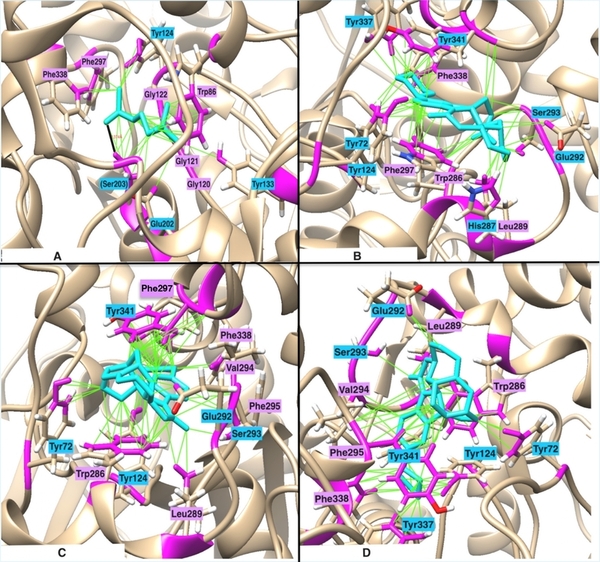
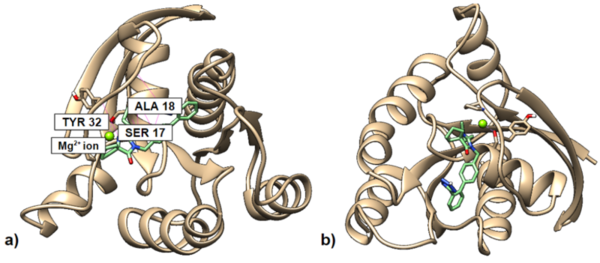
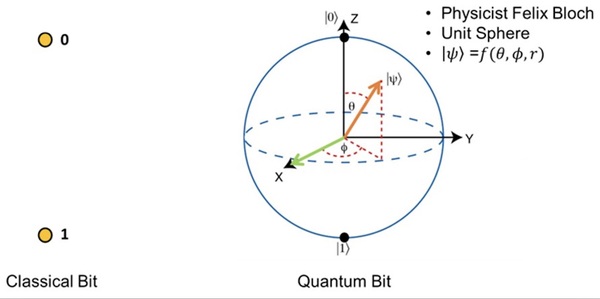
Current drug discovery processes can cost billions of dollars and usually take five to ten years. People have been researching and implementing various computational approaches to search for molecules and compounds from the chemical space, which can be on the order of 1060 molecules. One solution involves deep generative models, which are artificial intelligence models that learn from nonlinear data by modeling the probability distribution of chemical structures and creating similar data points from the trends it identifies. Aiming for faster runtime and greater robustness when analyzing high-dimensional data, we designed and implemented a Hybrid Quantum-Classical Generative Adversarial Network (QGAN) to synthesize molecules.

Read More...

Effect of Manuka Honey and Licorice Root Extract on the Growth of Porphyromonas gingivalis: An In Vitro Study

Chandran et al. | Apr 11, 2018

Effect of Manuka Honey and Licorice Root Extract on the Growth of Porphyromonas gingivalis: An In Vitro Study

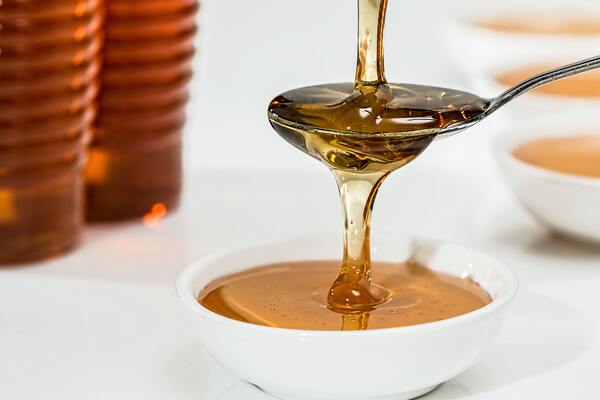
Chronic bad breath, or halitosis, is a problem faced by nearly 50% of the general poluation, but existing treatments such as liquid mouthwash or sugar-free gum are imperfect and temporary solutions. In this study, the authors investigate potential alternative treatments using natural ingredients such as Manuka Honey and Licorice root extract. They found that Manuka honey is almost as effective as commercial mouthwashes in reducing the growth of P gingivalis (one of the main bacteria that causes bad breath), while Licorice root extract was largely ineffective. The authors' results suggest that Manuka honey is a promising candidate in the search for new and improved halitosis treatments.

Read More...

Development of Two New Efficient Means of Wastewater Treatment

Bao et al. | Feb 06, 2014

Development of Two New Efficient Means of Wastewater Treatment

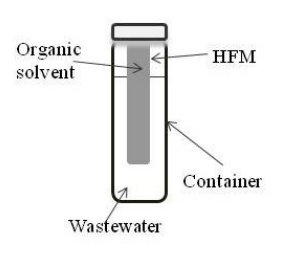
The water we use must be treated and cleaned before we release it back into the environment. Here, the authors investigate two new techniques for purifying dissolved impurities from waste water. Their findings may give rise to more cheaper and more efficient water treatment and help keep the planet greener.

Read More...

Effect of hypervitaminosis A in regenerating planaria: A potential model for teratogenicity testing

Bennet et al. | Dec 12, 2022

Effect of hypervitaminosis A in regenerating planaria: A potential model for teratogenicity testing

This unique research study evaluated the potential use of the flatworm, brown planaria (Dugesia tigrine), as an alternative model for teratogenicity testing. In this study, we exposed amputated planaria to varying concentrations of a known teratogen, vitamin A (retinol), for approximately 2 weeks, and evaluated multiple parameters including the formation of blastema and eyes. The results from this study demonstrated that high concentrations of retinol caused defects in head and eye formation in regenerating planaria, with similarities to vitamin A related teratogenicity findings in mammals. Based on these results, regenerating brown planaria are a promising alternative model for teratogenicity testing, which can potentially be paradigm shifting as it can reduce cost, time, and pregnant animal use in research.

Read More...