Browse Articles

Two Wrongs Could Make a Right: Food Waste Compost Accelerated Polystyrene Consumption of Tenebrio molitor

Fu et al. | Jul 13, 2020

Two Wrongs Could Make a Right: Food Waste Compost Accelerated Polystyrene Consumption of <em>Tenebrio molitor</em>

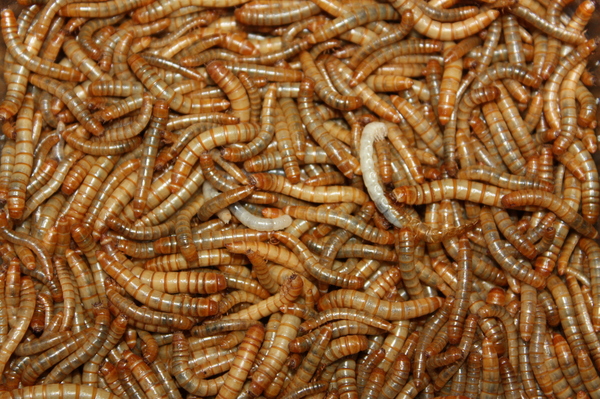
Expanded polystyrene (EPS) is a plastic used to make food containers and packing materials that poses a threat to the environment. Mealworms can degrade EPS, but at a slow rate. Here, researchers assessed the impact of food waste compost and oats on the speed of EPS consumption by mealworms, superworms, and waxworms. A positive correlation was found between food waste compost supplementation and EPS consumption, especially by mealworms, indicating a potential industrial application.

Read More...
Development of novel biodegradable bioplastics for packaging film using mango peels

Wang et al. | Apr 06, 2025

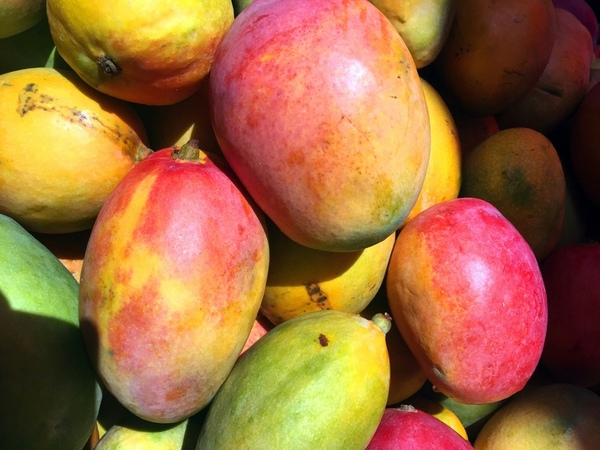
Development of novel biodegradable bioplastics for packaging film using mango peels
Image credit: JACQUELINE BRANDWAYN

Here the authors explored the development of biodegradable bioplastic films derived from mango peels as a sustainable solution to plastic pollution and greenhouse gas emissions from fruit waste. They optimized the film's mechanical properties and water resistance through adjusting processing conditions and incorporating plasticizers and a hydrophobic coating, ultimately demonstrating its potential as a bacteriostatic and biodegradable alternative to conventional plastic food wrap.

Read More...

A Quantitative Analysis of the Proliferation of Microplastics in Williamston’s Waterways

Schafer et al. | Feb 17, 2019

A Quantitative Analysis of the Proliferation of Microplastics in Williamston’s Waterways

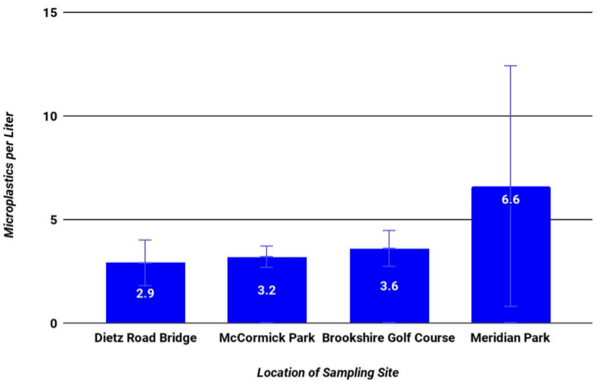
Plastic debris can disrupt marine ecosystems, spread contaminants, and take years to naturally degrade. In this study, Wu et al aim to establish an understanding of the scope of Williamston, Michigan’s microplastics problem, as well as to attempt to find the source of these plastics. Initially, the authors hypothesize that the Williamston Wastewater Treatment Plant was the primary contributor to Williamston’s microplastics pollution. Although they find a general trend of increasing concentrations of microplastics from upstream to downstream, they do not pinpoint the source of Williamston’s microplastics pollution in the present research.

Read More...

A Taste of Sweetness in Bioplastics

Tsai et al. | Apr 05, 2019

A Taste of Sweetness in Bioplastics

Sweet potatoes are one of the most common starches in Taiwan, and sweet potato peels hold significant potential to make biodegradable plastics which can alleviate the environmental impact of conventional petroleum-based plastics. In this paper, Tsai et al created starch-based bioplastics derived from sweet potato peels and manipulated the amount of added glycerol to alter the plastic’s strength and flexibility properties. Their results indicated that higher concentrations of glycerol yield more malleable plastics, providing insights into how recycled agricultural waste material might be used to slow down the rate of pollution caused by widespread production of conventional plastics.

Read More...

Enhancing marine debris identification with convolutional neural networks

Wahlig et al. | Apr 03, 2024

Enhancing marine debris identification with convolutional neural networks
Image credit: The authors

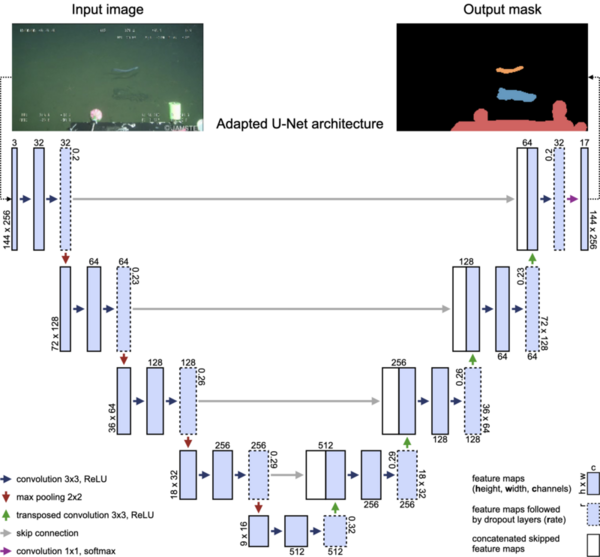
Plastic pollution in the ocean is a major global concern. Remotely Operated Vehicles (ROVs) have promise for removing debris from the ocean, but more research is needed to achieve full effectiveness of the ROV technology. Wahlig and Gonzales tackle this issue by developing a deep learning model to distinguish trash from the environment in ROV images.

Read More...

The Effect of Various Preparation Methods on the Spoilage Rate of Roma Tomatoes (Solanum lycopersicum)

Cataltepe et al. | Feb 22, 2018

The Effect of Various Preparation Methods on the Spoilage Rate of Roma Tomatoes (Solanum lycopersicum)

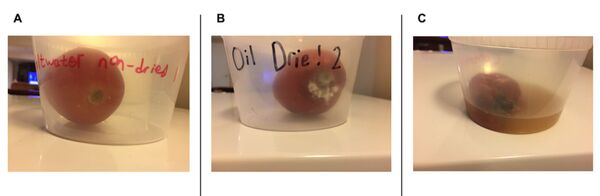
As levels of food waste continue to rise, it is essential to find improved techniques of prolonging the shelf life of produce. The authors aimed to find a simple, yet effective, method of slowing down spoilage in tomatoes. Linear regression analysis revealed that the tomatoes soaked salt water and not dried displayed the lowest correlation between time and spoilage, confirming that this preparation was the most effective.

Read More...

Mitigating microplastic exposure from water consumption in junior high students and teachers

Chow et al. | May 10, 2024

Mitigating microplastic exposure from water consumption in junior high students and teachers
Image credit: Pixabay

Microplastics (MPs) are inorganic material that have been observed within items destined for human consumption, including water, and may pose a potential health hazard. Here we estimated the average amount of MPs junior high students and teachers consumed from different water sources and determined whether promoting awareness of microplastic (MP) exposure influenced choice of water source and potential MPs consumed.

Read More...

Harvesting Atmospheric Water

Greenwald et al. | Jul 10, 2020

Harvesting Atmospheric Water

The objective of this project was to test various materials to determine which ones collect the most atmospheric water when exposed to the same environmental factors. The experiment observed the effect of weather conditions, a material’s surface area and hydrophilicity on atmospheric water collection. The initial hypothesis was that hydrophobic materials with the greatest surface area would collect the most water. The materials were placed in the same outside location each night for twelve trials. The following day, the materials were weighed to see how much water each had collected. On average, ribbed plastic collected 10.8 mL of water per trial, which was over 20% more than any other material. This result partially supported the hypothesis because although hydrophobic materials collected more water, surface area did not have a significant effect on water collection.

Read More...