Browse Articles

The Effects of Altered Microbiome on Caenorhabditis elegans Egg Laying Behavior

Gohari et al. | Aug 12, 2019

The Effects of Altered Microbiome on <em>Caenorhabditis elegans</em> Egg Laying Behavior

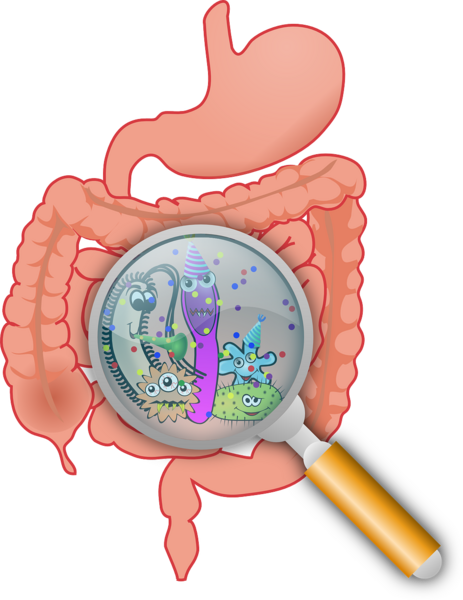
Since the discovery that thousands of different bacteria colonize our gut, many of which are important for human wellbeing, understanding the significance of balancing the different species on the human body has been intensely researched. Untangling the complexity of the gut microbiome and establishing the effect of the various strains on human health is a challenge in many circumstances, and the need for simpler systems to improve our basic understanding of microbe-host interactions seems necessary. C. elegans are a well-established laboratory animal that feed on bacteria and can thus serve as a less complex system for studying microbe-host interactions. Here the authors investigate how the choice of bacterial diet affects worm fertility. The same approach could be applied to many different outcomes, and facilitate our understanding of how the microbes colonizing our guts affect various bodily functions.

Read More...

Paralyzing effects of CO2 and hypothermia on Madagascar hissing and dubia cockroaches

Gapon et al. | Dec 08, 2024

Paralyzing effects of CO<sub>2</sub> and hypothermia on Madagascar hissing and dubia cockroaches
Image credit: Jesper Aggergaard

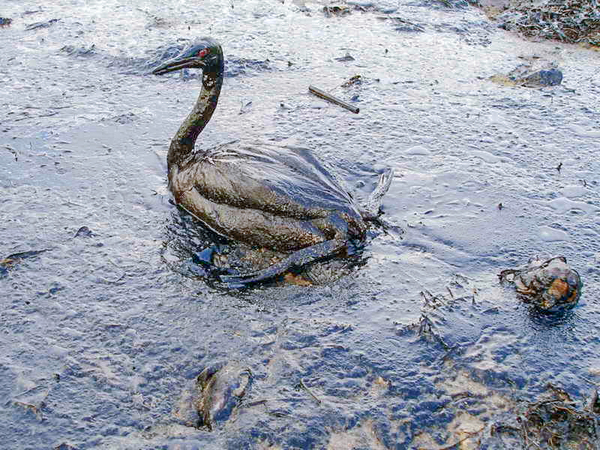
Here the authors sought to find a more ethical and efficient way to temporary paralyze a cockroach by comparing the results of two methods. By comparing immobilization through immersion in cold water and exposure to a 100 % CO2 environment, they found that cockroaches could be immobilized and recovered significantly faster when exposed to CO2.

Read More...

Deep learning for pulsar detection: Investigating hyperparameter effects on TensorFlow classification accuracy

Upadhyay et al. | Jan 31, 2026

Deep learning for pulsar detection: Investigating hyperparameter effects on TensorFlow classification accuracy

This study investigates how the hyperparameters epochs and batch size affect the classification accuracy of a convolutional neural network (CNN) trained on pulsar candidate data. Our results reveal that accuracy improves with increasing number of epochs and smaller batch sizes, suggesting that with optimized hyperparameters, high accuracy may be achievable with minimal training. These findings offer insights that could help create more efficient machine learning classification models for pulsar signal detection, with the potential of accelerating pulsar discovery and advancing astrophysical research.

Read More...

A study of Syrian students' migration motivations, destinations, and return intentions in a time of crisis

Merjaneh et al. | Apr 16, 2026

A study of Syrian students' migration motivations, destinations, and return intentions in a time of crisis
Image credit: Aaron Burden, 2017

This study investigates the migration intentions of Syrian high school and university students amid ongoing conflict and economic instability. Drawing on survey data, the research examines how academic stage influences migration motivations, preferred destinations, and return intentions. The findings reveal a widespread desire to emigrate, driven by educational, economic, and security concerns, highlighting significant implications for Syria’s future workforce and post-conflict recovery.

Read More...

Low female employment rates in South Korea are linked to the gender-specific burden of childrearing

Lee et al. | Aug 07, 2024

Low female employment rates in South Korea are linked to the gender-specific burden of childrearing
Image credit: Karolina Kaboompics

Female employment rates in South Korea are far below those of other countries that are members of the Organization for Economic Co-operation and Development. We assessed job satisfaction, job retention, and the underlying factors that impact these variables for both genders and various ages through a survey. Among 291 adult participants (161 women, 130 men) aged 20 to 59, working in various fields, 95% of responders were college graduates. These results suggest that even highly educated women feel more pressure from an innate sense of responsibility and societal perception to care for children than men.

Read More...

Tomato disease identification with shallow convolutional neural networks

Trinh et al. | Mar 03, 2023

Tomato disease identification with shallow convolutional neural networks

Plant diseases can cause up to 50% crop yield loss for the popular tomato plant. A mobile device-based method to identify diseases from photos of symptomatic leaves via computer vision can be more effective due to its convenience and accessibility. To enable a practical mobile solution, a “shallow” convolutional neural networks (CNNs) with few layers, and thus low computational requirement but with high accuracy similar to the deep CNNs is needed. In this work, we explored if such a model was possible.

Read More...