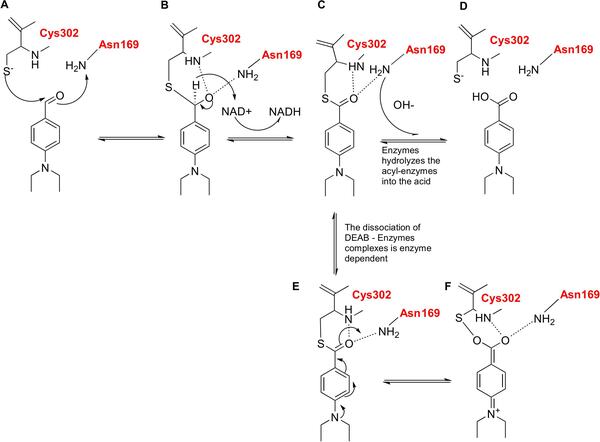
The authors computationally screened potential ALDH1 inhibitors, for use as potential cancer therapeutics.
Read More...In silico screening of DEAB analogues as ALDH1 isoenzymes inhibitors in cancer treatment
The authors computationally screened potential ALDH1 inhibitors, for use as potential cancer therapeutics.
Read More...From trash to treasure: A sustainable approach to oil spill clean-up
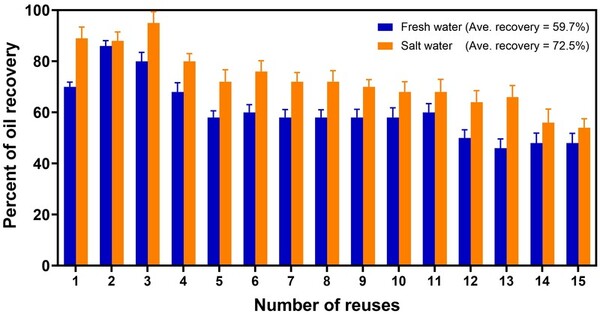
In this study the authors looked at sustainable ways to clean up oil spills that harm marine life. Using water spangle leaves and milk week the authors looked at the ability to recovery oil from both fresh and salt water and the ability to reuse the organic material to clean up spills. Their results show promise to help find a sustainable, eco-friendly way to clean up oil spills and protect marine life and habitats.
Read More...Understanding the Mechanism of Star-Block Copolymers as Nanoreactors for Synthesis of Well-Defined Silver Nanoparticles
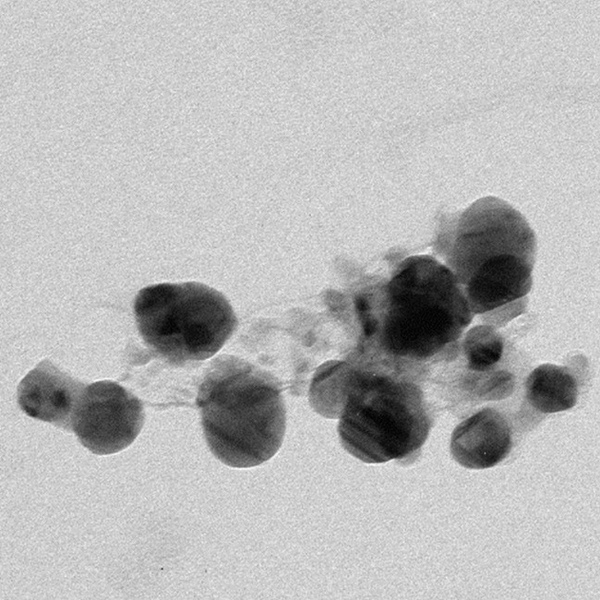
Here, the authors characterize how silver ions nucleate a star-block copolymer to generate nano-sized silver particles.
Read More...Changing the surface properties of the backside of a silicon wafer to repel oil and prevent particle binding
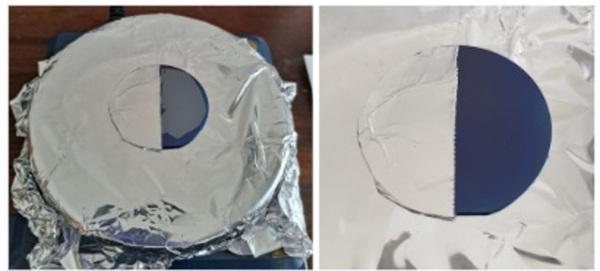
Wafers, essential in microchip production, can develop issues like leveling problems and wafer slip due to the formation of silanol bonds on their backside, which attract silica particles and oil. Authors tested addressing this issue with a coating of [acetoxy(polyethyleneoxy)propyl]triethoxysilane (APTS) applied to the wafer’s backside, preventing particle binding and oil adherence.
Read More...Performance comparison of indoor polyculture utilizing hydroponic and soil-based systems
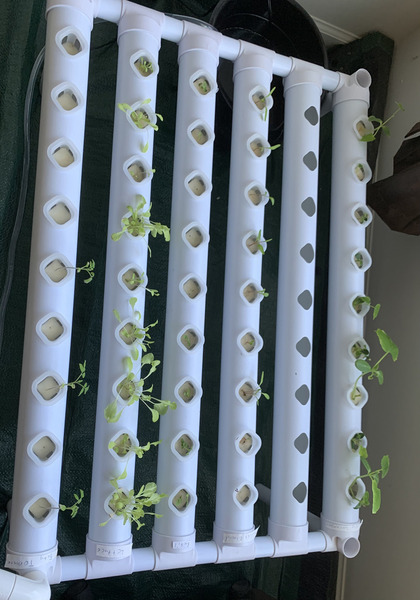
Hydroponics is often promoted as a highly efficient alternative to traditional soil farming, but its effectiveness in small indoor polyculture systems is not well understood. In this study, students compared plant growth and maturity across hydroponic and soil-based indoor polycultures and found that soil grown plants were generally taller and more mature than those grown hydroponically. These results suggest that soil-based methods may outperform hydroponics in certain household polyculture settings.
Read More...Efficient synthesis of superabsorbent beads using photopolymerization with a low-cost method
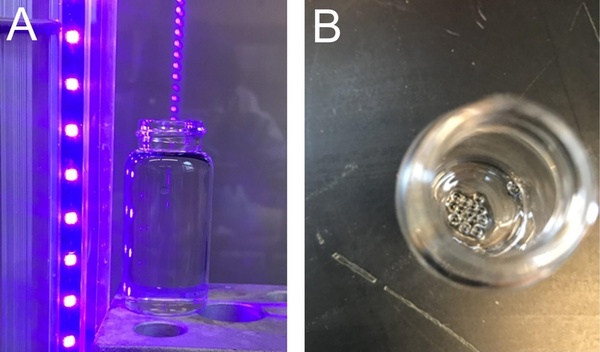
Superabsorbent beads are remarkable, used throughout our daily lives for various practical applications. These beads, as suggested by their name, possess a unique ability to absorb and retain large quantities of liquids. This characteristic of absorbency makes them essential throughout the medical field, agriculture, and other critical industries as well as in everyday products. To create these beads, the process of photopolymerization is fast growing in favor with distinct advantages of cost efficiency, speed, energy efficiency, and mindfulness towards the environment. In this article, researchers explore the pairing of cheap monomers with accessible equipment for creation of superabsorbent beads via the photopolymerization process. This research substantially demonstrates the successful application of photopolymerization in producing highly absorbent beads in a low-cost context, thereby expanding the accessibility of this process for creating superabsorbent beads in both research and practical applications.
Read More...A Scientific Investigation of Alternative Growing Methods to Cultivate Lactuca sativa
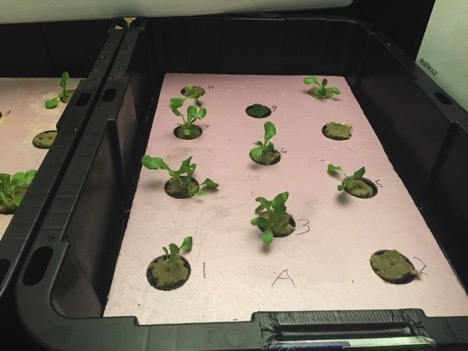
In this article, the authors compare different resource-efficient farming methods for the vegetable Lactuca sativa. They compared hydroponics (solid growth medium with added nutrients) to aquaponics (water with fish waste to provide nutrients) and determined efficacy by measuring plant height over time. While both systems supported plant growth, the authors concluded that aquaponics was the superior method for supporting Lactuca sativa growth. These findings are of great relevance as we continue to find the most sustainable and efficient means for farming.
Read More...