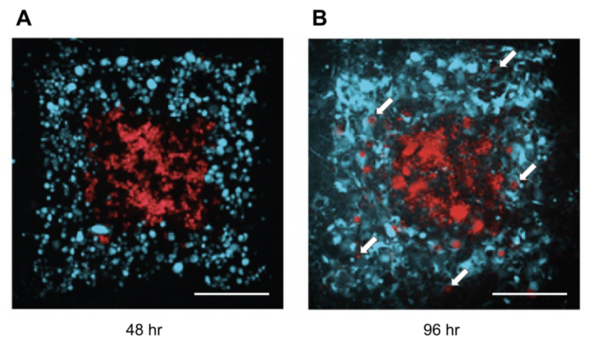
The authors looked at how a 3D bioprinter could be used to model the blood brain barrier.
Read More...A novel in vitro blood-brain barrier model using 3D bioprinter: A pilot study
The authors looked at how a 3D bioprinter could be used to model the blood brain barrier.
Read More...Diagnosis and treatment delay in patients with OCD in the United States over the past three decades
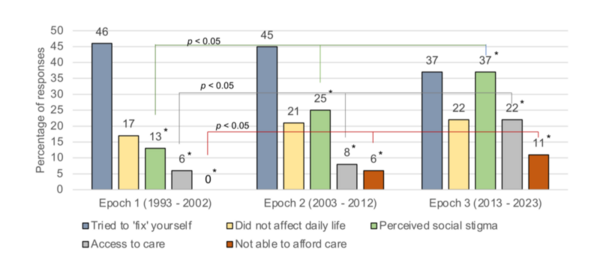
Obsessive-compulsive disorder (OCD) can cause significant impairment, and studies indicate that delays in diagnosis and treatment lead to worse outcomes. This study aimed to assess whether these delays have improved over the past three decades and to identify their causes.
Read More...Differences in postoperative satisfaction between orthopedic and cosmetic patients

In this study, the authors investigate differences in psychological outcomes from patients who undergo different surgical procedures.
Read More...Discovery of novel targets for diffuse large B-cell lymphoma
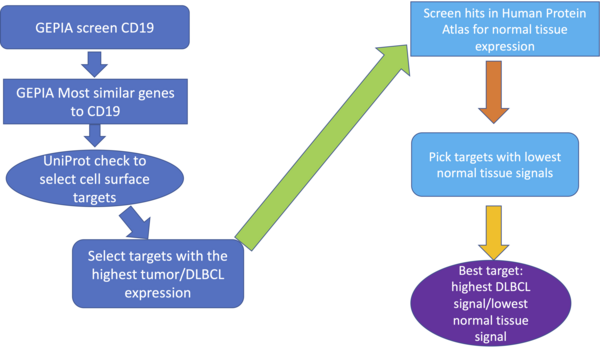
In this study, the authors identify new potential targets to treat advanced diffuse large B-cell lymphoma after treatment relapse and loss of CD19 expression.
Read More...Do Attractants Bias the Results of Malaise Trap Research?

Malaise traps are commonly used to collect flying insects for a variety of research. In this study, researchers hypothesized the attractants used in these traps may create bias in insect studies that could lead to misinterpreted data. To test this hypothesis two different kinds of attractant were used in malaise traps, and insect diversity was assessed. Attractants were found to alter the dispersion of insects caught in traps. These findings can inform future malaise traps studies on insect diversity.
Read More...Investigating Lymphocytic Involvement in Minimal Change Nephrotic Syndrome
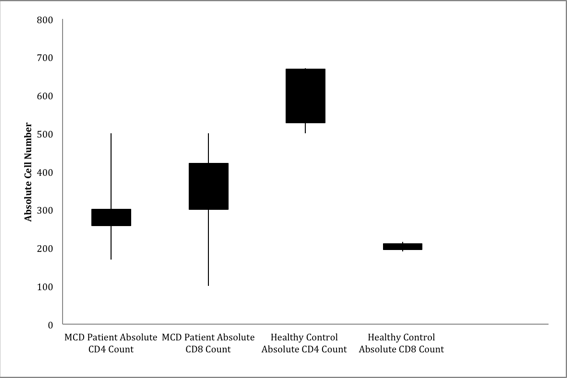
Minimal Change Disease (MCD) is a degenerative kidney disease. Researchers know very little about the cause of this disorder, however some research has suggested that T lymphocytes may be involved. In this study, the authors measure CD4 and CD8 T cell subpopulations in patients with MCD to investigate whether irregular T lymphocyte populations may be involved in MCD pathogenesis.
Read More...Functionalized graphene oxide nanoparticles for improved saltwater treatment
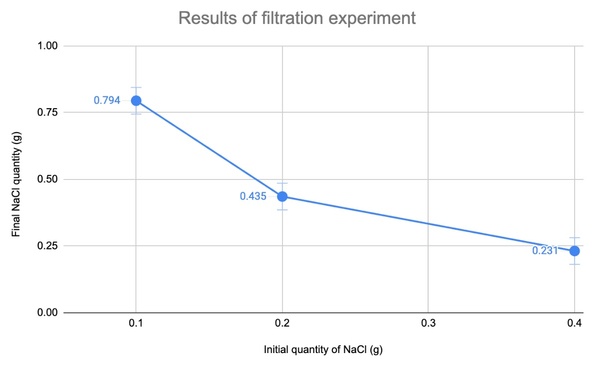
The authors investigated the efficacy of functionalized graphene oxide nanoparticles for turning saltwater to freshwater.
Read More...The effect of natural phenolic compounds on reducing oxidative stress
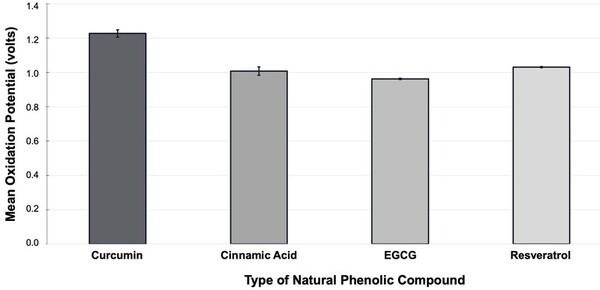
The authors looked at the potential of different phenolic compounds to reduce oxidative stress (i.e., act as antioxidants).
Read More...C reactive protein and risk of neurological deficits and disability in patients with acute ischemic stroke
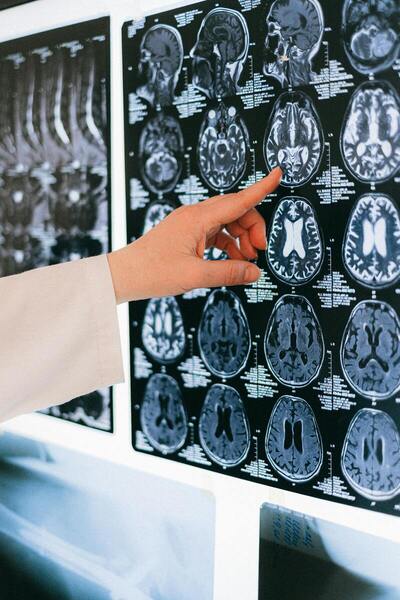
The authors looked at the correlation between C reactive protein levels and neurological deficits in patients who had suffered an ischemic stroke.
Read More...High-performance liquid chromatography insight in pH-dependent hydrolysis of andrographolide acetonide
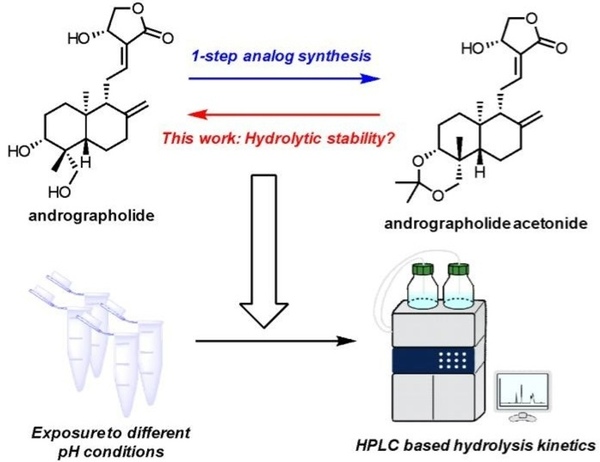
Andrographolide, a natural compound with anti-inflammatory, antidepressant, and anti-cancer properties, can be chemically modified by adding an acetonide group to form andrographolide acetonide, which is more potent and acts as a pH-dependent prodrug. Researchers investigated the hydrolysis of this acetonide group under mildly acidic conditions.
Read More...