Browse Articles

The effect of molecular weights of chitosan on the synthesis and antifungal effect of copper chitosan

Byakod et al. | Apr 07, 2024

The effect of molecular weights of chitosan on the synthesis and antifungal effect of copper chitosan

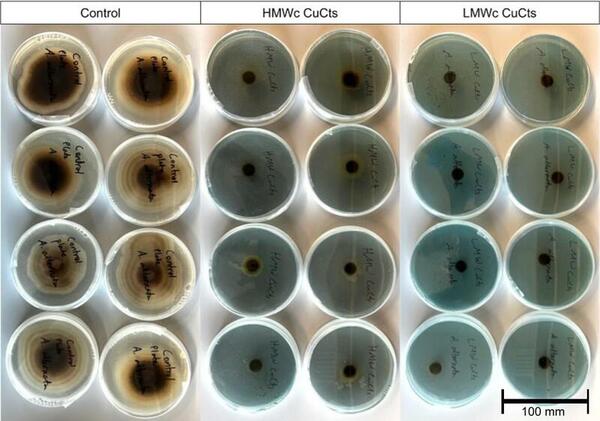
Pathogenic fungi such as Alternaria alternata (A. alternata) can decimate crop yields and severely limit food supplies when left untreated. Copper chitosan (CuCts) is a promising alternative fungicide for developing agricultural areas due to being inexpensive and nontoxic. We hypothesized that LMWc CuCts would exhibit greater fungal inhibition due to the beneficial properties of LMWc.

Read More...
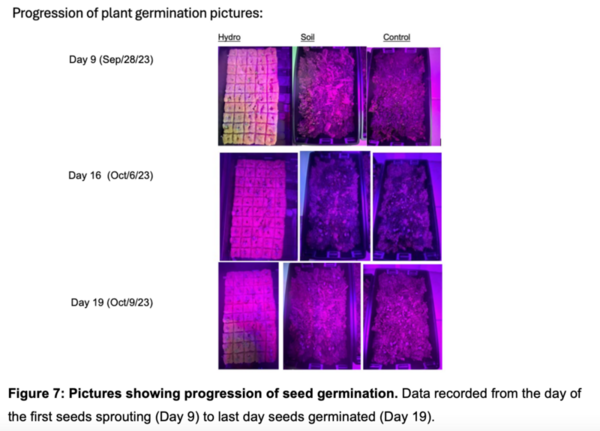
An exploration of western mosquitofish as the animal component in an aquaponic farming system

Medina et al. | Dec 03, 2024

An exploration of western mosquitofish as the animal component in an aquaponic farming system
Image credit: The authors

Aquaponics (the combination of aquatic plant farming with fish production) is an innovative farming practice, but the fish that are typically used, like tilapia, are expensive and space-consuming to cultivate. Medina and Alvarez explore other options test if mosquitofish are a viable option in the aquaponic cultivation of herbs and microgreens.

Read More...

Reducing Crop Damage Caused by Folsomia candida by Providing an Alternate Food Source

Tamura et al. | May 28, 2018

Reducing Crop Damage Caused by Folsomia candida by Providing an Alternate Food Source

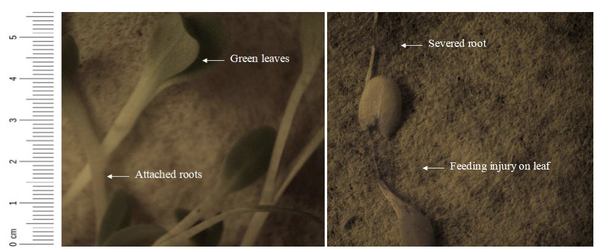
Tamura and Moché found that Folsomia candida, a common crop pest, prefers to consume yeast instead of lettuce seedlings. The authors confirmed that even with the availability of both lettuce seedlings and yeast in the same dish, Folsomia candida preferred to eat the yeast, thereby reducing the number of feeding injuries on the lettuce seedlings. The authors propose that using this preference for yeast may be a way to mitigate crop damage by this pest.

Read More...

Tomato disease identification with shallow convolutional neural networks

Trinh et al. | Mar 03, 2023

Tomato disease identification with shallow convolutional neural networks

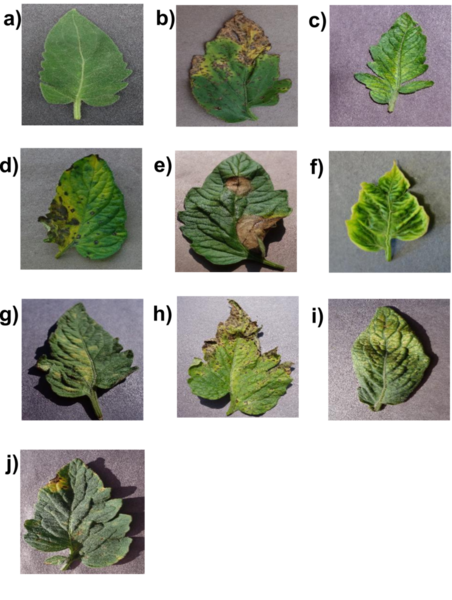
Plant diseases can cause up to 50% crop yield loss for the popular tomato plant. A mobile device-based method to identify diseases from photos of symptomatic leaves via computer vision can be more effective due to its convenience and accessibility. To enable a practical mobile solution, a “shallow” convolutional neural networks (CNNs) with few layers, and thus low computational requirement but with high accuracy similar to the deep CNNs is needed. In this work, we explored if such a model was possible.

Read More...

Can essential oils be allelopathic to Lolium multiforum without harming Solanum lycopersicum?

Madan et al. | Nov 13, 2021

 Can essential oils be allelopathic to <em>Lolium multiforum</em> without harming <em>Solanum lycopersicum</em>?

Seeking to investigate eco-friendly biological methods to control weeds and enhance food crop yields, here the authors considered the effects of three essential oils on seed germination and radicle length of both a weed and a common crop. They found that treatment with turmeric oil had phytotoxic potential, leading to a reduction in both seed germination and radicle length of the weed. In contrast, ginger oil possessed allelopathic properties towards both. The authors suggest that essential oils could be used as eco-friendly bio-herbicides.

Read More...

Genetic Bioaugmentation of Oryza sativa to Facilitate Self-Detoxification of Arsenic In-Situ

Bhat et al. | Dec 03, 2024

Genetic Bioaugmentation of Oryza sativa to Facilitate Self-Detoxification of Arsenic In-Situ

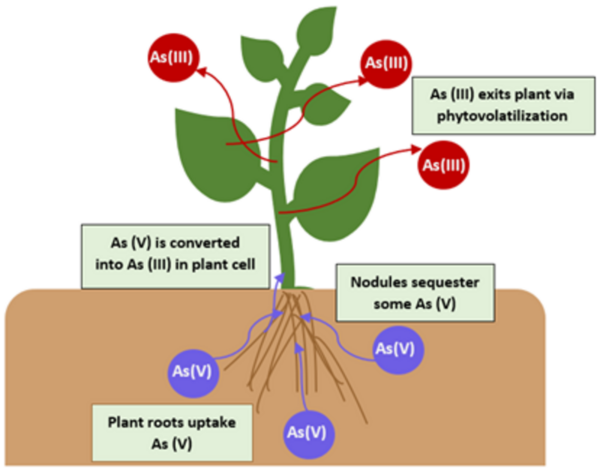
Arsenic contamination in rice, caused by the use of arsenic-laden groundwater for irrigation, is a growing global concern, affecting over 150 million people. To address this, researchers hypothesized that genetically modifying rice plants with arsenic-resistant genes could reduce arsenic uptake and allow the plants to detoxify arsenic, making them safer to consume.

Read More...

Purification of Water by Aloe

Sharma et al. | Aug 19, 2016

Purification of Water by Aloe

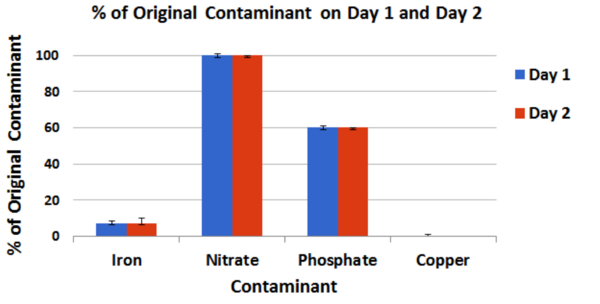
The authors test the ability of aloe vera gel to purify water of four separate contaminants. Aloe reduced the levels of copper, iron, and phosphate, but not nitrate. Potential applications of this purification system are discussed.

Read More...

Vineyard vigilance: Harnessing deep learning for grapevine disease detection

Mandal et al. | Aug 21, 2024

Vineyard vigilance: Harnessing deep learning for grapevine disease detection

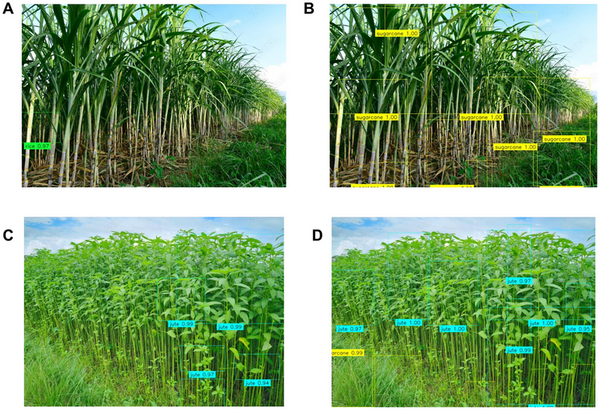
Globally, the cultivation of 77.8 million tons of grapes each year underscores their significance in both diets and agriculture. However, grapevines face mounting threats from diseases such as black rot, Esca, and leaf blight. Traditional detection methods often lag, leading to reduced yields and poor fruit quality. To address this, authors used machine learning, specifically deep learning with Convolutional Neural Networks (CNNs), to enhance disease detection.

Read More...