Browse Articles

The effects of plasticizers on the mechanical properties and chemical composition of a gelatin biopolymer

Ip et al. | Jul 28, 2024

The effects of plasticizers on the mechanical properties and chemical composition of a gelatin biopolymer

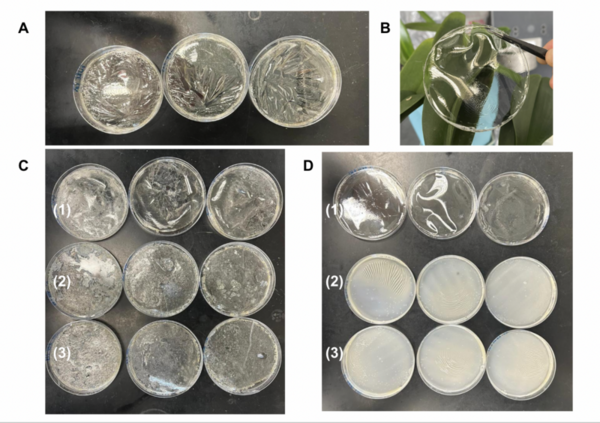
Here, in an effort to identify alternatives to oil-based plastic, the authors sought to investigate the effects of plasticizers on the mechanical properties and chemical composition of gelatin bioplastic matrices. Through measurements of their tensile strength and elongation at break, along with FTIR spectroscopy, they identified 3% w/v polyethylene glycol film as having the best performance in their study..

Read More...
Development of novel biodegradable bioplastics for packaging film using mango peels

Wang et al. | Apr 06, 2025

Development of novel biodegradable bioplastics for packaging film using mango peels
Image credit: JACQUELINE BRANDWAYN

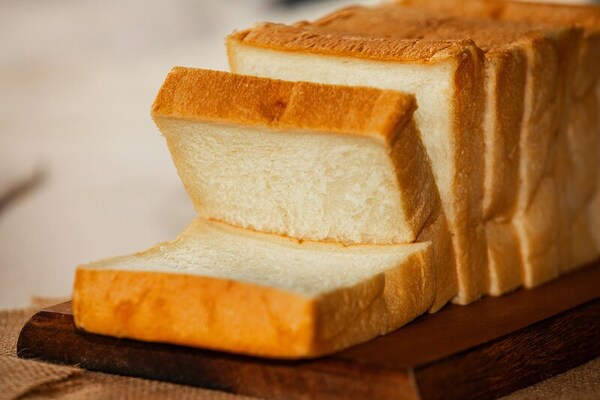
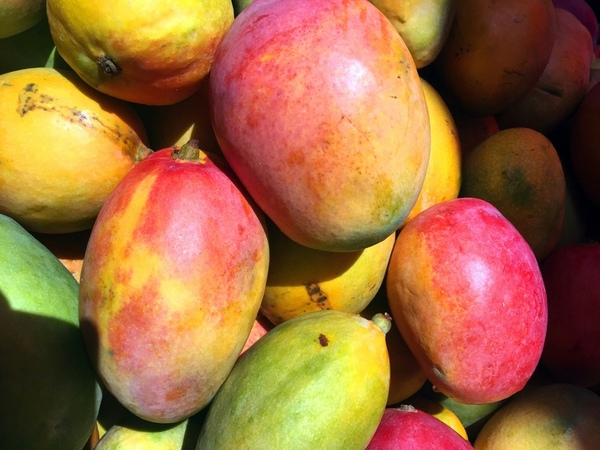
Here the authors explored the development of biodegradable bioplastic films derived from mango peels as a sustainable solution to plastic pollution and greenhouse gas emissions from fruit waste. They optimized the film's mechanical properties and water resistance through adjusting processing conditions and incorporating plasticizers and a hydrophobic coating, ultimately demonstrating its potential as a bacteriostatic and biodegradable alternative to conventional plastic food wrap.

Read More...

Herbal formulation, HF1 diminishes tumorigenesis: a cytokine study between MCF-7 and BM-MSCs.

Guru et al. | Apr 11, 2022

Herbal formulation, HF1 diminishes tumorigenesis: a cytokine study between MCF-7 and BM-MSCs.

The authors use HF-1, an herbal formation, on bone marrow derived cells as well as breast cancer cells to assess HF-1's ability to prevent tumorigenesis. As metastasis requires coordination of multiple cells in the tumor microenvironment, their findings that HF-1 augments cytokine expression such as VEGF & TGF-B show that HF-1 has potential application to therapeutics.

Read More...

Cell cytotoxicity and pro-apoptosis on MCF-7 cells using polyherbal formulation, MAT20

Tarigopula et al. | Feb 17, 2023

Cell cytotoxicity and pro-apoptosis on MCF-7  cells using polyherbal formulation, MAT20

The purpose of this study was to test the anti-cancer properties and pro-apoptotic effects of the polyherbal formulation MAT20 as a complementary treatment. Moringa oleifera (Moringa), Phyllanthus emblica (Amla) and Ocimum sanctum (Tulsi), these 3 herbs were used to formulate MAT20, which contain phytochemicals that are known to display anti-cancer properties. In this study, we hypothesized that MCF-7 breast cancer cells treated with MAT20 would show increased cytotoxicity compared to its individual plant extracts.

Read More...