Browse Articles

Focusing Sound Waves Using a Two-Dimensional Non-Linear System

Wehr et al. | Jul 07, 2014

Focusing Sound Waves Using a Two-Dimensional Non-Linear System

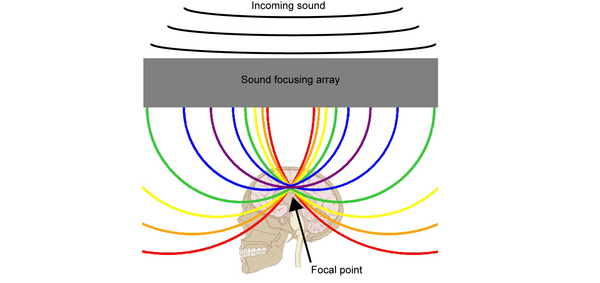
Sound waves can be amazingly powerful, especially when they work together. Here the authors create an “acoustic lens” that focuses sound waves on a single location. This makes the sound waves very powerful, capable of causing damage at a precise point. In the future, acoustic lenses like this could potentially be used to treat cancer by killing small tumors without surgery.

Read More...

Comparative life cycle analysis: Solvent recycling and improved dewatering scenarios in PHB plastic production

Chiu et al. | Jun 13, 2025

Comparative life cycle analysis: Solvent recycling and improved dewatering scenarios in PHB plastic production

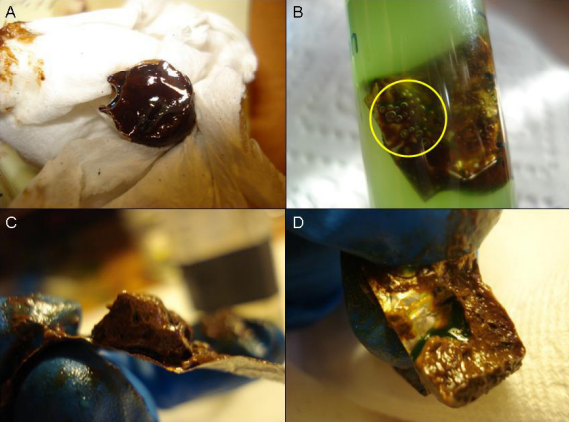
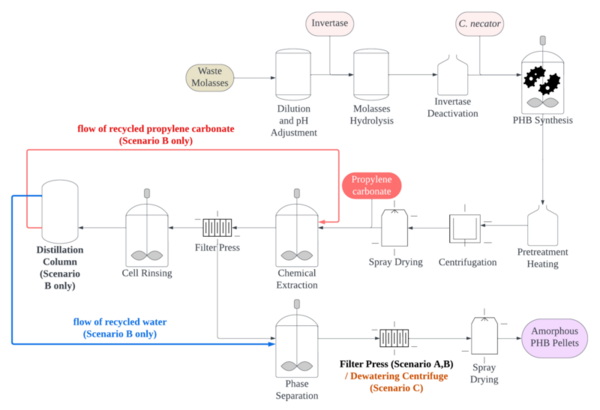
The authors looked at alternative production processes for PHB plastic in an effort to reduce environmental impact. They found that no alternative process was able to significantly decrease the environmental impact of PHB production, but that optimizing dewatering steps during production could lead to the largest improvement on environmental impact.

Read More...

The Effect of Cooking Method on the Amount of Fat in an Egg

Srinivasan et al. | Dec 01, 2014

The Effect of Cooking Method on the Amount of Fat in an Egg

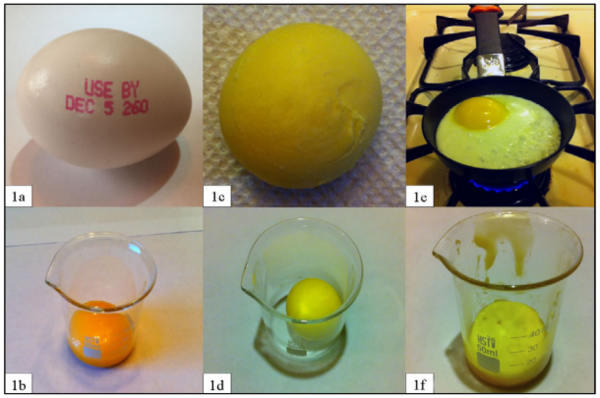
Fat can be chemically altered during cooking through a process called lipid oxidation, which can have a negative impact on health. In this study, the authors measured the extracted fat in raw, fried and hard-boiled eggs and found that cooking eggs to a higher temperature resulted in a lower amount of extracted fat, indicating a greater amount of oxidized fat.

Read More...

The Effects of Micro-Algae Characteristics on the Bioremediation Rate of Deepwater Horizon Crude Oil

Cao et al. | Jun 17, 2013

The Effects of Micro-Algae Characteristics on the Bioremediation Rate of Deepwater Horizon Crude Oil

Environmental disasters such as the Deepwater Horizon oil spill can be devastating to ecosystems for long periods of time. Safer, cheaper, and more effective methods of oil clean-up are needed to clean up oil spills in the future. Here, the authors investigate the ability of natural ocean algae to process crude oil into less toxic chemicals. They identify Coccochloris elabens as a particularly promising algae for future bioremediation efforts.

Read More...

Increased survival of aquatic life through algal pretreatment of nitrate-contaminated runoff

Venkat et al. | Sep 12, 2026

Increased survival of aquatic life through algal pretreatment of nitrate-contaminated runoff
Image credit: Liz Harrell

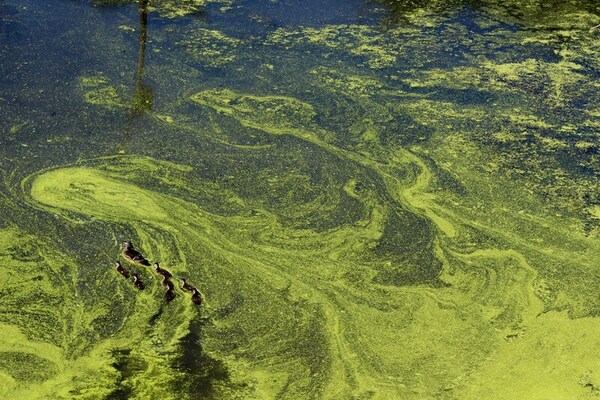
Here the authors investigated the effectiveness of algal pretreatment in reducing nitrate toxicity and extending the survival of fish in contaminated river water. Their findings demonstrate that treating nitrate-polluted water with algae extended fish survival by up to 50%, suggesting that algae could serve as a valuable tool for mitigating the destructive impacts of agricultural and industrial runoff on aquatic ecosystems.

Read More...

Measuring effects of caffeine and melatonin on learning trends of Zebrafish juveniles

Wei et al. | Jun 28, 2026

Measuring effects of caffeine and melatonin on learning trends of Zebrafish juveniles

This study investigates how caffeine and melatonin affect learning in adolescent zebrafish, serving as a model for human teens. Using an automated system to track behavior, we found that melatonin slowed learning while caffeine caused erratic, inconsistent responses, suggesting both substances can negatively impact adolescent learning patterns. These findings highlight the need for further research into their physiological effects and potential implications for human adolescents.

Read More...