Browse Articles

Can the nucleotide content of a DNA sequence predict the sequence accessibility?

Balachandran et al. | Mar 10, 2023

Can the nucleotide content of a DNA sequence predict the sequence accessibility?
Image credit: Warren Umoh

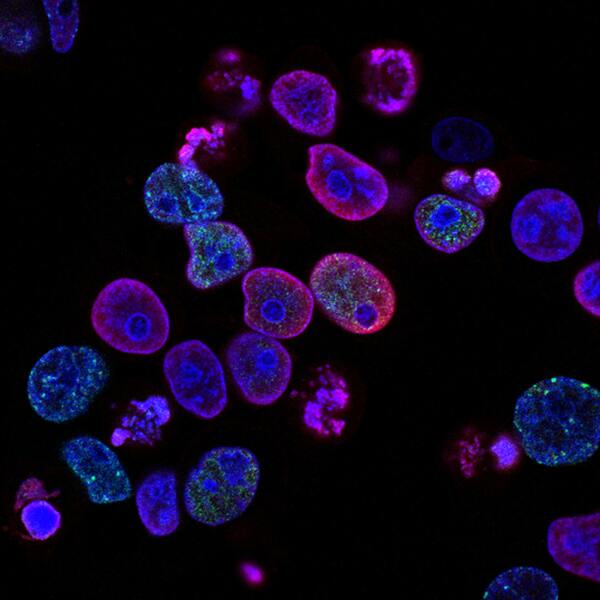
Sequence accessibility is an important factor affecting gene expression. Sequence accessibility or openness impacts the likelihood that a gene is transcribed and translated into a protein and performs functions and manifests traits. There are many potential factors that affect the accessibility of a gene. In this study, our hypothesis was that the content of nucleotides in a genetic sequence predicts its accessibility. Using a machine learning linear regression model, we studied the relationship between nucleotide content and accessibility.

Read More...

In vitro Comparison of Anticancer and Immunomodulatory Activities of Resveratrol and its Oligomers

Zhang et al. | Sep 02, 2020

<em>In vitro</em> Comparison of Anticancer and Immunomodulatory Activities of Resveratrol and its Oligomers

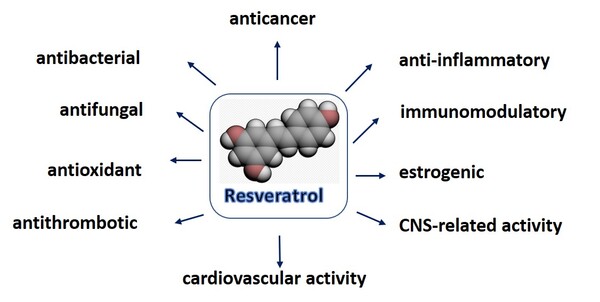
Resveratrol is a type of stillbenoid, a phenolic compound produced in plants, that is known for its anti-inflammatory and anticancer effects. Many oligomers of resveratrol have recently been isolated their bioactivities remain unknown. Here, authors compared the bioactivities of resveratrol with natural dimers (ε-viniferin and gnetin H) and trimers (suffruticosol B and C). Results provide preliminary evidence that resveratrol oligomers could be potential preventive or therapeutic agents for cancers and other immune-related diseases

Read More...

Effect of Gram-positive bacteria on antibiotic resistance in Gram-negative bacteria

Willem et al. | Mar 12, 2024

Effect of Gram-positive bacteria on antibiotic resistance in Gram-negative bacteria

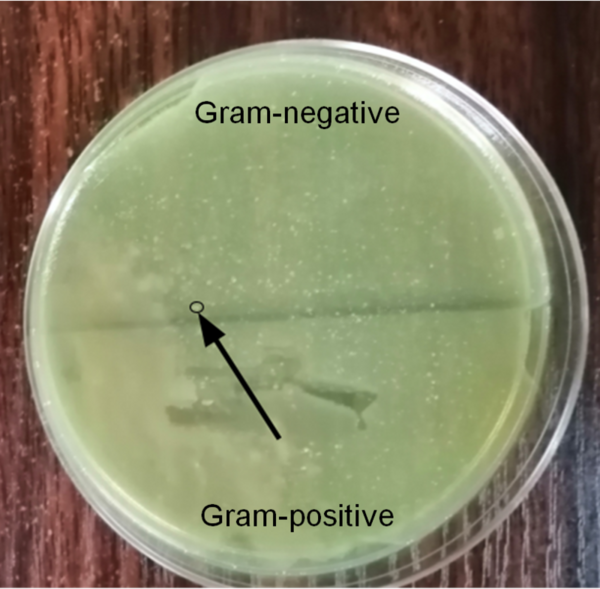
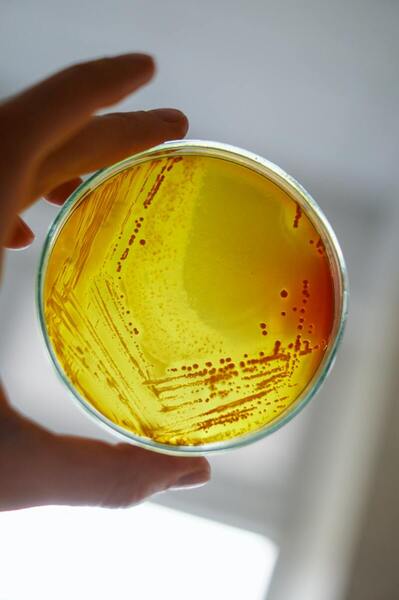
Antibiotics are one of the most common treatments for bacterial infections, but the emergence of antibiotic resistance is a major threat to the control of infectious diseases. Many factors contribute to the development of antibiotic resistance. One is bacterial conjugation from Gram-positive to Gram-negative bacteria where there is a transfer of resistance genes from Gram-positive to Gram-negative bacteria that could increase antibiotic resistance in the latter. In light of these observations, we decided to test whether Gram-negative bacteria that came into contact with Gram-positive bacteria had a higher resistance to the antimicrobial properties of spices than Gram-negative bacteria that did not come into contact with Gram-positive bacteria.

Read More...

Effect of pH on the antibacterial properties of turmeric

Ganga et al. | Aug 31, 2023

Effect of pH on the antibacterial properties of turmeric

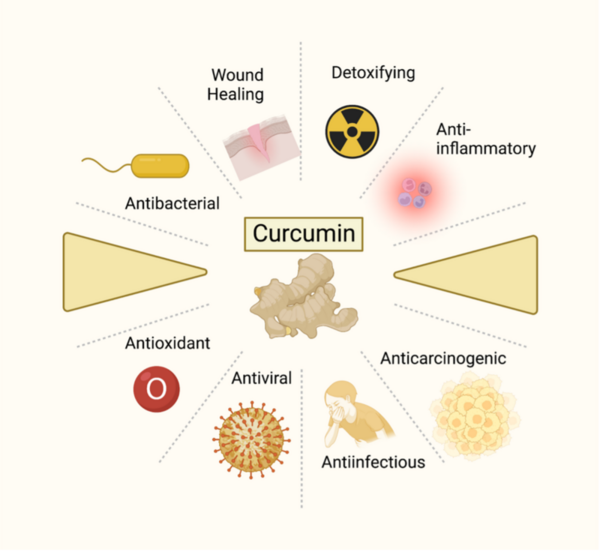
Some spices have antimicrobial or antibacterial properties that people have already tested. Turmeric has a wide variety of uses and has even been implemented in alternative medicine as a treatment for cancer, inflammation, osteoarthritis, and other diseases. We tested the antimicrobial effects of turmeric under two different pHs to characterize this effect in vitro. Decreasing the pH of a solution of turmeric may increase antibacterial properties.

Read More...

Effect of environment factors on the expression of soluble PDE8A1 in E. coli

Jiang et al. | Oct 25, 2022

Effect of environment factors on the expression of soluble PDE8A1 in <em>E. coli</em>

PDE8, a type of phosphodiesterase (PDE), is proven to be crucial in various cellular activities and physiological activities by influencing second messenger systems. It is involved in a wide range of diseases, including Alzheimer’s disease and various heart diseases. However, there is limited information about PDE8 selective inhibitors. This work aimed to improve the solubility and yield of PDE8 in the supernatant by exploring suitable culture conditions, including temperatures and different additives.

Read More...

Quantitative NMR spectroscopy reveals solvent effects in the photochemical degradation of thymoquinone

Mandava et al. | Dec 16, 2023

Quantitative NMR spectroscopy reveals solvent effects in the photochemical degradation of thymoquinone

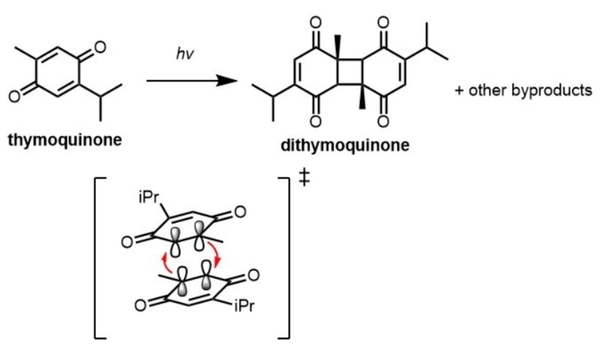
Thymoquinone is a compound of great therapeutic potential and scientific interest. However, its clinical administration and synthetic modifications are greatly limited by its instability in the presence of light. This study employed quantitative 1H nuclear magnetic resonance (NMR) spectroscopy to identify the effect of solvation on the degradation of thymoquinone under ultraviolet light (UV). It found that the rate of degradation is highly solvent dependent occurs maximally in chloroform.

Read More...