Browse Articles

Innovative use of recycled textile fibers in building materials: A circular economy approach

Gupta et al. | Feb 19, 2026

Innovative use of recycled textile fibers in building materials: A circular economy approach
Image credit: Gupta and Gupta

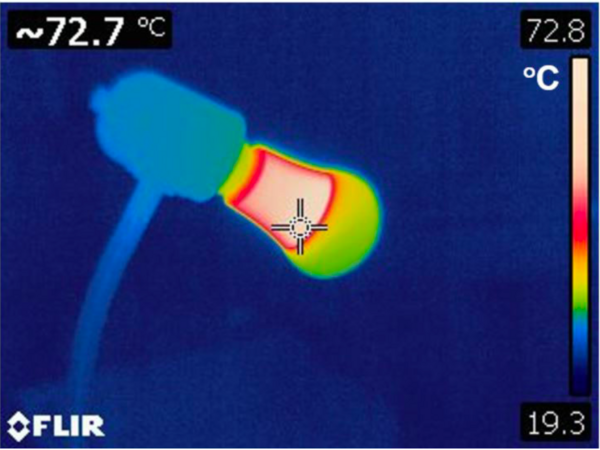
Textile waste from the fashion industry is a major environmental pollutant, but recycling waste into novel building material is a strategy to reduce the negative effects. This manuscript characterized five different binders that can be used to repurpose textile waste into bricks for construction purposes. Water-based glue, cement, white cement, plaster of Paris, and epoxy resin were mixed with shredded textile waste, and the mechanical characteristics and thermal insulation of each brick type were measured. Bricks with increased mechanical strength had the poorest thermal resistance, and the contrasting properties would suit different building purposes. This work provides a first step in generating recycled textile bricks for construction in a circular economy framework.

Read More...

Rethinking the electric vehicle tax policy: prioritizing affordable solutions for environmental impact

Miao et al. | Jan 26, 2026

Rethinking the electric vehicle tax policy: prioritizing affordable solutions for environmental impact

Car emissions harm both the environment and human health, and current U.S. EV tax credits mainly benefit high-income households because EVs are expensive. This study evaluates U.S. vehicle emissions policies by analyzing 2022 national vehicle data to compare the fuel economy and greenhouse gas impacts of the current EV tax credit with a proposed policy that incentivizes hybrid vehicle purchases.

Read More...

Quantifying natural recovery of dopamine deficits induced by chronic stress

Josyula et al. | Oct 27, 2025

Quantifying natural recovery of dopamine deficits induced by chronic stress
Image credit: Shawn Day

Here the authors investigated the natural recovery of stress-induced dopamine-related gene deficits in C. elegans by measuring the expression of cat-2 (dopamine biosynthesis) and sod-2 (oxidative stress) following exposure to starvation or hydrocortisone. They found that the reversibility of sod-2 and the expression of cat-2 were highly dependent on the type and severity of the stressor, suggesting that the body's natural ability to recover from dopamine dysfunction has biological limitations.

Read More...