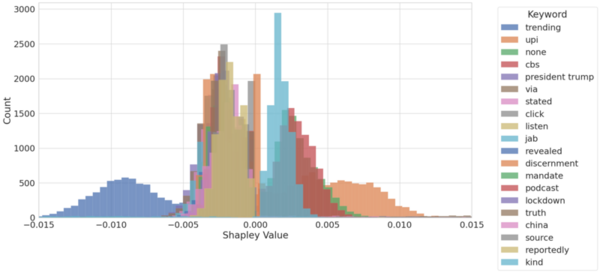
The authors looked at the ability of machine learning algorithms to interpret language given their increasing use in moderating content on social media. Using an explainable model they were able to achieve 81% accuracy in detecting fake vs. real news based on language of posts alone.
Modern day fossil fuels are prone to polluting our environment, which can provide major habitat loss to many animals in our ecosystems. Algae-based biofuels have become an increasingly popular alternative to fossil fuels because of their sustainability, effectiveness, and environmentally-friendly nature. To encourage algae growth and solidify its role as an emerging biofuel, we tested basic (in terms of pH) solutions on pond water to determine which solution is most efficient in inducing the growth of algae.
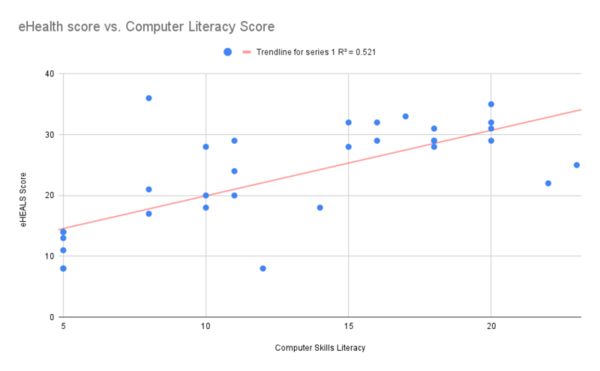
As digital tools become more prevalent in medicine, the ability for individuals to understand and take actions based on what they read on the internet is crucial. eHealth literacy is defined as as the ability to seek, find, understand, and evaluate health information from electronic sources and apply the knowledge gained to addressing or solving a health problem. In general, Americans have low eHealth literacy rates. However, limited research has been conducted to understand the eHealth literacy level among older Chinese adult immigrants in the U.S. To determine the eHealth literacy of elderly Chinese immigrants, we sent out an eHealth survey and relevant computer skills survey using a modified version of the eHEALS (eHealth Literacy Scale) health literacy test. We hypothesized that elders who consumed more electronic health content would have a higher eHealth literacy score. The results of this survey showed that there was a positive correlation between the frequency of electronic health information consumption and the participant's eHealth literacy rate. In addition, the results of our computer literacy test show that the frequency of consumption and computer literacy are positively correlated as well. There is a strong positive correlation between the level of computer skills and eHealth literacy of participants. These results reveal possible steps individuals can take to reduce health misinformation and improve their own health by attaining, understanding, and taking action on health material on the internet.
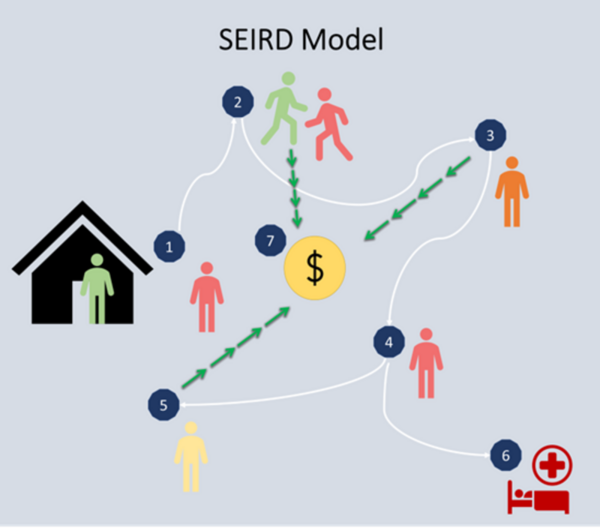
Pandemics involve the high transmission of a disease that impacts global and local health and economic patterns. Epidemiological models help propose pandemic control strategies based on non-pharmaceutical interventions such as social distancing, curfews, and lockdowns, reducing the economic impact of these restrictions. In this research, we utilized an epidemiological Susceptible, Exposed, Infected, Recovered, Deceased (SEIRD) model – a compartmental model for virtually simulating a pandemic day by day.
Here the authors sought to better understand glioma, cancer that occurs in the glial cells of the brain with gene expression profile analysis. They considered the expression of complement system genes across the transcriptional and IDH-mutational subtypes of low-grade glioma and glioblastoma. Based on their results of their differential gene expression analysis, they found that outcomes vary across different glioma subtypes, with evidence suggesting that categorization of the transcriptional subtypes could help inform treatment by providing an expectation for treatment responses.
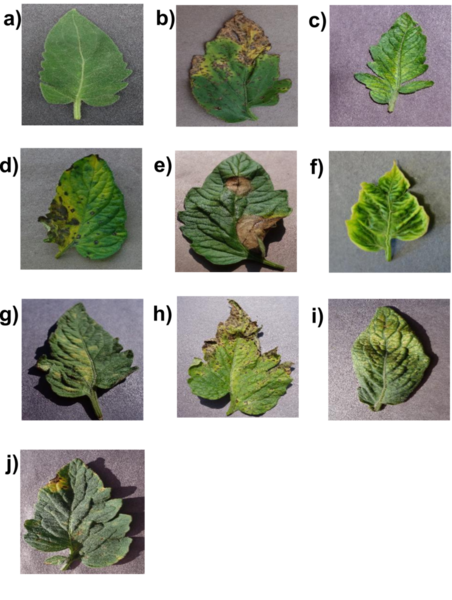
Plant diseases can cause up to 50% crop yield loss for the popular tomato plant. A mobile device-based method to identify diseases from photos of symptomatic leaves via computer vision can be more effective due to its convenience and accessibility. To enable a practical mobile solution, a “shallow” convolutional neural networks (CNNs) with few layers, and thus low computational requirement but with high accuracy similar to the deep CNNs is needed. In this work, we explored if such a model was possible.
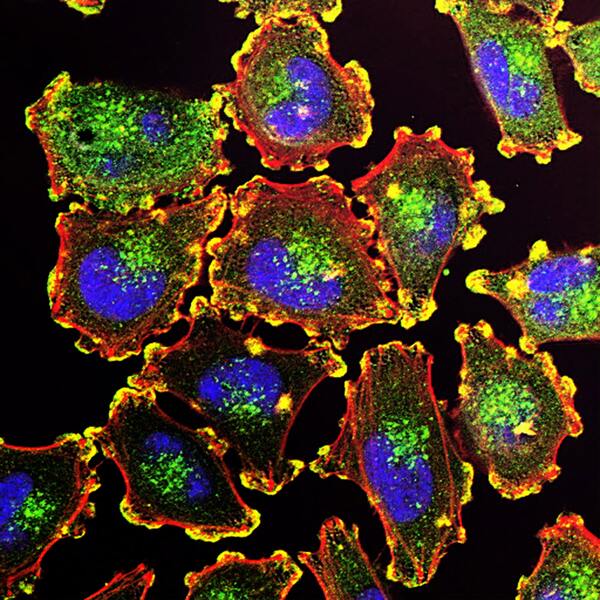
Here, seeking to better understand the genetic associations underlying non-small cell lung cancer, the authors screened hundreds of genes, identifying that KCNMB2 upregulation was significantly correlated with poor prognoses in lung cancer patients. Based on this, they used small interfering RNA to decrease the expression of KCNMB2 in A549 lung cancer cells, finding decreased cell proliferation and increased lung cancer cell death. They suggest this could lead to a new potential target for lung cancer therapies.
Here, recognizing the vastly different opinion held regarding device usage, the authors considered the effects of technology use on middle and high school students' learning effectiveness. Using an anonymous online survey they found partial support that device use at school increases learning effectiveness, but found strong support for a negative effect of technology use at home on learning effectiveness. Based on their findings they suggest that the efficacy of technology depends on environmental context along with other important factors that need consideration.
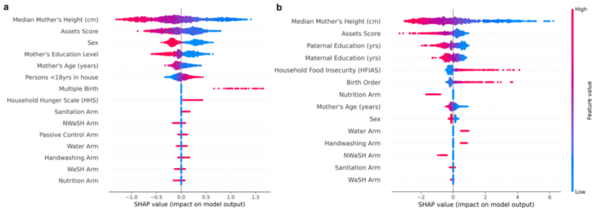
Over the last few decades, childhood stunting has persisted as a major global challenge. This study hypothesized that TPTO (Tree-based Pipeline Optimization Tool), an AutoML (automated machine learning) tool, would outperform all pre-existing machine learning models and reveal the positive impact of economic prosperity, strong familial traits, and resource attainability on reducing stunting risk. Feature correlation plots revealed that maternal height, wealth indicators, and parental education were universally important features for determining stunting outcomes approximately two years after birth. These results help inform future research by highlighting how demographic, familial, and socio-economic conditions influence stunting and providing medical professionals with a deployable risk assessment tool for predicting childhood stunting.
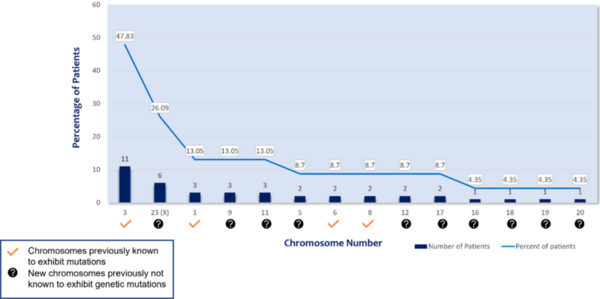
Uveal melanoma (UM) is a rare subtype of melanoma but the most frequent primary cancer of the eye in adults. The goal of this study was to research the genetic causes of UM through a comprehensive frequency analysis of base-pair mismatches in patient genomes. Results showed a total of 130 genetic mutations, including seven recurrent mutations, with most mutations occurring in chromosomes 3 and X. Recurrent mutations varied from 8.7% to 17.39% occurrence in the UM patient sample, with all mutations identified as missense. These findings suggest that UM is a recessive heterogeneous disease with selective homozygous mutations. Notably, this study has potential wider significance because the seven genes targeted by recurrent mutations are also involved in other cancers.