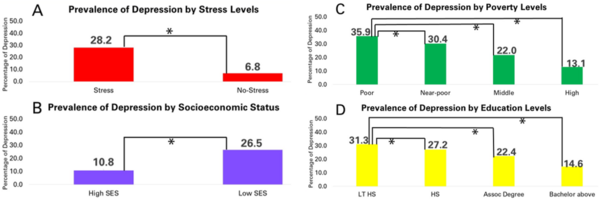
The authors use the Census Household Pulse Survey issued by the US Census Bureau to examine the prevalence of stress and depression among people across socioeconomic statuses.
Read More...Stress and depression among individuals with low socioeconomic status during economic inflation
The authors use the Census Household Pulse Survey issued by the US Census Bureau to examine the prevalence of stress and depression among people across socioeconomic statuses.
Read More...Stress-induced genetic memory inheritance and retention in Planarian biological model
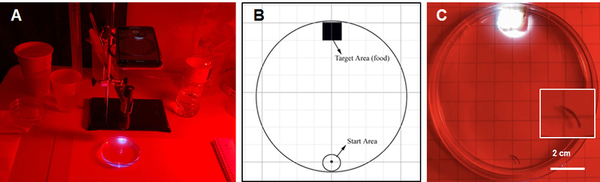
This study explored whether planaria, known for their regenerative abilities, can retain learned memories after regeneration and how stressors like alcohol affect memory.
Read More...Therapy dogs effectively reduce stress in college preparatory students

In this article the authors looked at the effect of spending time with a therapy dog before and after stressful events. They found that interacting with a therapy before a stressful event showed more significant reduction in signs of stress compared to interacting with a therapy dog after stressful events have already occurred.
Read More...Can Green Tea Alleviate the Effects of Stress Related to Learning and Long-Term Memory in the Great Pond Snail (Lymnaea stagnalis)?
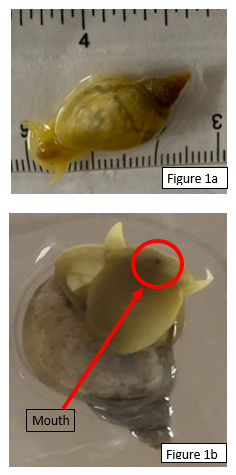
Stress and anxiety have become more prevalent issues in recent years with teenagers especially at risk. Recent studies show that experiencing stress while learning can impair brain-cell communication thus negatively impacting learning. Green tea is believed to have the opposite effect, aiding in learning and memory retention. In this study, the authors used Lymnaea stagnalis , a pond snail, to explore the relationship between green tea and a stressor that impairs memory formation to determine the effects of both green tea and stress on the snails’ ability to learn, form, and retain memories. Using a conditioned taste aversion (CTA) assay, where snails are exposed to a sweet substance followed by a bitter taste with the number of biting responses being recorded, the authors found that stress was shown to be harmful to snail learning and memory for short-term, intermediate, and long-term memory.
Read More...Giving Teens a Voice: Sources of Stress for High School Students

The authors investigate the negative effects stress has on teen mental and physical health. Through a survey, they give Virginia teens a voice in revising the Health and Physical Education curriculum to include a standards of learning (SOL). Notably they identify factors contributing to stress levels including homework level, amount of free and sleep time, parental pressure and family encouragement.
Read More...Evaluating stress-relieving methods of high school students
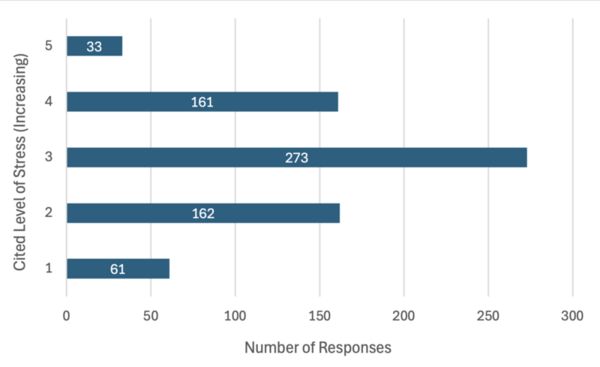
The authors evaluated the effectiveness of common stress-relief strategies used by high schoolers.
Read More...The effect of natural phenolic compounds on reducing oxidative stress
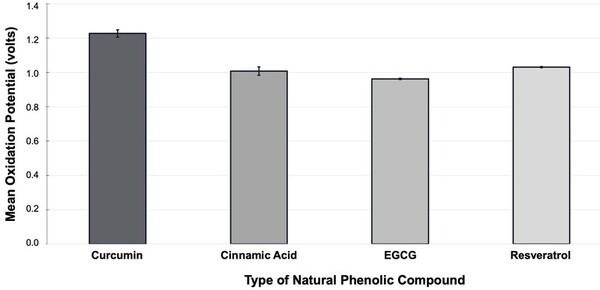
The authors looked at the potential of different phenolic compounds to reduce oxidative stress (i.e., act as antioxidants).
Read More...Quantifying natural recovery of dopamine deficits induced by chronic stress
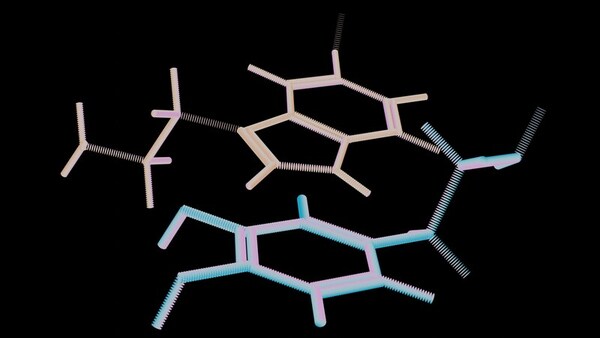
Here the authors investigated the natural recovery of stress-induced dopamine-related gene deficits in C. elegans by measuring the expression of cat-2 (dopamine biosynthesis) and sod-2 (oxidative stress) following exposure to starvation or hydrocortisone. They found that the reversibility of sod-2 and the expression of cat-2 were highly dependent on the type and severity of the stressor, suggesting that the body's natural ability to recover from dopamine dysfunction has biological limitations.
Read More...Specialized chicken toys are effective in relieving stagnant egg production for stressed layer hens

The authors looked at egg laying rates in chickens at two different small farms. They found when the chickens were provided homemade, colorful toys in their environment that their egg production rates increased.
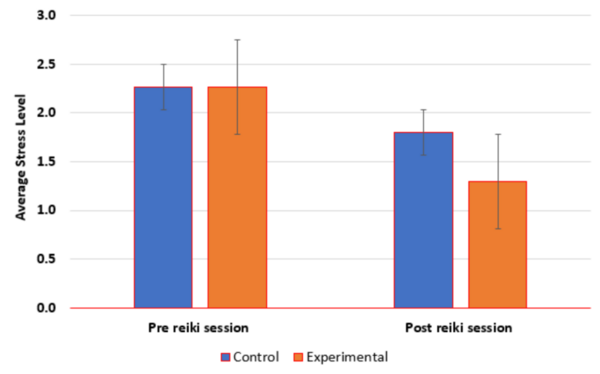
Read More...The effect of reiki, a Japanese relaxation technique, on stress in middle schoolers