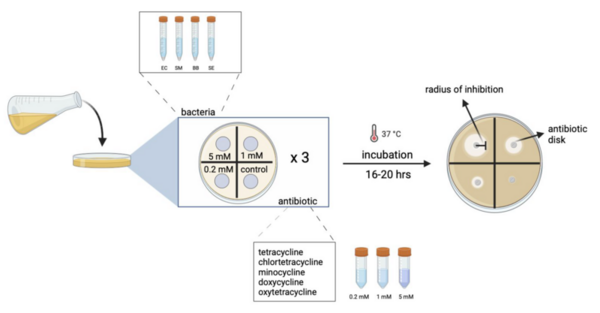
The authors looked at four members of the tetracycline antibiotic family/class against four different species of bacteria.
Read More...Strain selective in vitro and in silico structure activity relationship of tetracycline antibiotics
The authors looked at four members of the tetracycline antibiotic family/class against four different species of bacteria.
Read More...The Emergence of Tetracycline Resistance in Rumen Bacteria
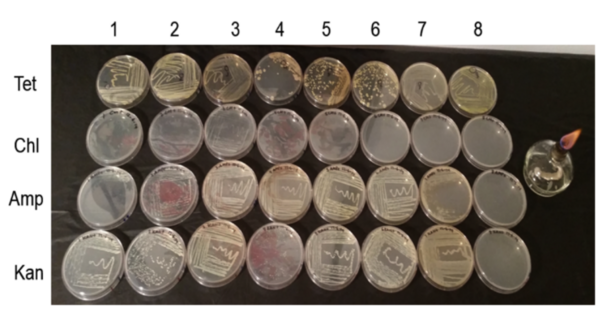
The emergence of antibiotic-resistant pathogenic bacteria is a major concern for human health, rendering some antibiotics ineffective in treating diseases. The authors of this study tested the hypothesis that exposing rumen bacteria to tetracycline will gradually lead to the development of tetracycline-resistant bacteria, some of which will develop multidrug resistance.
Read More...Talinum paniculatum root exhibits synergistic antimicrobial activity with Tetracycline, Erythromycin, and Streptomycin against S. aureus but has no observed effect on antibiotic efficacy against E. coli
Patel et al. explore whether T. paniculatum plant extract can work with modern antibiotics to increase antibiotic efficacy against common disease-causing bacteria. The plant extract in conjunction with the antibiotic shows promise in battling S. aureus. The authors present a cost-effective method to increase antibiotic efficacy in a time where antibiotic resistant bacteria is becoming a growing problem.
Read More...Evaluating the antimicrobial activity of maitake mushroom extract against Staphylococcus epidermidis
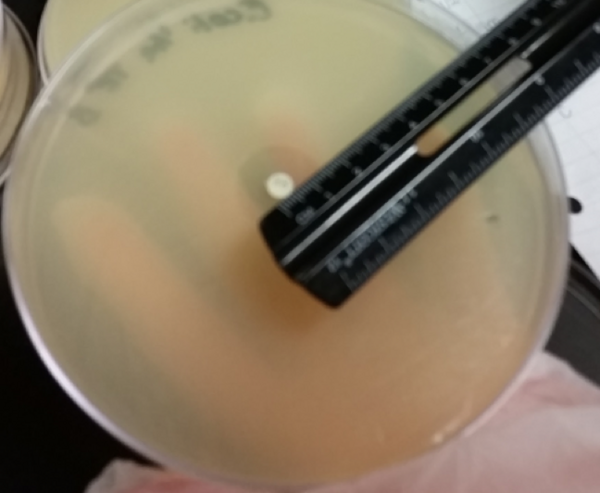
Here, seeking to explore new antimicrobial therapies, the authors investigated the antimicrobial activity of Maitake mushroom extract against Staphylococcus epidermidis, a common cause of antibiotic resistant hospital-acquired infections. They found that Maitake extract showed potent antimicrobial activity, with higher concentrations showing inhibition comparable to tetracycline.
Read More...Star anise and oregano essential oil: A comparative evaluation of antibacterial effect
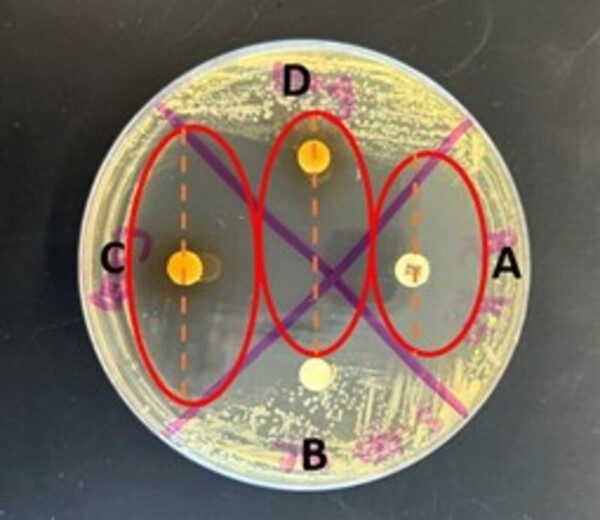
The authors looked at the antibacterial effects of oregano and star anise essential oils against E. coli or S. epidermis. They found that oregano oil showed antibacterial activity against both E. coli or S. epidermis, and that star anise oil had a larger zone of inhibition in E. coli than tetracycline, a conventional antibiotic.
Read More...Analysis of Monotherapy and Combination Therapy on Helicobacter felis
Heliobacter felis causes gastritis which is accompanied by a range of unpleasant symptoms in small animals such as cats. In order to identify effective antibiotics for treating H. felis infections, the researchers investigate whether a combination of different antibiotics is more effective than the use of individual antibiotics alone. Of the antibiotics they selected, Streptomycin alone was better than any other single antibiotic or in combination. Their results have not yet been validated in live animals, but suggest that Streptomycin alone might be an effective treatment of H. felis-induced gastritis in cats.
Read More...The Effects of Antibiotics on Nutrient Digestion
One disadvantage of antibiotic therapy is the potential for unpleasant gastrointestinal side effects. Here, the authors test whether some common antibiotics directly interfere with the digestion of protein, fat, or sugars. This study provides motivation to more carefully investigate the interactions between antibiotics and gut enzymes in order to inform treatment decisions and improve patient outcomes.
Read More...