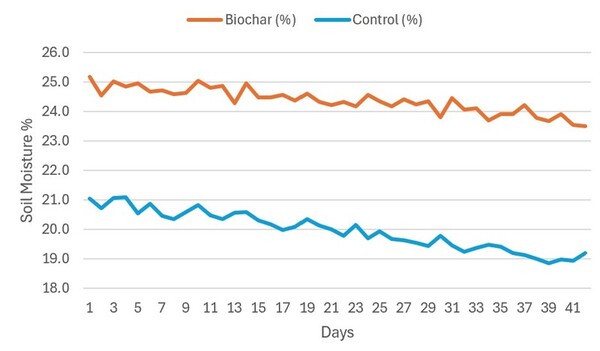
The study explored converting Gracilaria seaweed waste—known for releasing toxic hydrogen sulfide when decomposed—into biochar as a sustainable solution for waste management and soil improvement.
Read More...Enhanced soil fertility through seaweed-derived biochar: A comparative analysis with commercial fertilizers
The study explored converting Gracilaria seaweed waste—known for releasing toxic hydrogen sulfide when decomposed—into biochar as a sustainable solution for waste management and soil improvement.
Read More...Analysis of biofertilization impacts on Pisum sativum
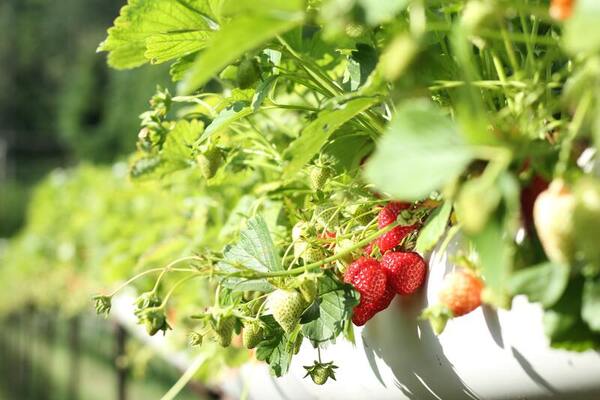
This study explored the various effects of three different produce-based biofertilizers on pea plant growth, using red apple, pear, strawberry, and control treatments. It was hypothesized that the application of fruit biomatter would increase the growth of pea plants, with the application of strawberry biomatter having the most significant effect due to strawberries containing a higher nutrient content compared to pears and apples. Analysis confirmed the hypothesis. The application of strawberry biomatter could prove to be an effective way to increase plant growth in commercial agriculture.
Read More...Analysis of Milorganite’s ability to sustain growth of Ocimum basilicum in simulated Martian soil
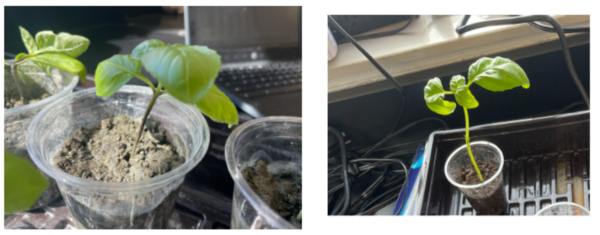
The authors test whether basil can grow in a simulated Martian soil improved with a waste-based fertilizer called Milorganite.
Read More...Effect Of SMC On The Growth Of Bean, Cherry Tomato And Roma Tomato Plant
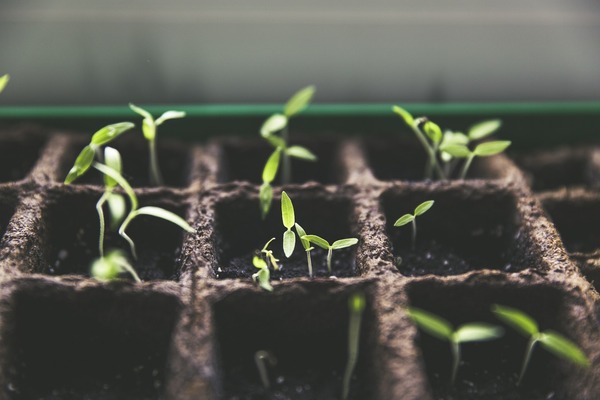
Mushroom compost, also called Spent Mushroom Substrate or Spent Mushroom Compost (SMC), is suitable for a variety of plants. Previous research has found that the application of SMC will increase plant growth. However, it is unclear which exact proportions of SMC and soil will maximize tomato and bean plant growth. We showed that the hypothesized growth media with 30% SMC optimizes seed germination, plant height, number of leaves, and survival rate compared to other combinations of growth media. Our research suggests that SMC is a useful alternative for conventional fertilizers.
Read More...The effects of early probiotic supplementation on the germination of Arabidopsis thaliana
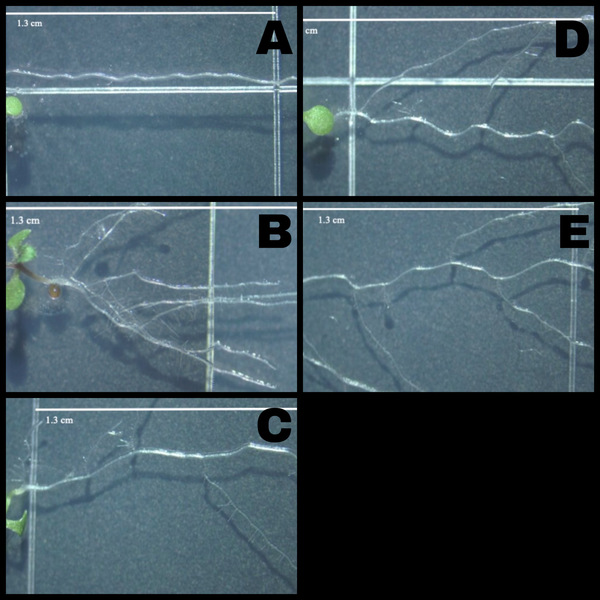
The use of fertilizers is associated with an increase in soil degradation, which is predicted to lead to a decrease in crop production within the next decade. Thus, it is critical to find solutions to support crop production to sustain the robust global population. In this study, the authors investigate how probiotic bacteria, like Rhizobium leguminosarum, Bacillus subtilis and Pseudomonas fluorescens, can impact the growth of Arabidopsis thaliana when applied to the seeds.They hypothesized that solutions with multiple bacterial species compared to those with only a single bacterial species would promote seed germination more effectively.
Read More...Reduce the harm of acid rain to plants by producing nitrogen fertilizer through neutralization
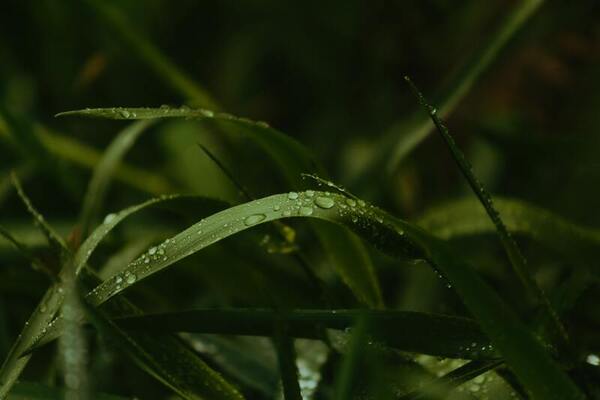
The phenomenon of dying trees and plants in areas affected by acid rain has become increasingly problematic in recent times. Is there any method to efficiently utilize the rainwater and reduce the harmfulness of acid rain or make it beneficial to plants? This study aimed to investigate the potential of neutralizing acid rainwater infiltrating the soil to increase soil pH, produce beneficial salts for plants, and support better plant growth. To test this hypothesis, precipitation samples were collected from six states in the U.S. in 2022, and the pH of the acid rain was measured to obtain a representative pH value for the country. Experiments were then conducted to simulate the neutralization of acid rain and the subsequent change in soil pH levels. To evaluate the effectiveness and feasibility of this method, cat grass was planted in pots of soil soaked with solutions mimicking acid rain, with control and experimental groups receiving neutralizing agents (ammonium hydroxide) or not. Plant growth was measured by analyzing the height of the plants. Results demonstrated that neutralizing agents were effective in improving soil pH levels and that the resulting salts produced were beneficial to the growth of the grass. The findings suggest that this method could be applied on a larger agricultural scale to reduce the harmful effects of acid rain and increase agricultural efficiency.
Read More...Impact of Soil Productivity on the Growth of Two Meyer Lemon Trees
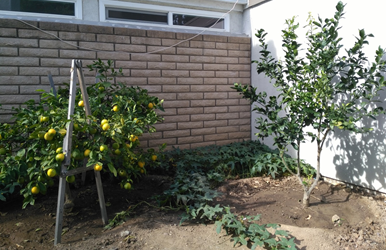
Here, the authors aimed to apply home soil testing to identify the cause of the growth differences between two lemon trees. They hypothesized that differences in physical and chemical soil characteristics were influencing differences in soil productivity and plant growth. Overall, the study demonstrated the effectiveness of home soil testing to characterize soils and help homeowners solve common gardening problems.
Read More...Impact of salinity and phosphorus on growth of Phaseolus Vulgaris inoculated with Arbuscular Mycorrhizal Fungi
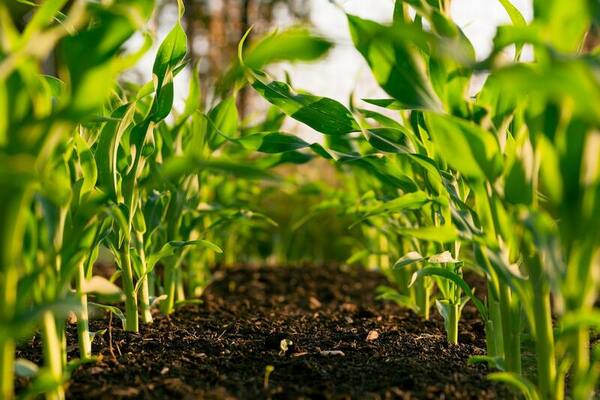
Here, recognizing a declining supply of rock phosphate, as well as its role in crop fertilization, the authors investigated a fungus that forms a symbiotic relationship with many crops. They found that symbiosis between the fungus and common bean plant increased the affinity of the plant towards absorbing nutrients as evidenced by lower root-to-shoot ratios in beans planted in soil with various concentrations of phosphorous and salinity.
Read More...Performance of Panicum virgatum Cultivars in Competition With Bromus inermis and Differing Amounts of N Fertilizer
With growing demands for ethanol, many researchers are turning to Panicum virgatum (switchgrass) as a feedstock of cellulosic ethanol. In this study, Ferris and Gillan examine the germination, biomass, nitrogen, survival, and chlorophyll absorbance of two switchgrass cultivars of grown in competition with Bromus inermis (smooth brome) with two varying levels of nitrogen fertilizer. Results presented indicate that during establishment, competition from other species has a greater effect than nitrogen fertilizer.
Read More...The efficacy of spent green tea leaves and coffee grounds on the growth of Ocimum basilicum
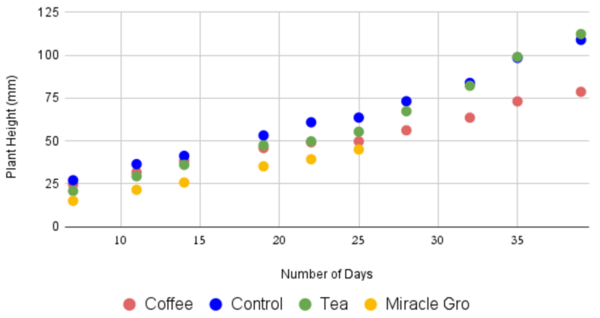
The authors looked at fertilizer derived from coffee ground tea leaves, measuring the effectiveness by measuring the height, weight, and number of leaves on basil plants.
Read More...