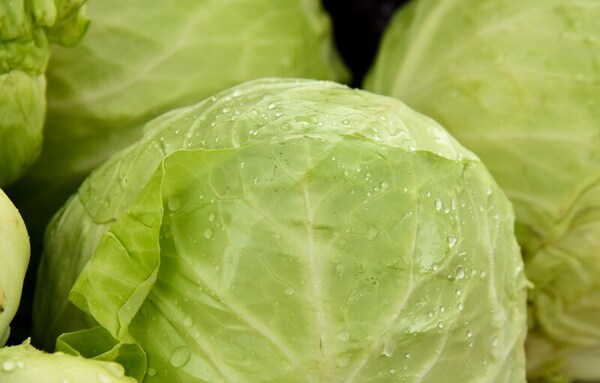
Here the authors introduce pressing filtration as a novel, efficient, and low-energy method for extracting dietary fiber from cabbage, which successfully retains heat-sensitive nutrients and achieves a high fiber yield. The study demonstrates the scalability and economic viability of this technique for commercial use, highlighting that the resulting high-fiber cabbage powder can be incorporated into familiar foods like hamburger buns and beef patties without compromising taste or sensory quality.
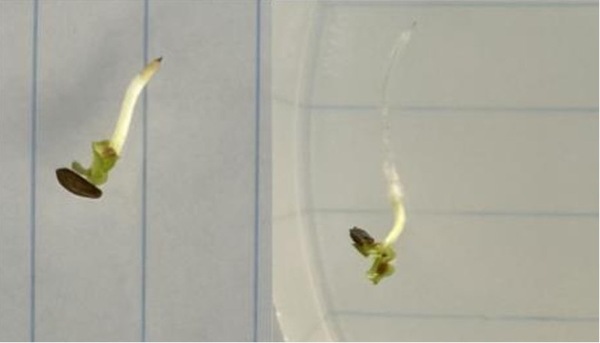
Microplastic pollution is a pressing environmental issue, particularly in the context of its potential impacts on ecosystems and human health. In this study, we explored the ability of plants, specifically those cultivated for human consumption, to absorb microplastics from their growing medium. We found no evidence of microplastic absorption in both intact and mechanically damaged roots. This outcome suggests that microplastics larger than 10 μm may not be readily absorbed by the root systems of leafy crops such as lettuce (L. sativa).
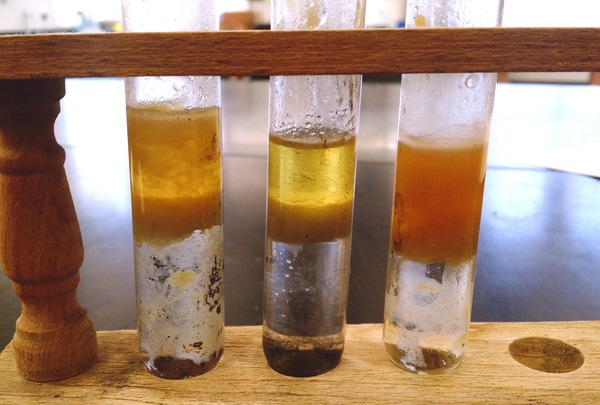
Plastic pollution and energy shortages are pressing issues in today’s world. The authors examined whether waste plastic pyrolysis fuels are similar to conventional diesel and, thus, a plausible alternative fuel. Results showed that waste plastic pyrolysis fuels did not match up to diesel overall, though several fuels came close in calorific value.
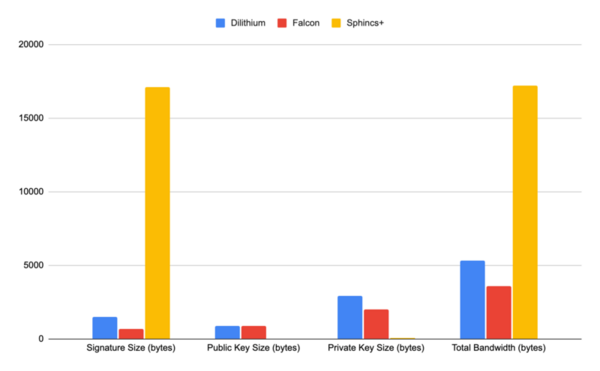
The advent of quantum computing will pose a substantial threat to the security of classical cryptographic methods, which could become vulnerable to quantum-based attacks. In response to this impending challenge, the field of post-quantum cryptography has emerged, aiming to develop algorithms that can withstand the computational power of quantum computers. This study addressed the pressing concern of classical cryptographic methods becoming vulnerable to quantum-based attacks due to the rise of quantum computing. The emergence of post-quantum cryptography has led to the development of new resistant algorithms. Our research focused on four quantum-resistant algorithms endorsed by America’s National Institute of Standards and Technology (NIST) in 2022: CRYSTALS-Kyber, CRYSTALS-Dilithium, FALCON, and SPHINCS+. This study evaluated the security, performance, and comparative attributes of the four algorithms, considering factors such as key size, encryption/decryption speed, and complexity. Comparative analyses against each other and existing quantum-resistant algorithms provided insights into the strengths and weaknesses of each program. This research explored potential applications and future directions in the realm of quantum-resistant cryptography. Our findings concluded that the NIST algorithms were substantially more effective and efficient compared to classical cryptographic algorithms. Ultimately, this work underscored the need to adapt cryptographic techniques in the face of advancing quantum computing capabilities, offering valuable insights for researchers and practitioners in the field. Implementing NIST-endorsed quantum-resistant algorithms substantially reduced the vulnerability of cryptographic systems to quantum-based attacks compared to classical cryptographic methods.
The authors investigate the negative effects stress has on teen mental and physical health. Through a survey, they give Virginia teens a voice in revising the Health and Physical Education curriculum to include a standards of learning (SOL). Notably they identify factors contributing to stress levels including homework level, amount of free and sleep time, parental pressure and family encouragement.
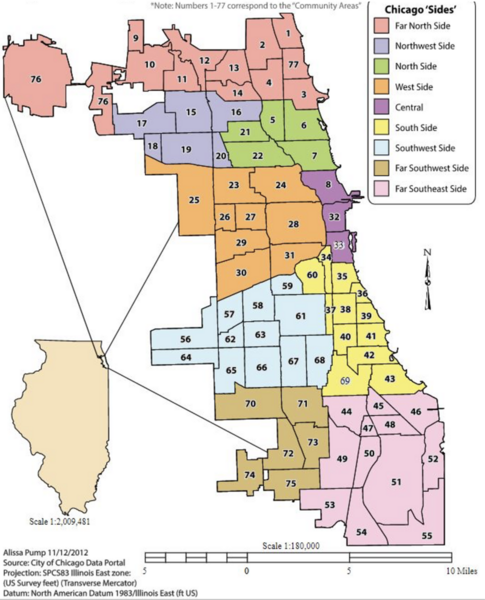
Gun violence has been a serious issue in the South Side of Chicago for a long time. To intervene, regulators have passed legislation they hoped to curb -if not completely eradicate- the issue. However, there is little analysis done on how effective the various laws have been at reducing gun violence. Here the authors explore the association between firearm purchase laws passed between 1993-2018 and the incidence of gun homicide in Chicago's South Side. Their analysis suggests that some laws have been more effective than others, while some might have exacerbated the issue. However, they do not consider other contributing factors, which makes it difficult to prove causation without further investigation.
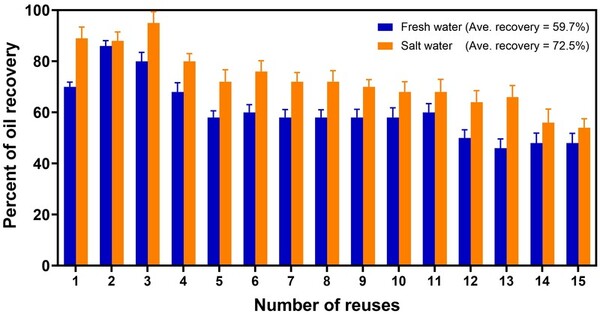
In this study the authors looked at sustainable ways to clean up oil spills that harm marine life. Using water spangle leaves and milk week the authors looked at the ability to recovery oil from both fresh and salt water and the ability to reuse the organic material to clean up spills. Their results show promise to help find a sustainable, eco-friendly way to clean up oil spills and protect marine life and habitats.
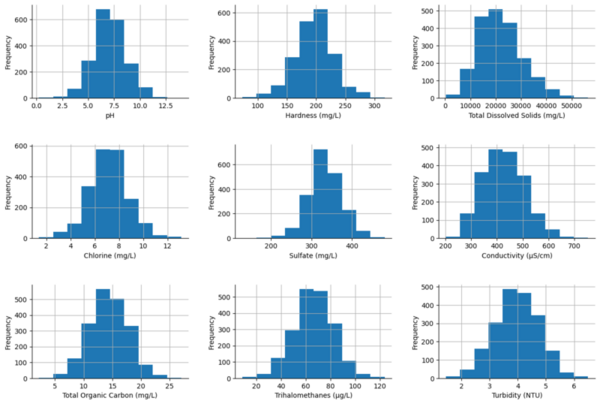
The global issue of water quality has led to the use of machine learning models, like ANN and SVM, to predict water potability. However, these models can be complex and resource-intensive. This research aimed to find a simpler, more efficient model for water quality prediction.