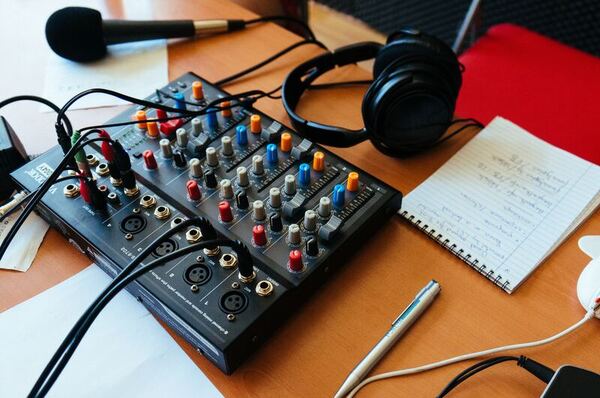
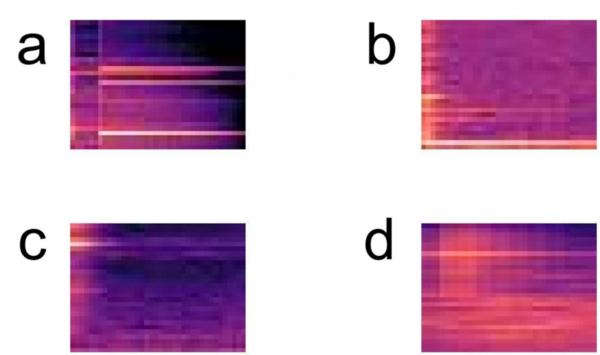
Here, the authors investigated methods to reduce noise in audio composed of real-word sounds. They specifically used two spectral subtraction noise reduction algorithms: stationary and non-stationary finding notable differences in noise improvements depending on the noise sources.
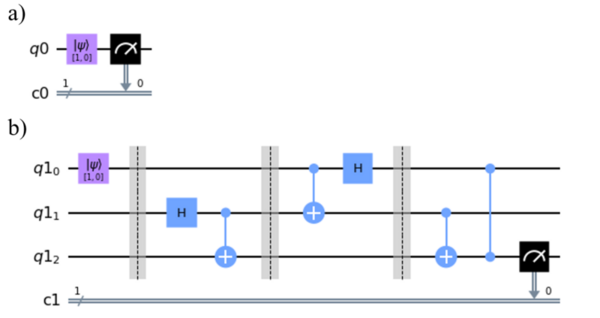
In quantum computing, noise disrupts experimental results, particularly affecting the quantum teleportation algorithm used to transfer qubit states. This study explores how noise impacts this algorithm across different platforms—a perfect simulation, a noisy simulation, and real hardware.
Image credit: Chunduri, Srinivas and McMahan, 2024.
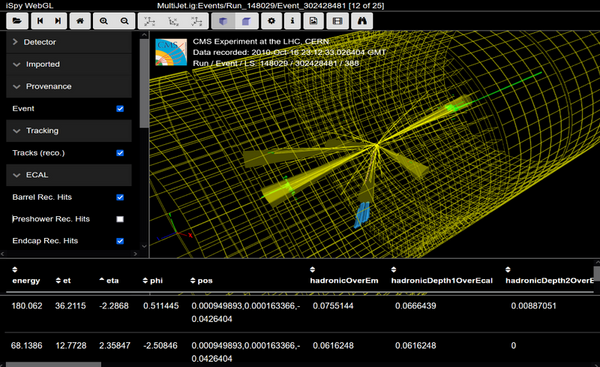
Collisions of heavy ions, such as muons result in jets and noise. In high-energy particle physics, researchers use jets as crucial event-shaped observable objects to determine the properties of a collision. However, many ionic collisions result in large amounts of energy lost as noise, thus reducing the efficiency of collisions with heavy ions. The purpose of our study is to analyze the relationships between properties of muons in a dimuon collision to optimize conditions of dimuon collisions and minimize the noise lost. We used principles of Newtonian mechanics at the particle level, allowing us to further analyze different models. We used simple Python algorithms as well as linear regression models with tools such as sci-kit Learn, NumPy, and Pandas to help analyze our results. We hypothesized that since the invariant mass, the energy, and the resultant momentum vector are correlated with noise, if we constrain these inputs optimally, there will be scenarios in which the noise of the heavy-ion collision is minimized.
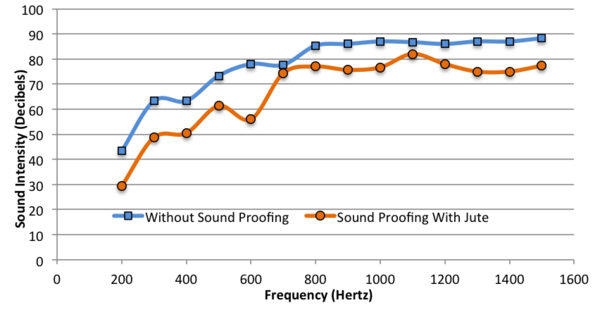
Noise pollution negatively impacts the health and behavioral routines of humans and other animals, but the production of synthetic sound-absorbing materials contributes to harmful gas emissions into the atmosphere. The authors of this paper investigated the effectiveness of environmentally-friendly, cheap natural-fiber materials, such as jute, as replacements for synthetic materials, such as gypsum and foam, in soundproofing.
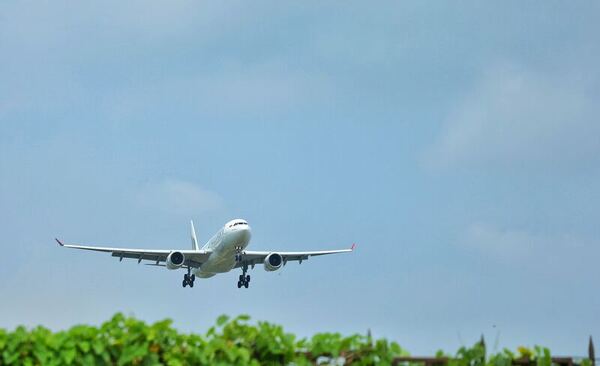
Greenspaces (urban and wetland areas that contain vegetation) are beneficial to reducing pollution, while airplanes are a highly-polluting method of transportation. The authors examine the intersection of these two environmental factors by processing satellite images to reveal what percentage of flight paths go over greenspaces at major US airports.
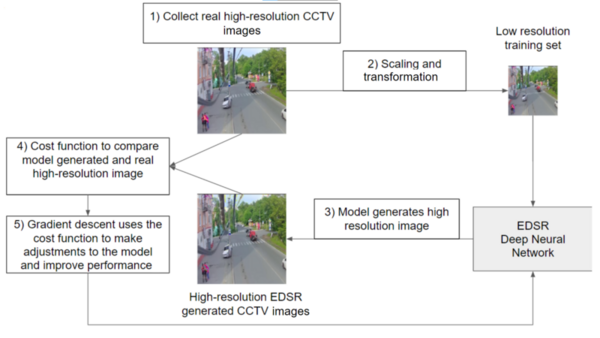
In this study, the authors hypothesized that closed-circuit television images could be stored with improved resolution by using enhanced deep residual (EDSR) networks.
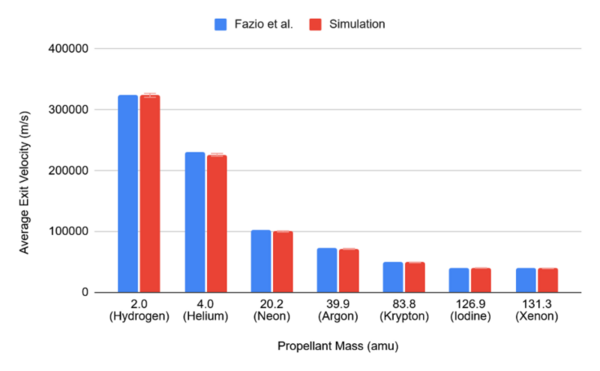
The authors used a particle-in-cell simulation to determine the effects on extensive and intensive metrics. They found that preliminary simulations could be run quickly with much lower particle counts before more technically demanding and comprehensive simulations are performed.
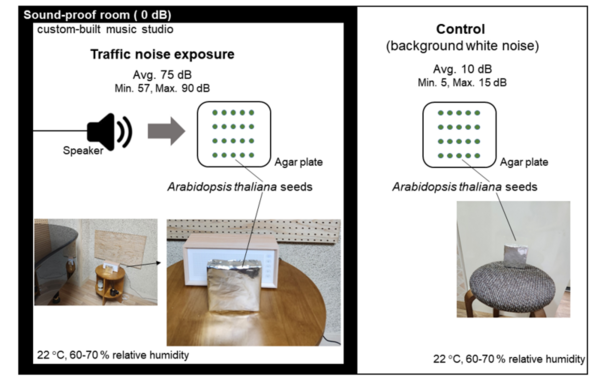
This article explores the largely unstudied impact of noise pollution on plant life. By exposing Arabidopsis thaliana seedlings to urban traffic noise, the study found a significant increase in seedling growth, alongside substantial changes in gene expression. This research reveals critical insights into how noise pollution affects plant physiology and contributes to a broader understanding of its ecological impacts, helping to guide future efforts in ecosystem conservation.
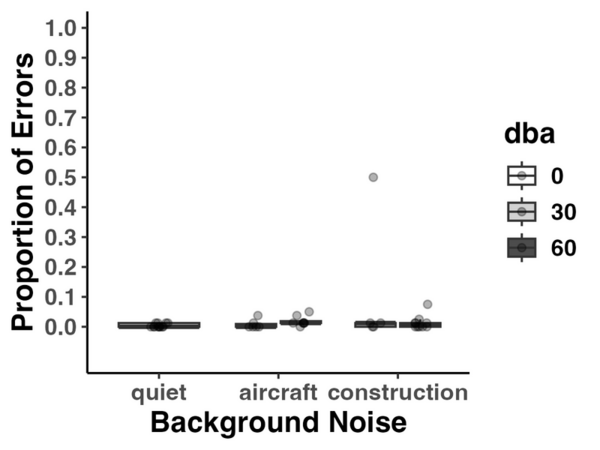
Authors examine the impact of environmental noise on cognitive processes in teenagers, focusing on five different noise conditions: two types of noise (aircraft and construction) at two different decibel levels (30 dBA and 60 dBA) and a quiet condition.
The authors test different machine learning algorithms to remove background noise from audio to help people with hearing loss differentiate between important sounds and distracting noise.