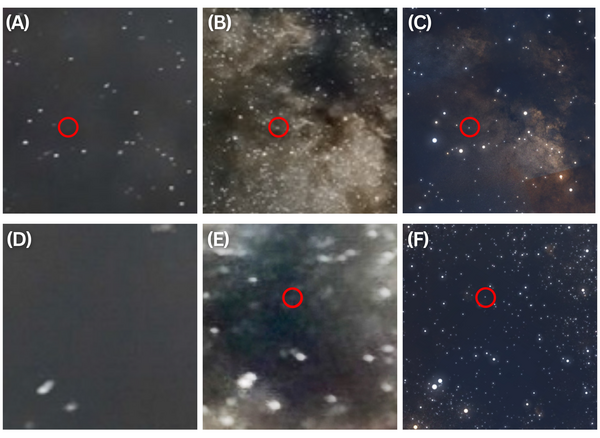
The authors investigated the impact of light pollution on astrophotography.
Read More...The impact of light pollution on astrophotography and visual astronomy in varying environments
Effects of urban traffic noise on the early growth and transcription of Arabidopsis thaliana
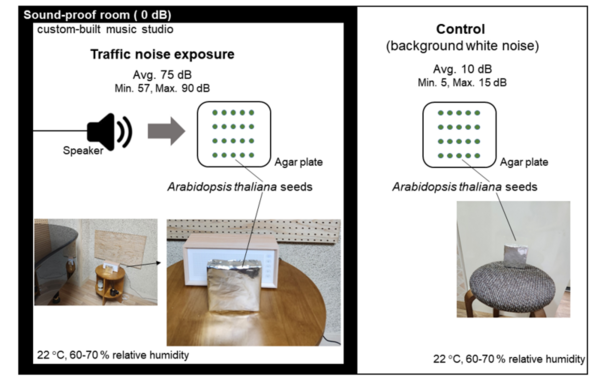
This article explores the largely unstudied impact of noise pollution on plant life. By exposing Arabidopsis thaliana seedlings to urban traffic noise, the study found a significant increase in seedling growth, alongside substantial changes in gene expression. This research reveals critical insights into how noise pollution affects plant physiology and contributes to a broader understanding of its ecological impacts, helping to guide future efforts in ecosystem conservation.
Read More...Integration of iron oxide nanoparticles into high-density polyethylene for sustainable cup coatings
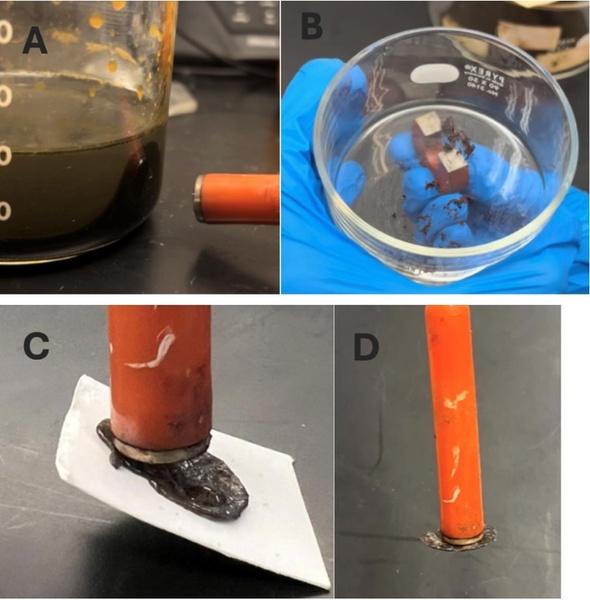
Here the authors propose integrating magnetic iron (II) oxide nanoparticles into the high-density polyethylene linings of disposable paper cups to create a waterproof, magnetically responsive composite liner. Their findings demonstrate that these nanoparticles successfully bond with the plastic layer without disrupting its structural integrity, offering a viable method to improve plastic recovery through magnetic recycling and mitigate global microplastic pollution.
Read More...Differential physiological response of microalgae exposed to petroleum- and bio-based microplastics
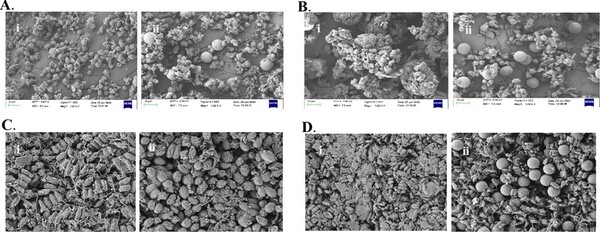
The authors test the effect of petroleum-based and bio-based microplastics on the growth of two microalgae species.
Read More...Cleaning up the world’s oceans with underwater laser imaging
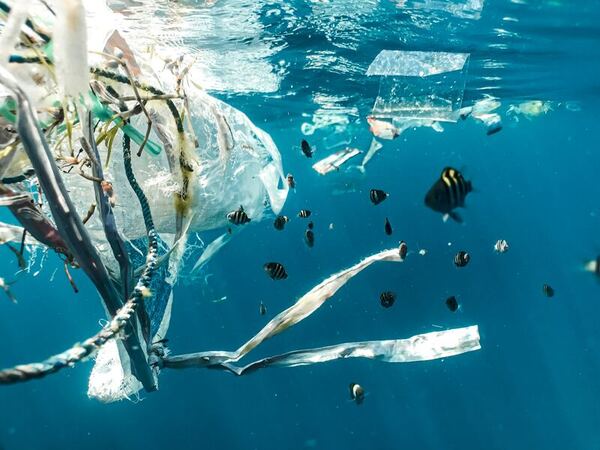
Here recognizing the growing amount of plastic waste in the oceans, the authors sought to develop and test laser imaging for the identification of waste in water. They found that while possible, limitations such as increasing depth and water turbidity result in increasing blurriness in laser images. While their image processing methods were somewhat insufficient they identified recent methods to use deep learning-based techniques as a potential avenue to viability for this method.
Read More...A novel filtration model for microplastics using natural oils and its application to the environment
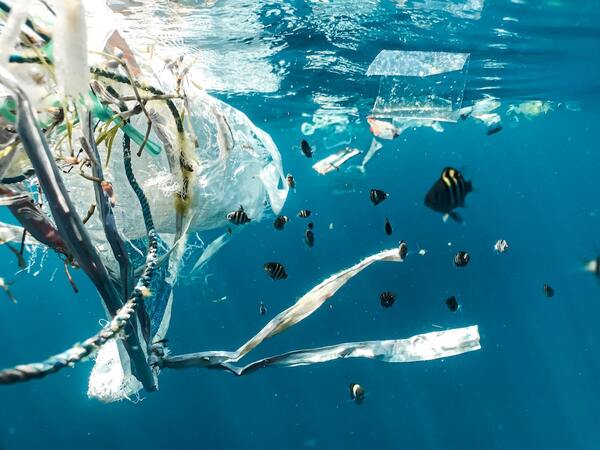
Recognizing the need for a method to filter microplastics from polluted water the authors sought to use nonpolar solvents, palm oil and palm kernel oil, to filter microplastics out of model seawater. By relying on the separation of polar and nonpolar solvents followed by freezing the nonpolar solvent, they reported that microplastics could be extracted with percentages ranging from 96.2% to 94.2%. They also provided an estimation to use this method as part of container ships to clean the Pacific Ocean of microplastics.
Read More...How planarians are affected by mouthwash and cough syrup
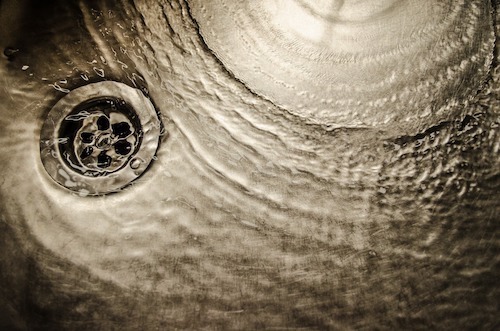
Since cough syrup and mouthwash are commonly used items and often end up flushed down the drain or toilet, they can eventually find their way into into freshwater waterways which can be harmful to many marine organisms, such as planarians (aquatic flatworms). To investigate the effects of these substances on planarians, the authors considered different concentrations of Listerine mouthwash and Robitussin syrup along with their active ingredients. By using a behavioral assay, they identified that the active ingredients of cough syrup detrimentally affect planarian behavior. They suggest that these findings could be used to guide disposal methods to lessen detrimental effects on aquatic life.
Read More...Effects of various alkaline carbonic solutions on the growth of the freshwater algae Chlorophyceae
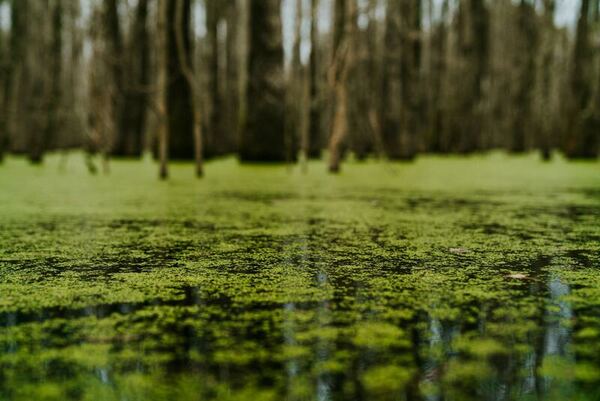
Modern day fossil fuels are prone to polluting our environment, which can provide major habitat loss to many animals in our ecosystems. Algae-based biofuels have become an increasingly popular alternative to fossil fuels because of their sustainability, effectiveness, and environmentally-friendly nature. To encourage algae growth and solidify its role as an emerging biofuel, we tested basic (in terms of pH) solutions on pond water to determine which solution is most efficient in inducing the growth of algae.
Read More...Examining Heat Recovery from Electric Light Bulbs Using Thermoelectric Generators
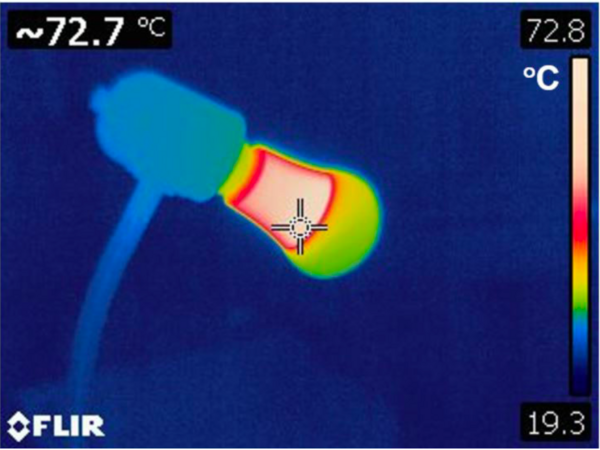
Here the author investigates how much heat energy is output and recovered from a conventional electric light bulb.
Read More...What Can You See in the Dark? The Effects of Contrast, Light, and Age on Contrast Sensitivity in Low Light

Many of us take our vision for granted, but rarely do we measure how well we can see. In this study, the authors investigate the ability of people of different ages to read progressively fainter letters in dark light. They find that the ability to see in dim light drops drastically after age 30. The ability to read fainter letters worsens after age 30 as well. These findings should help inform lighting decisions everywhere from restaurants to road signs.
Read More...