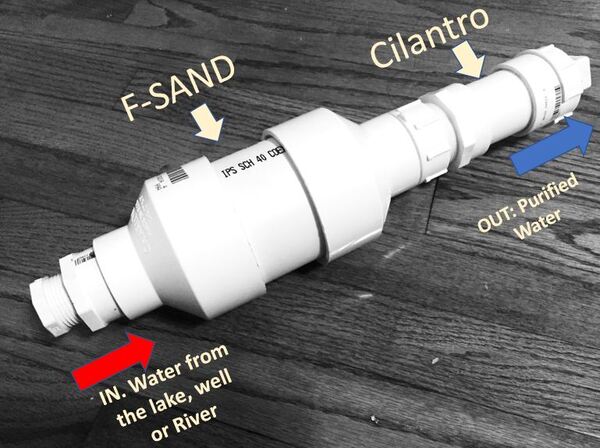
In this study, the authors investigate whether Moringa Oleifera seeds can serve as material to aid in purifying water. M. oleifera seeds have coagulating properties and the authors hypothesized that including it in a water filtration system would reduce particles, specifically bacteria, in water. Their results show that this system removed the largest percent of bacteria. When used in combination with cilantro, it was actually more efficient than the other techniques! These findings have important implications for creating better and more economical water purification systems.
Read More...Browse Articles
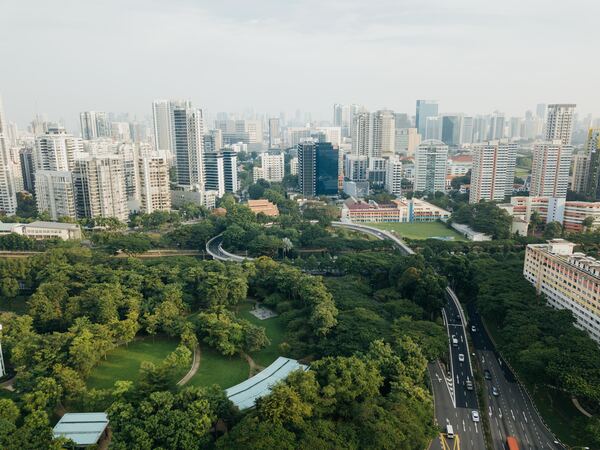
Mathematical modeling of plant community composition for urban greenery plans
Here recognizing the importance of urban green space for the health of humans and other organisms, the authors investigated if mathematical modeling can be used to develop an urban greenery management plan with high eco-sustainability by calculating the composition of a plant community. They optimized and tested their model against green fields in a Beijing city park. Although the compositions predicted by their models differed somewhat from the composition of testing fields, they conclude that by using a mathematical model such as this urban green space can be finely designed to be ecologically and economically sustainable.
Read More...Evaluating Biomarkers and Treatments for Acute Kidney Injury in a Zebrafish Model
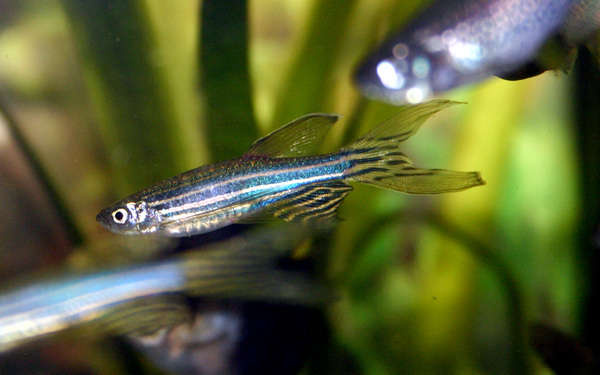
Coronary Artery Disease (CAD) is the leading cause of death in the United States, and 81% of Acute Kidney Injury (AKI) patients in the renal fibrosis stage later develop CAD. In this study, Mathew and Joykutty aimed to create a cost-effective strategy to treat AKI and thus prevent CAD using a model of the zebrafish, Danio rerio. They first tested whether AKI is induced in Danio rerio upon exposure to environmental toxins, then evaluated nitrotyrosine as an early biomarker for toxin-induced AKI. Finally, they evaluated 4 treatments of renal fibrosis, the last stage of AKI, and found that the compound SB431542 was the most effective treatment (reduced fibrosis by 99.97%). Their approach to treating AKI patients, and potentially prevent CAD, is economically feasible for translation into the clinic in both developing and developed countries.
Read More...Mapping QTLs for Popping Ability in a Popcorn × Dent Maize Genetic Cross
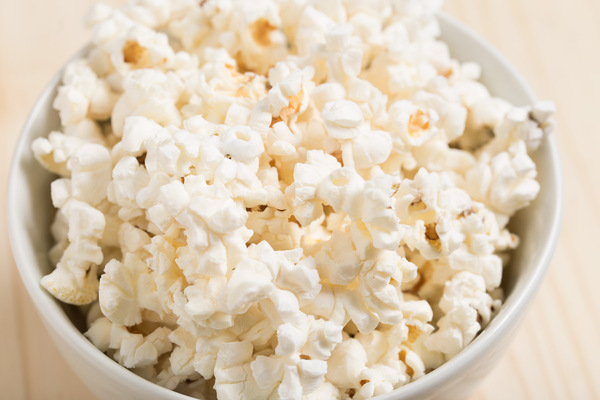
Have you ever wondered what contributes to the popping ability of popcorn? In this study, the authors use Quantitative Trait Locus (QTL) mapping to identify genes that may contribute to specific popping characteristics including kernel size and popping expansion volume (PEV).
Read More...The Mount Laurel doctrine: A case study in housing affordability and the labor market in New Jersey
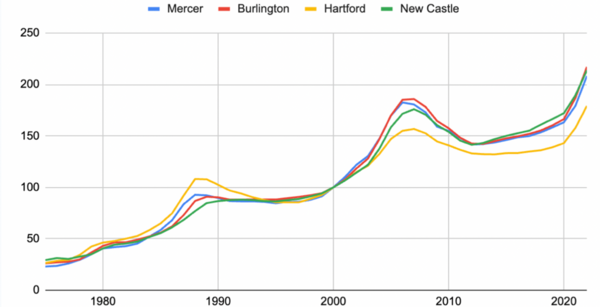
The authors explored the effects of the Mount Laurel Doctrine on housing affordability, unemployment rate, and civilian labor force in Burlington County, New Jersey compared to nearby counties.
Read More... A low-cost method for purification of agricultural wastewater based on S. platensis
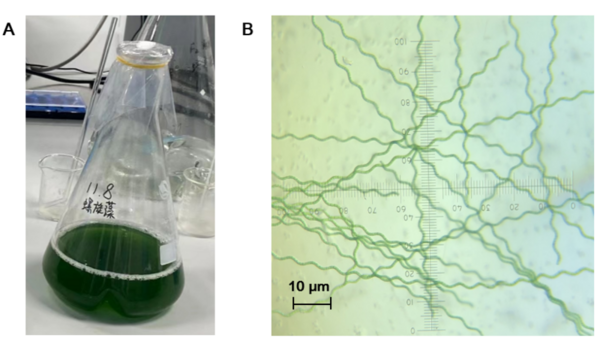
The authors looked at the ability of Spirulina platensis to reduce contaminants in wastewater in order to develop a more accessible treatment option. They found that S platensis did reduce the concentration of pollutants present within simulated agricultural wastewater.
Read More...Wind Resistance and Automobile Shapes
Energy efficiency is becoming more important as we struggle to find better, more sustainable energy sources to power our planet; the car industry is no exception. In this article, the authors examine the effect of shape on automobile aerodynamics By finding the shape that makes cars less resistant to wind, and therefore more energy efficient, can help the automobile industry make better, more eco-friendly cars that are also cheaper to operate.
Read More...Analysis of the catalytic efficiency of spent coffee grounds and titanium dioxide using UV-Vis spectroscopy
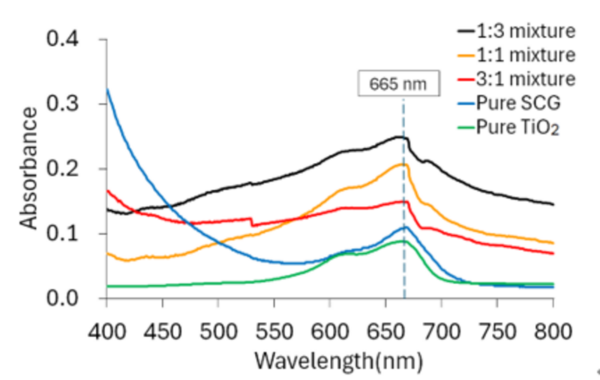
This paper looks at using spent coffee grounds as a partial substitute for titanium dioxide (TiO2) as a catalyst for chemical reactions. Using UV-Vis spectrophotometry, they found that adding the coffee grounds to TiO2 in a 3:1 ratio, there is still meaningful catalytic activity. This offers a cheaper solution than just using pure TiO2.
Read More...Testing Simarouba amara’s therapeutic effects against weedicide-induced tumor-like morphology in planarians
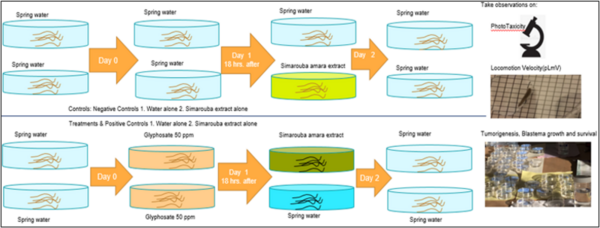
According to the World Health Organization, cancer is a leading cause of death globally. The disease’s prevalence is rapidly increasing in association with factors including the increased use of pesticides and herbicides, such as glyphosate, which is one of the most widely used herbicide ingredients. Natural antioxidants and phytochemicals are being tested as anti-cancer agents due to their antiproliferative, antioxidative, and pro-apoptotic properties. Thus, we aimed to investigate the potential role of S. amara extract as a therapeutic agent against glyphosate-induced toxicity and tumor-like morphologies in regenerating and homeostatic planaria (Dugesia dorotocephala).
Read More...SOS-PVCase: A machine learning optimized lignin peroxidase with polyvinyl chloride (PVC) degrading properties
The authors looked at the primary structure of lignin peroxidase in an attempt to identify mutations that would improve both the stability and solubility of the peroxidase protein. The goal is to engineer peroxidase enzymes that are stable to help break down polymers, such as PVC, into monomers that can be reused instead of going to landfills.
Read More...