Browse Articles

Identifying shark species using an AlexNet CNN model

Sarwal et al. | Sep 23, 2024

Identifying shark species using an AlexNet CNN model

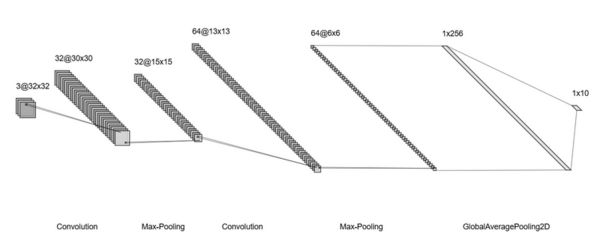
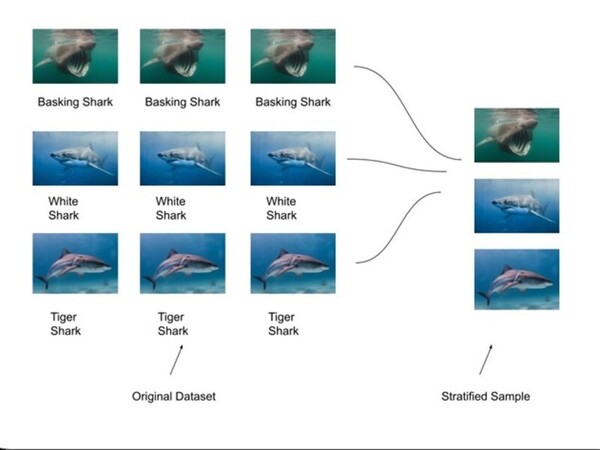
The challenge of accurately identifying shark species is crucial for biodiversity monitoring but is often hindered by time-consuming and labor-intensive manual methods. To address this, SharkNet, a CNN model based on AlexNet, achieved 93% accuracy in classifying shark species using a limited dataset of 1,400 images across 14 species. SharkNet offers a more efficient and reliable solution for marine biologists and conservationists in species identification and environmental monitoring.

Read More...

Solubility of graphite and the efficacy of using its dissolved form as a conductive paste

Kirby et al. | Aug 23, 2024

Solubility of graphite and the efficacy of using its dissolved form as a conductive paste

This study explored the use of graphite's conductivity for circuit boards by creating a conductive paste through exfoliation with organic solvents and sonication. The combination of acetone and sonication was found to be the most effective, producing a high-conductivity paste with desirable properties such as a low boiling point. While not a replacement for wires, this conductive paste has potential applications in electronics and infrastructure, provided that key engineering challenges are addressed.

Read More...

Deciphering correlation and causation in risk factors for heart disease with Mendelian randomization

Singh et al. | Feb 08, 2023

Deciphering correlation and causation in risk factors for heart disease with Mendelian randomization
Image credit: Robina Weermeijer

Here, seeking to identify the risk of coronary artery disease (CAD), a major cause of cardiovascular disease, the authors used Mendelian randomization. With this method they identified several traits such as blood pressure readings, LDL cholesterol and BMI as significant risk factors. While other traits were not found to be significant risk factors.

Read More...

An improved video fingerprinting attack on users of the Tor network

Srikanth et al. | Mar 31, 2022

An improved video fingerprinting attack on users of the Tor network

The Tor network allows individuals to secure their online identities by encrypting their traffic, however it is vulnerable to fingerprinting attacks that threaten users' online privacy. In this paper, the authors develop a new video fingerprinting model to explore how well video streaming can be fingerprinted in Tor. They found that their model could distinguish which one of 50 videos a user was hypothetically watching on the Tor network with 85% accuracy, demonstrating that video fingerprinting is a serious threat to the privacy of Tor users.

Read More...

Willingness to visit the pediatric dentist during the COVID-19 pandemic

Rossitch et al. | Mar 24, 2022

Willingness to visit the pediatric dentist during the COVID-19 pandemic

Because of the COVID-19 pandemic, people are missing important appointments because they are viewed as nonessential, possibly including children's pediatric dentist appointments. This study aims to determine how the COVID-19 pandemic has effected parents' willingness to allow children to visit pediatric dental practices and what safety measures would make them feel more comfortable visiting the dentist. The authors found a weak positive correlation between parents' unwillingness to allow their child to visit the dentist, however overall anxiety towards visiting the dentist during the pandemic was low.

Read More...