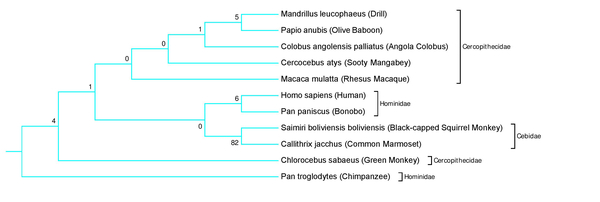
Human intelligence is correlated with variation in the protein neuroplastin-65, which is encoded by the NPTN gene. The authors examine the evolution of this gene across different animal species.
Read More...Evolution of Neuroplastin-65
Human intelligence is correlated with variation in the protein neuroplastin-65, which is encoded by the NPTN gene. The authors examine the evolution of this gene across different animal species.
Read More...Mapping QTLs for Popping Ability in a Popcorn × Dent Maize Genetic Cross
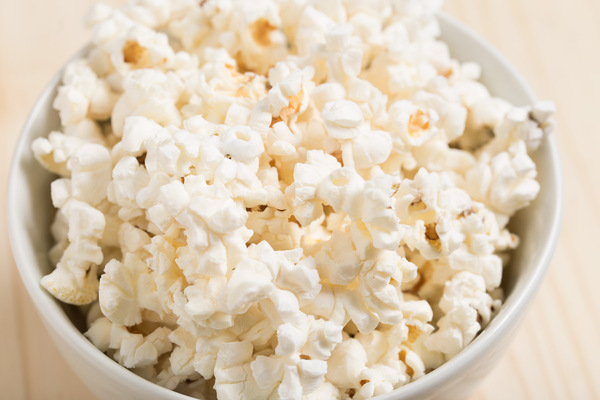
Have you ever wondered what contributes to the popping ability of popcorn? In this study, the authors use Quantitative Trait Locus (QTL) mapping to identify genes that may contribute to specific popping characteristics including kernel size and popping expansion volume (PEV).
Read More...Levering machine learning to distinguish between optimal and suboptimal basketball shooting forms
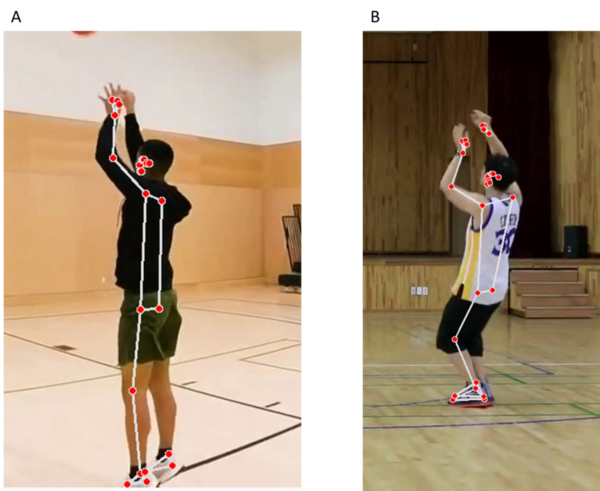
The authors looked at different ways to build computational resources that would analyze shooting form for basketball players.
Read More...Effects of different synthetic training data on real test data for semantic segmentation
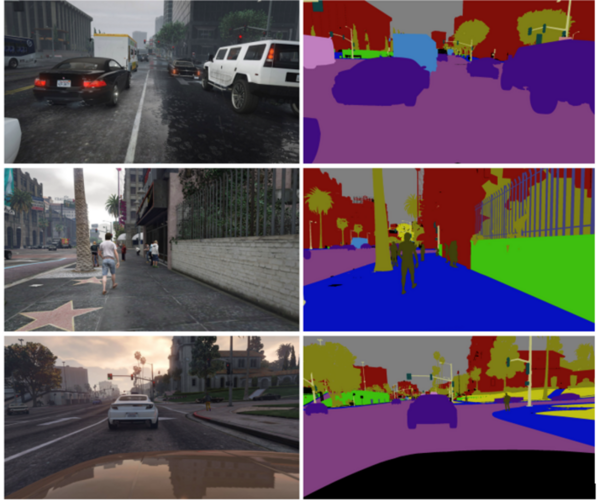
Semantic segmentation - labelling each pixel in an image to a specific class- models require large amounts of manually labeled and collected data to train.
Read More...Transfer Learning for Small and Different Datasets: Fine-Tuning A Pre-Trained Model Affects Performance
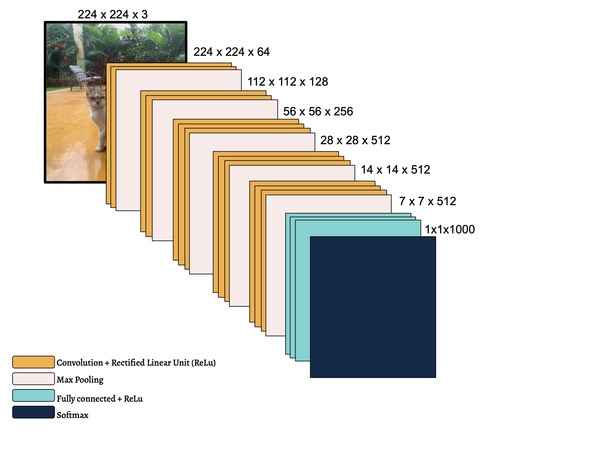
In this study, the authors seek to improve a machine learning algorithm used for image classification: identifying male and female images. In addition to fine-tuning the classification model, they investigate how accuracy is affected by their changes (an important task when developing and updating algorithms). To determine accuracy, a set of images is used to train the model and then a separate set of images is used for validation. They found that the validation accuracy was close to the training accuracy. This study contributes to the expanding areas of machine learning and its applications to image identification.
Read More...Stress-induced genetic memory inheritance and retention in Planarian biological model
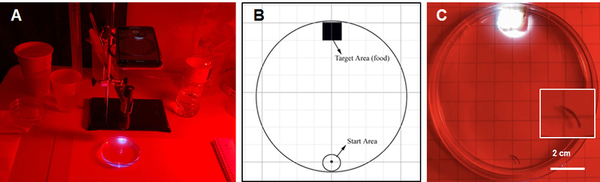
This study explored whether planaria, known for their regenerative abilities, can retain learned memories after regeneration and how stressors like alcohol affect memory.
Read More...Modeling Hartree-Fock approximations of the Schrödinger Equation for multielectron atoms from Helium to Xenon using STO-nG basis sets
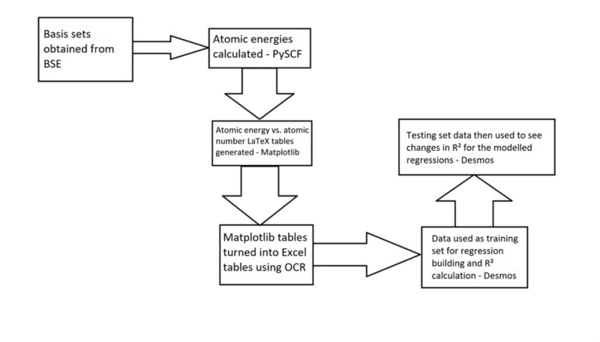
The energy of an atom is extremely useful in nuclear physics and reaction mechanism pathway determination but is challenging to compute. This work aimed to synthesize regression models for Pople Gaussian expansions of Slater-type Orbitals (STO-nG) atomic energy vs. atomic number scatter plots to allow for easy approximation of atomic energies without using computational chemistry methods. The data indicated that of the regressions, sinusoidal regressions most aptly modeled the scatter plots.
Read More...Large Language Models are Good Translators
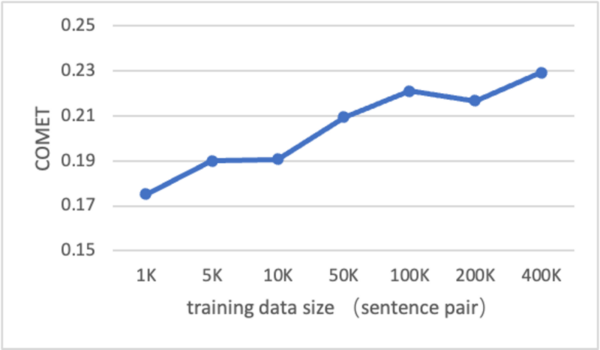
Machine translation remains a challenging area in artificial intelligence, with neural machine translation (NMT) making significant strides over the past decade but still facing hurdles, particularly in translation quality due to the reliance on expensive bilingual training data. This study explores whether large language models (LLMs), like GPT-4, can be effectively adapted for translation tasks and outperform traditional NMT systems.
Read More...Student work preferences: Typing or handwriting in the digital era
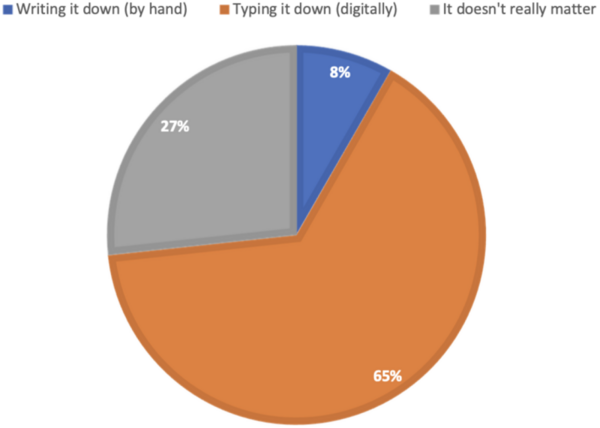
The authors survey high school students regarding preferences for taking notes by hand versus typing.
Read More...Comparing traveling salesman problem algorithms to chart delivery routes in a city
.png)
The authors studied optimized delivery routes to reduce travel times using different traveling salesman algorithms.
Read More...