
The authors assess the relationship between supportive family environments and internalized stigma in adolescents.
Read More...Social and psychosocial factors associated with mood states among adolescents: A questionnaire-based study
The authors assess the relationship between supportive family environments and internalized stigma in adolescents.
Read More...Simulating single versus cocktail antibiotic effects on the human gut microbiome

This study, uses SimulATe to model changes in microbial diversity and community structure upon administering a cocktail of antibiotics versus a single antibiotic. The authors hypothesized that antibiotic cocktails, particularly those combining broad-spectrum drugs like tetracyclines and trimethoprims, would cause a more significant reduction in gut microbial diversity compared to single-drug treatments. The findings confirmed a greater loss of microbial diversity with combinatorial treatments compared to single-drug treatments. While individual antibiotics dynamically reshaped the surviving species of the microbiome, antibiotic cocktails frequently cleared all species of the gut microbiome.
Read More...De novo design of a dual-target inhibitor against tau phosphorylation and acetylation for Alzheimer's therapy
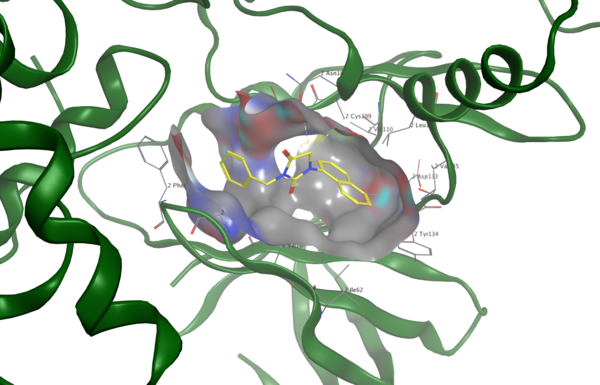
The authors use computational methods to compare tau acetylation to the better studied tau phosphorylation in Alzheimer's disease and then design and computationally test a new drug to prevent abnormal post-translational modifications of tau.
Read More...Antioxidative properties of Taiwanese high mountain tea infusions
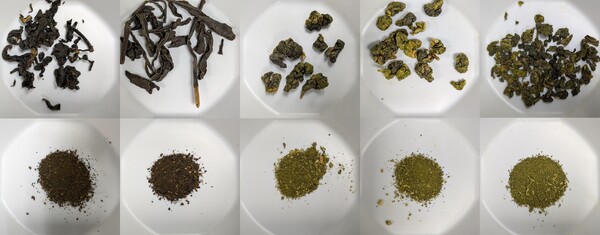
The authors test the antioxidant content of Taiwanese high mountain teas grown in or processed under differing conditions.
Read More...Exotropia detection using computer vision, image processing and facial landmark detection
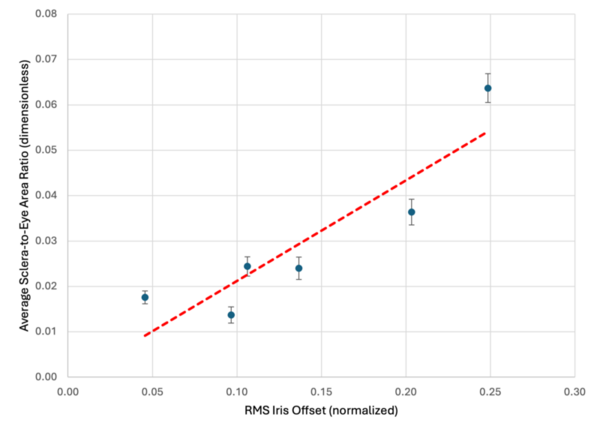
The authors looked at using computer vision to evaluate the degree of exotropia in individuals with strabismus.
Read More...Optimizing tennis strategy: a data-driven analysis of point importance
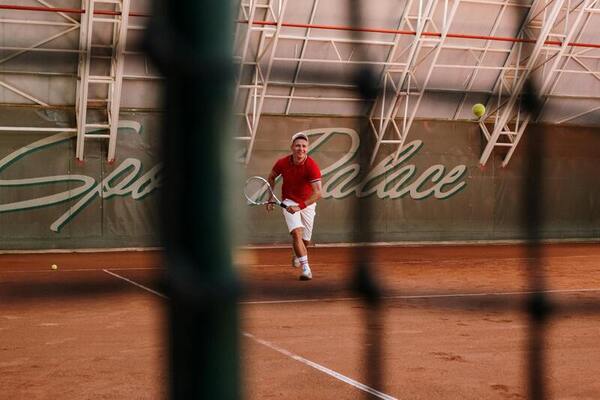
The authors looked at the importance of different point breakdowns needed to win in a game of tennis.
Read More...Quantifying natural recovery of dopamine deficits induced by chronic stress
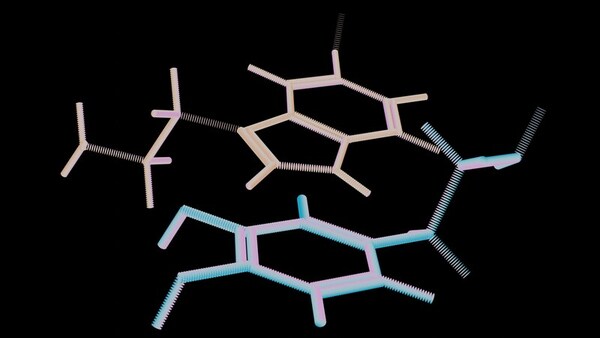
Here the authors investigated the natural recovery of stress-induced dopamine-related gene deficits in C. elegans by measuring the expression of cat-2 (dopamine biosynthesis) and sod-2 (oxidative stress) following exposure to starvation or hydrocortisone. They found that the reversibility of sod-2 and the expression of cat-2 were highly dependent on the type and severity of the stressor, suggesting that the body's natural ability to recover from dopamine dysfunction has biological limitations.
Read More...The effects of varied N-acetylcysteine concentration and electronegativity on bovine mucus hydrolysis
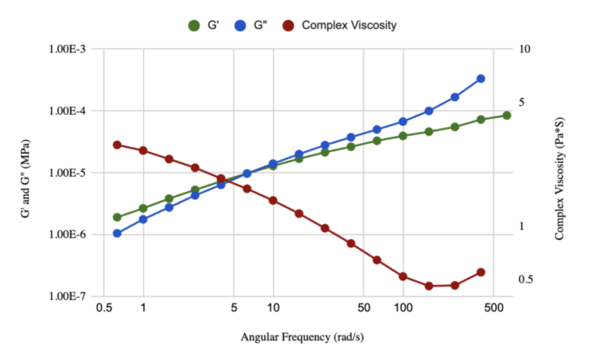
The authors evaluated the effect of concentration and variant of N-Acetylcysteine in hydrolyzing mucus.
Read More...Identifying anxiety and burnout from students facial expressions and demographics using machine learning
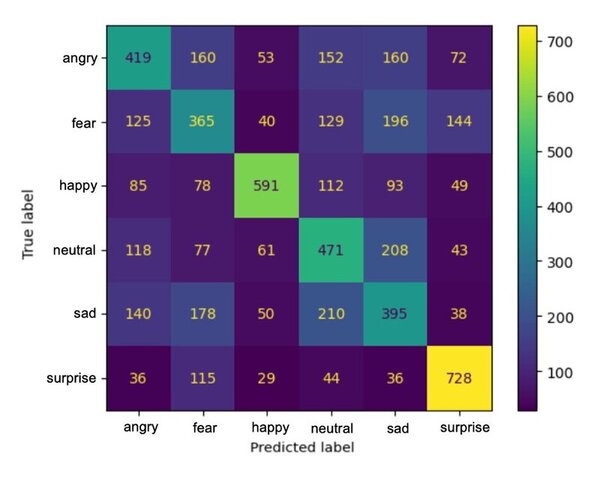
The authors used machine learning to predict the presence of anxiety and burnout in students based on facial expressions and demographic information.
Read More...Cutibacterium acnes sequence space topology implicates recA and guaA as potential virulence factors
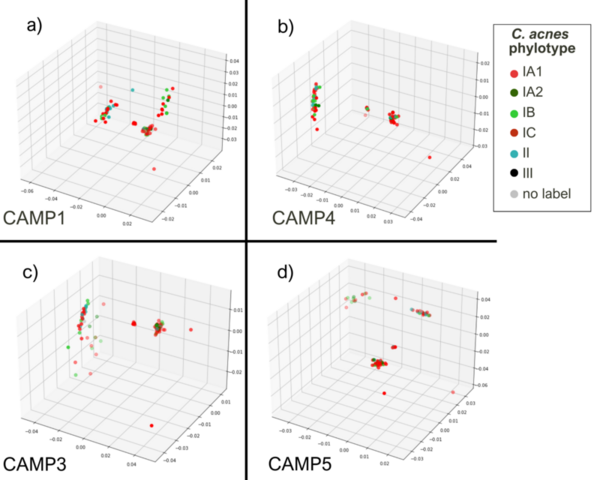
Cutibacterium acnes is a bacterium believed to play an important role in the pathogenesis of common skin diseases such as acne vulgaris. Currently, acne is known to be associated with strains from the type IA1 and IC clades of C. acnes, while those from the type IA2, IB, II, and III phylogroups are associated with skin health. This is the first study to explore the sequence space of individual gene products of different C. acnes phylogroups. Our analysis compared the sequence space topology of virulence factors to proteins with unknown functions and housekeeping proteins. We hypothesized that sequence space features of virulence factors are different from housekeeping protein features, which potentially provides an avenue to deduce unknown proteins’ functions. This proposition should be confirmed based on further experimental outcomes. A notable similarity in the sequence spaces’ topological features of previously known as housekeeping proteins encoded by recA and guaA genes to ‘putative virulence’ genes camp2 and tly was observed. Our research suggests further investigation of recA and guaA’s potential virulence properties to better understand acne pathogenesis and develop more targeted acne treatments.
Read More...