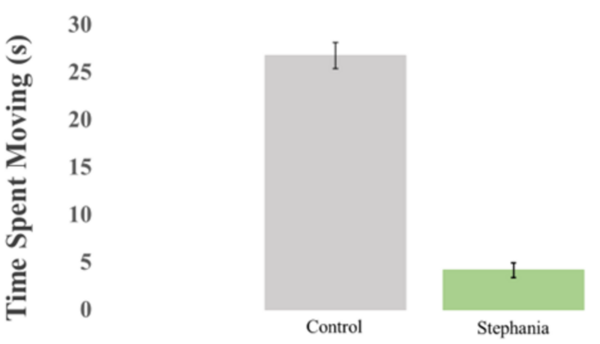
In this study the authors looked at the extract of Stephania tetrandra and its impact on symptoms related to obsessive compulsive disorder in fruit flies.
Read More...Administration of Stephania tetrandra to Drosophila melanogaster to create obsessive compulsive disorder model
In this study the authors looked at the extract of Stephania tetrandra and its impact on symptoms related to obsessive compulsive disorder in fruit flies.
Read More...Evaluating the feasibility of SMILES-based autoencoders for drug discovery
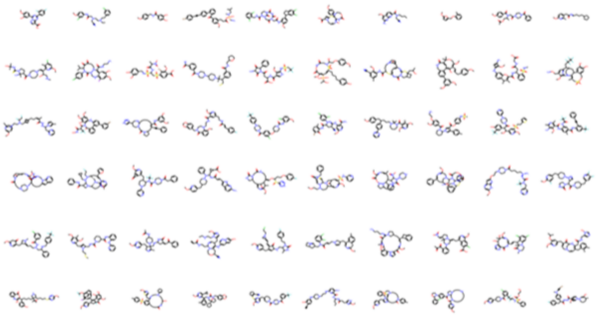
The authors investigate the ability of machine learning models to developing new drug-like molecules by learning desired chemical properties versus simply generating molecules that similar to those in the training set.
Read More...Modeling the heart’s reaction to narrow blood vessels
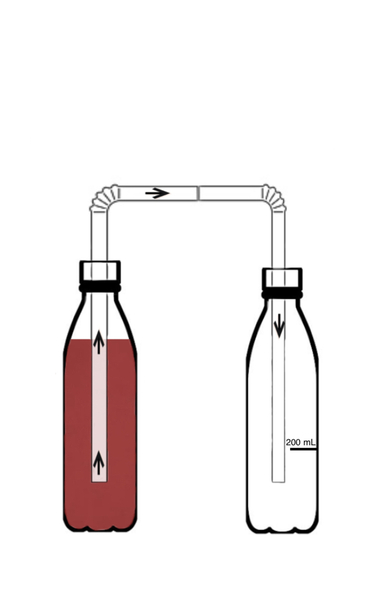
Cardiovascular diseases are the largest cause of death globally, making it a critical area of focus. The circulatory system is required to make the heart function. One component of this system is blood vessels, which is the focus of our study. Our work aims to demonstrate the numeric relationship between a blood vessel's diameter and the number of pumps needed to transport blood.
Read More...An analysis of the feasibility of SARIMAX-GARCH through load forecasting

The authors found that SARIMAX-GARCH is more accurate than SARIMAX for load forecasting with respect to energy consumption.
Read More...Risk assessment modeling for childhood stunting using automated machine learning and demographic analysis
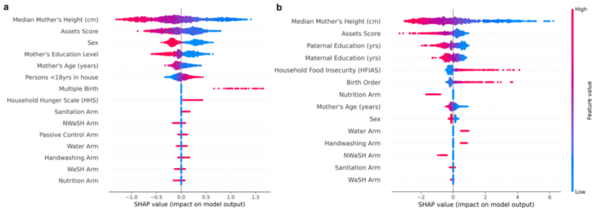
Over the last few decades, childhood stunting has persisted as a major global challenge. This study hypothesized that TPTO (Tree-based Pipeline Optimization Tool), an AutoML (automated machine learning) tool, would outperform all pre-existing machine learning models and reveal the positive impact of economic prosperity, strong familial traits, and resource attainability on reducing stunting risk. Feature correlation plots revealed that maternal height, wealth indicators, and parental education were universally important features for determining stunting outcomes approximately two years after birth. These results help inform future research by highlighting how demographic, familial, and socio-economic conditions influence stunting and providing medical professionals with a deployable risk assessment tool for predicting childhood stunting.
Read More...Do trumpet players have a greater expiratory capacity than those who do not play a wind instrument?

With healthy lung performance being critical to daily function and maintenance of physical health, the authors of this study explored the impact of airflow training from playing a wind instrument on respiratory system function. With careful quantification of peak expiratory flow of individuals who played the trumpet, the authors found no expiratory capacity difference between students who played the trumpet and students who did not play a wind instrument.
Read More...Are alkaline spices the future of antibiotics?
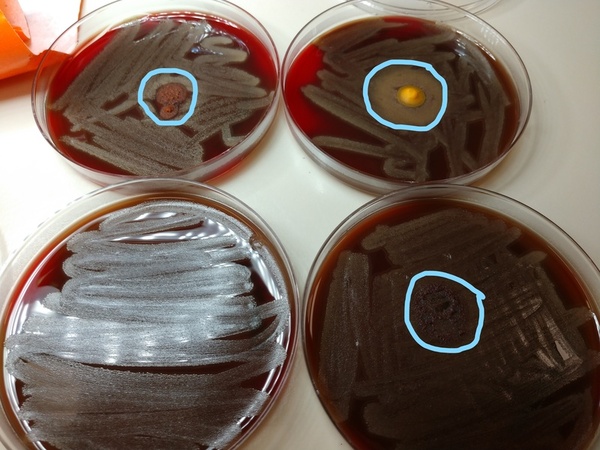
The authors experimented with several commonly available alkaline spices (turmeric, cayenne pepper, and cinnamon) to study their antimicrobial properties, hypothesizing that alkaline spices would have antimicrobial activity. Results showed a zone of inhibition of bacterial growth, with the largest zone of inhibition being around turmeric, followed by cayenne pepper, and the smallest around cinnamon. These results are impactful, as common alkaline spices generally do show antibacterial properties and both bacteriostatic and bactericidal effects correlated with degree of alkalinity.
Read More...Psychosocial impact of home-based learning among students during the COVID-19 Pandemic in Singapore

In this study, the authors surveyed a number of students in Singapore to determine how their experiences changed after the implementation of home-based learning during the COVID-19 pandemic.
Read More...Exercise, grades, stress, and learning experiences during remote learning due to the COVID-19 pandemic

In this study, the authors survey middle and high school students in different states in the U.S. to evaluate stress levels, learning experiences, and activity levels during the COVID-19 pandemic.
Read More...Evaluation of Microplastics in Japanese Fish Using Visual and Chemical Dissections
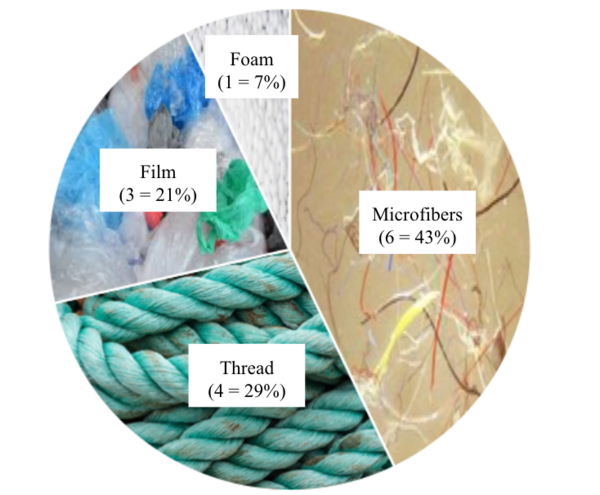
Does the overuse of plastic in Japan poses an ecological risk to marine species and their consumers? Using visual and chemical dissection, all fish in this study were found to have microplastics present in their gastrointestinal tract, including two species that are typically eaten whole in Japan. Overall, these results are concerning as previous studies have found that microplastics can carry persistent organic pollutants. It is presumed that the increasing consumption of microplastics will have negative implications on organ systems such as the liver, gut, and hormones.
Read More...