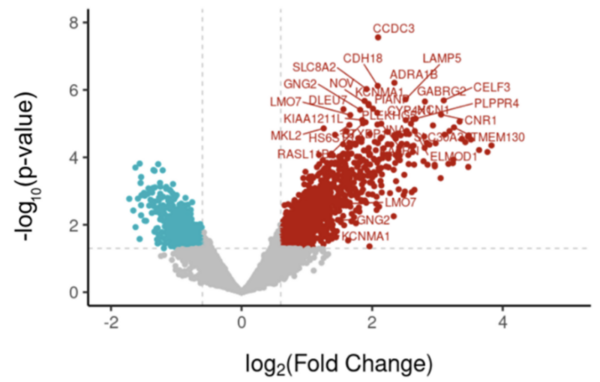
The authors looked at genes that were differentially expressed in patients who had and had not had febrile seizures to determine what differences in gene expression existed.
Read More...Gene expression analysis of febrile seizure’s impact on mesial temporal lobe epilepsy
The authors looked at genes that were differentially expressed in patients who had and had not had febrile seizures to determine what differences in gene expression existed.
Read More...The correlation between bacteria and colorectal cancer
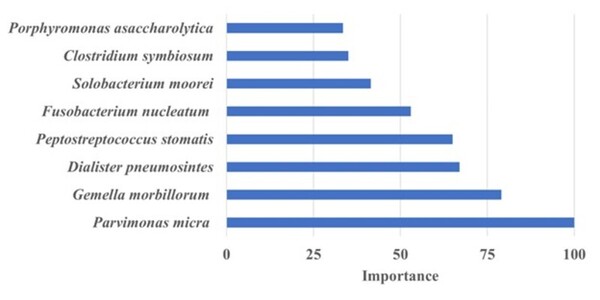
The authors looked at abundance of bacteria in stool samples from patients with colorectal cancer compared to controls. They found different bacteria that was more prevalent in patients with colorectal cancer as well as bacteria in control patients that may indicate a beneficial gut microbiome.
Read More...Using CRISPR technology to inhibit the replication of human cytomegalovirus by deletion of a gene promoter

Human cytomegalovirus (HCMV) causes serious infections in immunocompromised patients and therapies to inhibit latent HCMV are not developed. Using CRISPR/Cas9, the authors were able to delete an important promoter region in HCMV.
Read More...Machine Learning Algorithm Using Logistic Regression and an Artificial Neural Network (ANN) for Early Stage Detection of Parkinson’s Disease

Despite the prevalence of PD, diagnosing PD is expensive, requires specialized testing, and is often inaccurate. Moreover, diagnosis is often made late in the disease course when treatments are less effective. Using existing voice data from patients with PD and healthy controls, the authors created and trained two different algorithms: one using logistic regression and another employing an artificial neural network (ANN).
Read More...The Effect of Neem on Common Nosocomial Infection-Causing Organisms

Nosocomial infections acquired in hospitals pose a risk to patients, a risk compounded by resistant microorganisms. To combat this problem, researchers have turned to bioactive compounds from medicinal plants such as the widely used neem. In the present study, researchers sought to determine the effectiveness of different neem preparations against several hospital acquired human pathogens. Neem powder in water successfully inhibited microorganism growth making it a potential agent to combat these infections.
Read More...The Role of Temporal Lobe Epilepsy in Cardiac Structure and Function
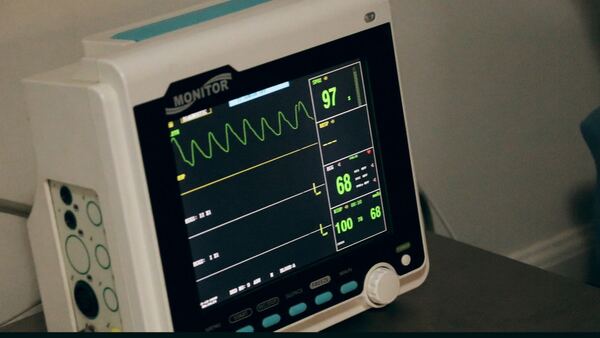
Cardiac autonomic and structural changes may occur in temporal lobe epilepsy patients and contribute to the risk of sudden unexpected death in epilepsy patients. Choi and colleagues reviewed clinical charts to obtain patients’ lifetime seizure count, antiepileptic drug use, and history of heart disease, followed by transthoracic echocardiogram to calculate left ventricle dimensions, ejection fraction, and left ventricle mass. By comparing epilepsy patients to control subjects, they found that epilepsy patients had thinner left ventricle walls and smaller ejection fraction, but with no significant difference in left ventricle mass.
Read More...The Feasibility of Mixed Reality Gaming as a Tool for Physical Therapy Following a Spinal Cord Injury
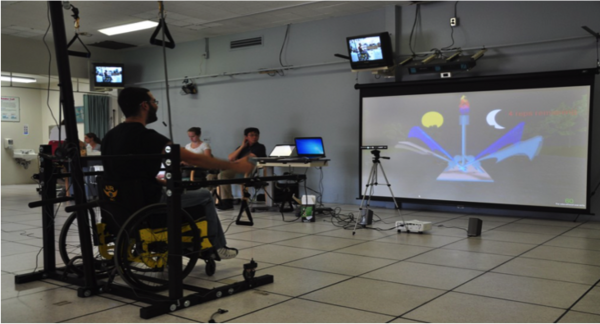
Physical therapy, especially for patients with spinal cord injuries, can be a difficult and tedious experience. This can result in negative health outcomes, such as patients dropping out of physical therapy or developing additional health problems. In this study, the authors develop and test a potential solution to these challenges: a mixed reality game called Skyfarer that replaces a standard physical therapy regimen with an immersive experience that can be shared with their friends and family. The findings of this study suggest that mixed reality games such as Skyfarer could be effective alternatives to conventional physical therapy.
Read More...A comparison of use of the mobile electronic health record by medical providers based on clinical setting

The electronic health record (EHR), along with its mobile application, has demonstrated the ability to improve the efficiency and accuracy of health care delivery. This study included data from 874 health care providers over a 12-month period regarding their usage of mobile phone (EPIC® Haiku) and tablet (EPIC® Canto) mEHR. Ambulatory and inpatient care providers had the greatest usage levels over the 12-month period. Awareness of workflow allows for optimization of mEHR design and implementation, which should increase mEHR adoption and usage, leading to better health outcomes for patients.
Read More...Testing HCN1 channel dysregulation in the prefrontal cortex using a novel piezoelectric silk neuromodulator
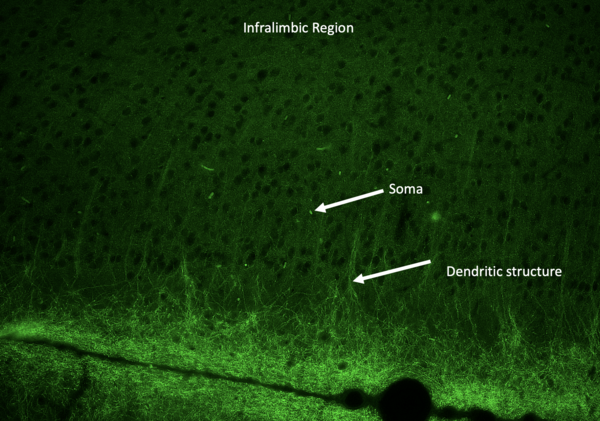
Although no comprehensive characterization of schizophrenia exists, there is a general consensus that patients have electrical dysfunction in the prefrontal cortex. The authors designed a novel piezoelectric silk-based implant and optimized electrical output through the addition of conductive materials zinc oxide (ZnO) and aluminum nitride (AlN). With further research and compatibility studies, this implant could rectify electrical misfiring in the infralimbic prefrontal cortex.
Read More...A Quantitative Assessment of Time, Frequency, and Time-frequency Algorithms for Automated Seizure Detection and Monitoring
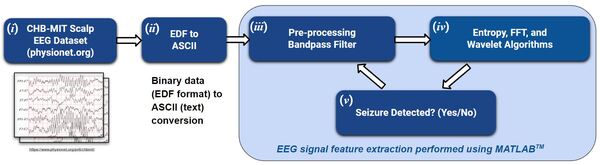
Each year, over 100,000 patients die from Sudden Unexpected Death in Epilepsy (SUDEP). A reliable seizure warning system can help patients stay safe. This work presents a comprehensive, comparative analysis of three different signal processing algorithms for automated seizure/ictal detection. The experimental results show that the proposed methods can be effective for accurate automated seizure detection and monitoring in clinical care.
Read More...