Browse Articles

Failure of colony growth in probiotic Lactobacillus casei Shirota as result of preservative sorbic acid

Raymond et al. | May 07, 2023

Failure of colony growth in probiotic <i>Lactobacillus casei</i> Shirota as result of preservative sorbic acid

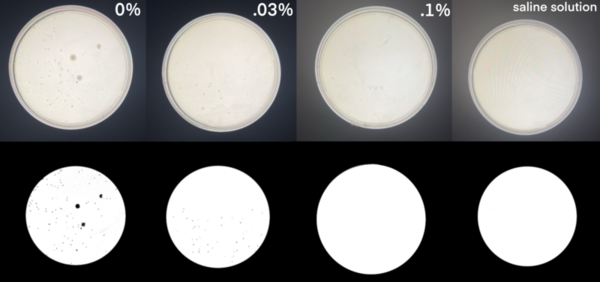
This study tested the proficiency of different concentrations of the antimicrobial sorbic acid to inhibit the probiotic Lactobacillus casei Shirota. It was hypothesized that sorbic acid’s use as a bacterial deterrent would also target this bacterial strain of Lactobacillus. The results supported the hypothesis, with the colony count of L. casei Shirota having significant decreases at all concentrations of sorbic acid. These results additionally suggest that even under the FDA sorbic acid restrictions of 0.03% concentration, damaging effects could be seen in L. casei Shirota.

Read More...

A land use regression model to predict emissions from oil and gas production using machine learning

Cao et al. | Mar 24, 2023

A land use regression model to predict emissions from oil and gas production using machine learning

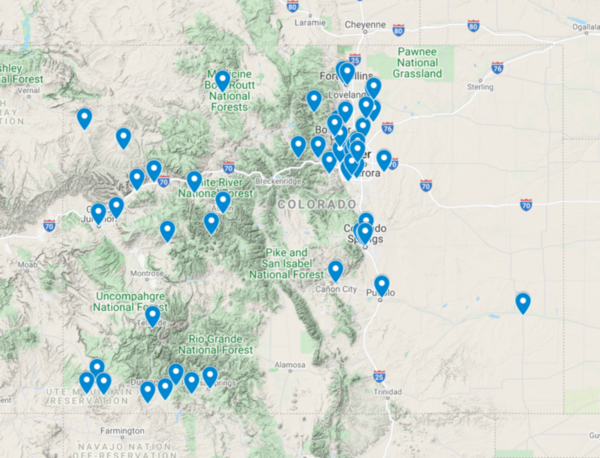
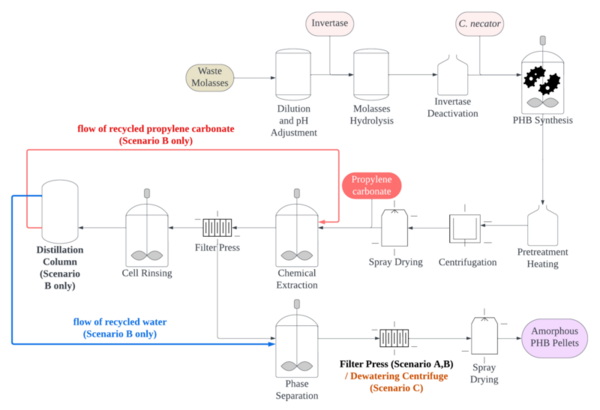
Emissions from oil and natural gas (O&G) wells such as nitrogen dioxide (NO2), volatile organic compounds (VOCs), and ozone (O3) can severely impact the health of communities located near wells. In this study, we used O&G activity and wind-carried emissions to quantify the extent to which O&G wells affect the air quality of nearby communities, revealing that NO2, NOx, and NO are correlated to O&G activity. We then developed a novel land use regression (LUR) model using machine learning based on O&G prevalence to predict emissions.

Read More...

The Effects of Barley Straw (Hordeum vulgare) Extract and Barley Straw Pellets on Algal Growth and Water Quality

McHargue et al. | Oct 06, 2020

The Effects of Barley Straw (Hordeum vulgare) Extract and Barley Straw Pellets on Algal Growth and Water Quality

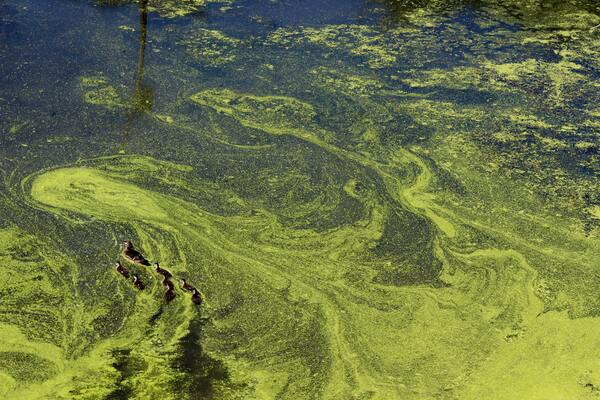
Algal overgrowth often threatens to clog irrigation pipes and drinking water lines when left unchecked, as well as releasing possible toxins that threaten plant and human health. It is thus important to find natural, non-harmful agents that can decrease algal growth without threatening the health of plants and humans. In this paper, the authors test the efficacy of barely extract in either liquid or pellet form in decreasing algal growth. While their results were inconclusive, the experimental set-up allows them to investigate a wider range of agents as anti-algal treatments that could potentially be adopted on a wider scale.

Read More...

Effects of urban traffic noise on the early growth and transcription of Arabidopsis thaliana

Kim et al. | Sep 18, 2024

Effects of urban traffic noise on the early growth and transcription of <i>Arabidopsis thaliana<i>

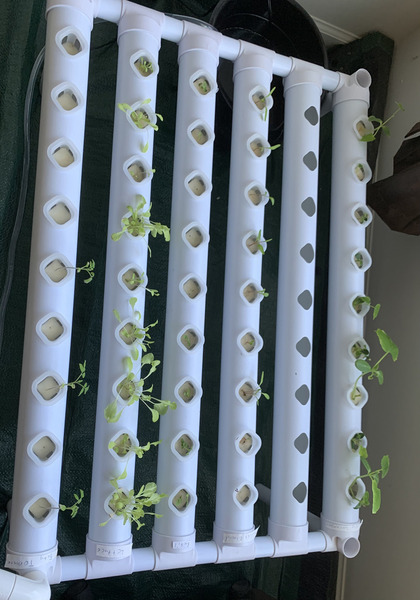
This article explores the largely unstudied impact of noise pollution on plant life. By exposing Arabidopsis thaliana seedlings to urban traffic noise, the study found a significant increase in seedling growth, alongside substantial changes in gene expression. This research reveals critical insights into how noise pollution affects plant physiology and contributes to a broader understanding of its ecological impacts, helping to guide future efforts in ecosystem conservation.

Read More...

Ramifications of natural and artificial sweeteners on the gastrointestinal system

Cowen et al. | Jun 19, 2023

Ramifications of natural and artificial sweeteners on the gastrointestinal system

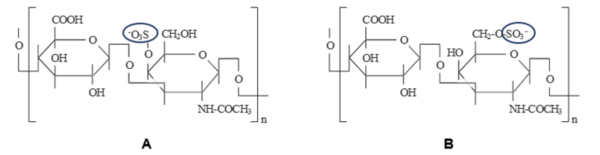
This study aimed to determine whether artificial sweeteners are harmful to the human microbiome by investigating two different bacteria found to be advantageous to the human gut, Escherichia coli and Bacillus coagulans. Results showed dramatic reduction in bacterial growth for agar plates containing two artificial sweeteners in comparison to two natural sweeteners. This led to the conclusion that both artificial sweeteners inhibit the growth of the two bacteria and warrants further study to determine if zero-sugar sweeteners may be worse for the human gut than natural sugar itself.

Read More...