The effect of chondroitin sulfate on the development of plants grown in roadside soil
(1) Edison International High School, (2) The Department of Blood Circulation of Bogomoletz Institute of Physiology of the National Academy of Sciences of Ukraine
https://doi.org/10.59720/25-249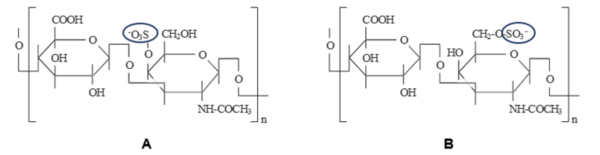
Soil contamination with heavy metals, associated with the development of transportation, can lead to the destruction of vegetation cover and the formation of “technogenic” deserts, or traffic-induced barren areas. Heavy metals catalyze the formation of reactive oxygen species, inactivate enzymes, and disrupt photosynthesis. Chondroitin sulfate (CS) is a component of connective tissue in humans and animals and is involved in the chelation of metal ions. Therefore, we aimed to study the effect of CS on the growth of bioindicator plants grown in roadside soil. We hypothesized that the introduction of CS into contaminated roadside soil would lead to a reduction in soil phytotoxicity due to the chelation of transition metal ions by CS. We showed that on the seventh day of observation, plants growing in roadside soil were smaller than those in park soil but adding CS to the roadside plants improved their growth. Also, after adding CS, the amount of chlorosis in the leaves of plants grown in roadside soil decreased, and the intensity of the catalase reaction increased. Overall, these results demonstrate the potential of CS as an environmentally relevant agent for reducing heavy metal-induced phytotoxicity in roadside soil. The proposed approach may be further developed by researchers in soil remediation and environmental sciences and applied in nature-based strategies for the restoration of degraded urban and transport-associated ecosystems.
This article has been tagged with: