Authors examine the impact of environmental noise on cognitive processes in teenagers, focusing on five different noise conditions: two types of noise (aircraft and construction) at two different decibel levels (30 dBA and 60 dBA) and a quiet condition.
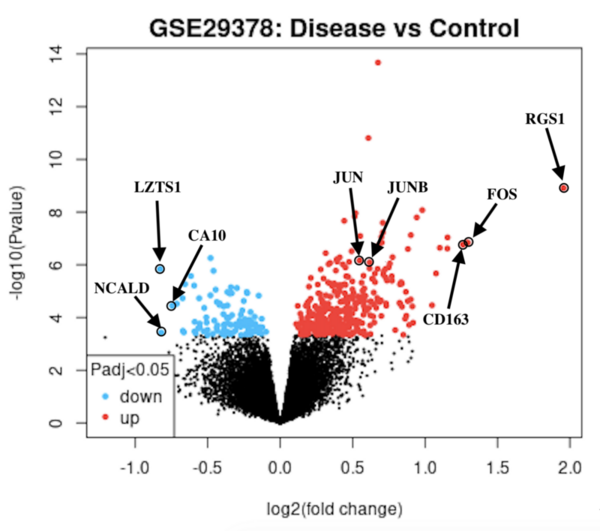
This study used an improved CMS-seq method to profile 5hmC in ormalin-fixed and paraffin-embedded (FFPE) samples from HNC tumors and adjacent normal tissues, identifying three genes (PRKD2, HADHA, and AIPL1) with promising potential as biomarkers for Head and neck cancer (HNC) diagnosis.
Asthma is one of the most prevalent chronic conditions in the United States. But not all people experience asthma equally, with factors like healthcare access and environmental pollution impacting whether children are likely to be hospitalized for asthma's effects. Li, Li, and Ruffolo investigate what demographic and environmental factors are predictive of childhood asthma hospitalization rates across Pennsylvania.
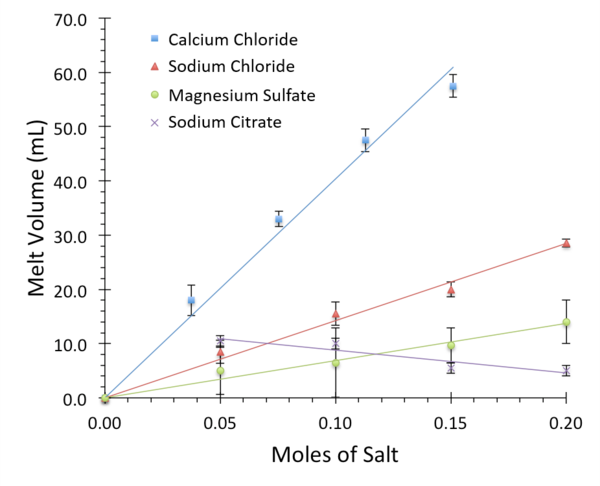
Rechargeable batteries are playing an increasingly prominent role in our lives due to the ongoing transition from fossil energy sources to green energy. The purpose of this study was to investigate variables that impact the effectiveness of rechargeable batteries. Alkaline (non-rechargeable) and rechargeable batteries share common features that are critical for the operation of a battery. The positive and negative electrodes, also known as the cathode and anode, are where the energy of the battery is stored. The electrolyte is what facilitates the transfer of cations and anions in a battery to generate electricity. Due to the importance of these components, we felt that a systematic investigation examining the surface area of the cathode and anode as well the impact of electrolytes with different properties on battery performance was justified. Utilizing a copper cathode and aluminum anode coupled with a water in salt electrolyte, a model rechargeable battery system was developed to test two hypotheses: a) increasing the contact area between the electrodes and electrolyte would improve battery capacity, and b) more soluble salt-based electrolytes would improve battery capacity. After soaking in an electrolyte solution, the battery was charged and the capacity, starting voltage, and ending voltage of each battery were measured. The results of this study supported our hypothesis that larger anode/cathodes surface areas and more ionic electrolytes such as sodium chloride, potassium chloride and potassium sulfate resulted in superior battery capacity. Incorporating these findings can help maximize the efficiency of commercial rechargeable batteries.
The authors looked at variables associated with identity fraud in the US. They found that national unemployment rate and online banking usage are among significant variables that explain identity fraud.
Coronary heart disease (CHD) is the leading cause of death in the U.S., responsible for nearly 700,000 deaths in 2021, and is marked by artery clogging that can lead to heart attacks. Traditional prediction methods require expensive clinical tests, but a new study explores using machine learning on demographic, clinical, and behavioral survey data to predict CHD.
Parkinson’s disease (PD) is a prevalent neurodegenerative disorder in the U.S., second only to Alzheimer’s disease. Current diagnostic methods are often inefficient and dependent on clinical exams. This study explored using machine and deep learning to enhance PD diagnosis by analyzing spiral drawings affected by hand tremors, a common PD symptom.
Here, in an effort to identify alternatives to oil-based plastic, the authors sought to investigate the effects of plasticizers on the mechanical properties and chemical composition of gelatin bioplastic matrices. Through measurements of their tensile strength and elongation at break, along with FTIR spectroscopy, they identified 3% w/v polyethylene glycol film as having the best performance in their study..
The authors looked at survival of honey bees over the winter in regards to native and invasive plant availability. They found that native plants provided greater survivability and overall health compared to environments where there was an abundance of invasive plants.