Browse Articles

Antibacterial effectiveness of turmeric against gram-positive Staphylococcus epidermidis

Cox et al. | Jan 10, 2022

Antibacterial effectiveness of turmeric against gram-positive <i>Staphylococcus epidermidis</i>

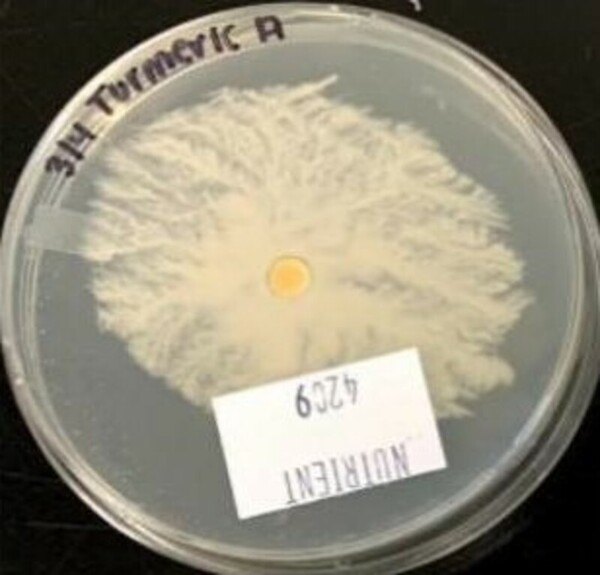
Infections caused by antibiotic resistance are a leading issue faced by the medical field. The authors studied the antibacterial effectiveness of turmeric against gram-positive Staphylococcus epidermidis using antibiotic sensitivity disks. They infused blank antibiotic sensitivity disks with a 5% concentrated solution of turmeric and placed them on agar plates inoculated with bacteria. Overall, there was no measurable ZOI surrounding the turmeric disk so the measurements for all trials were 0 cm, suggesting that turmeric at a 5% concentration is not an effective antibacterial against S. epidermidis.

Read More...
Mitigation of ultraviolet solar radiation involving calcite

Nare et al. | Oct 10, 2026

Mitigation of ultraviolet solar radiation involving calcite

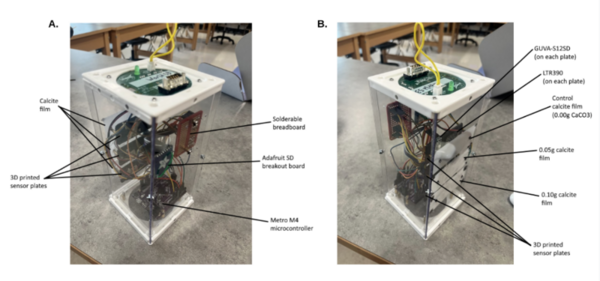
This study tested whether calcite, a safe and naturally occurring mineral, can block ultraviolet (UV) radiation when used in solar geoengineering. Students launched a high‑altitude balloon carrying UV sensors and calcite‑coated sheets to measure how much UV light passed through different calcite concentrations. Their results showed that calcite significantly reduces UV transmission, suggesting it may be a promising material for future stratospheric aerosol injection to help mitigate climate change.

Read More...

Antimicrobial properties of common household spices on microbes cultured from two kitchen locations

Carroll et al. | May 12, 2022

Antimicrobial properties of common household spices on microbes cultured from two kitchen locations

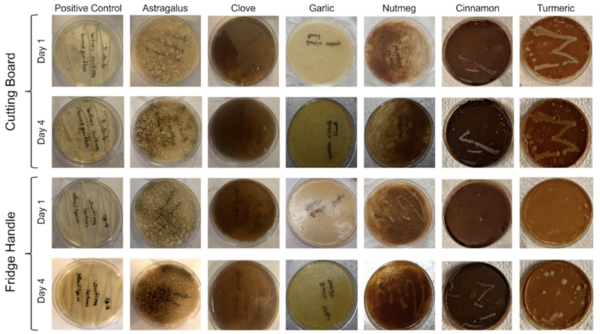
The number of bacterial infections in humans is rising, and a major contributor is foodborne illnesses, which affect a large portion of the population and result in many hospitalizations and deaths. Common household cleaners are an effective strategy to combat foodborne illness, but they are often costly and contain harmful chemicals. Thus, the authors sought to test the antimicrobial effectiveness of spices (clove, nutmeg, astragalus, cinnamon, turmeric, and garlic) on microbes cultured from refrigerator handles and cutting boards. Results from this study demonstrate long-lasting, antimicrobial effects of multiple spices that support their use as alternatives to common household cleaners.

Read More...

Antibacterial Effects of Copper Surfaces

Mulukutla et al. | May 19, 2020

Antibacterial Effects of Copper Surfaces

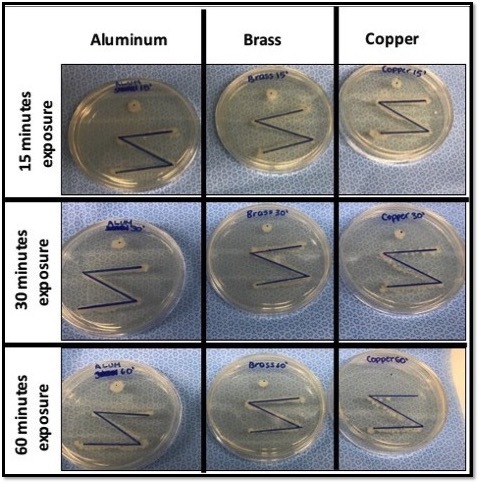
This study examined the ability of copper and copper alloy surfaces to inhibit bacterial growth, which may be help prevent healthcare-associated infections. The authors exposed two non-pathogenic strains of bacteria to different metal plates for varying degrees of time and measured bacterial growth.

Read More...

The effects of different modes of vocalization and food consumption on the level of droplet transmission of bacteria

Wong et al. | May 10, 2021

The effects of different modes of vocalization and food consumption on the level of droplet transmission of bacteria

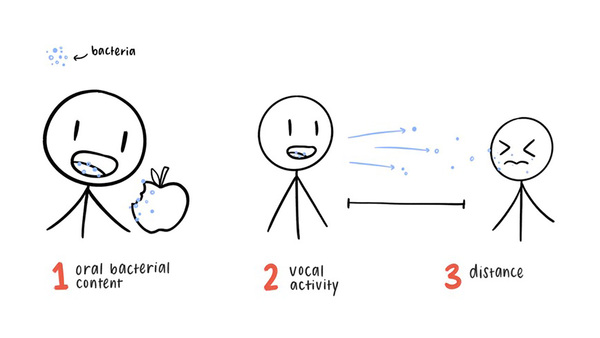
Microbial agents reposnsible for respiratory infections are often carried in spittle, which means they can be easily transmitted. Here, the authors investigate how likely certain activities are to spread microbes carried in spittle. They also investigate whether eating certain types of food might reduce the spread of spittle-borne bacteria too.

Read More...

Effect of Gram-positive bacteria on antibiotic resistance in Gram-negative bacteria

Willem et al. | Mar 12, 2024

Effect of Gram-positive bacteria on antibiotic resistance in Gram-negative bacteria

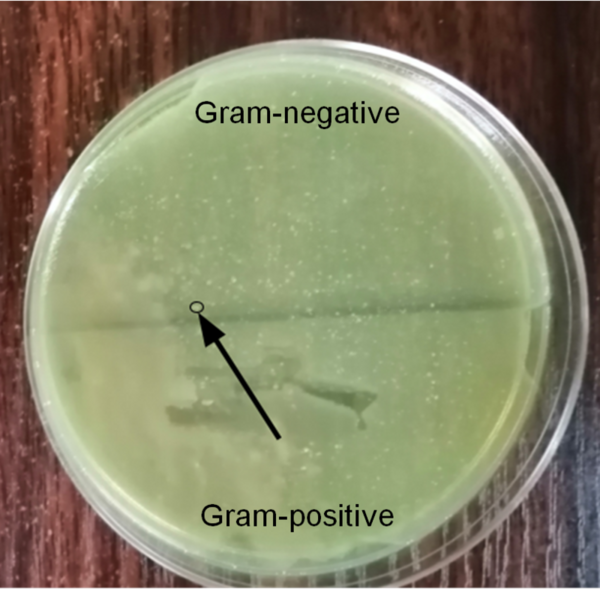
Antibiotics are one of the most common treatments for bacterial infections, but the emergence of antibiotic resistance is a major threat to the control of infectious diseases. Many factors contribute to the development of antibiotic resistance. One is bacterial conjugation from Gram-positive to Gram-negative bacteria where there is a transfer of resistance genes from Gram-positive to Gram-negative bacteria that could increase antibiotic resistance in the latter. In light of these observations, we decided to test whether Gram-negative bacteria that came into contact with Gram-positive bacteria had a higher resistance to the antimicrobial properties of spices than Gram-negative bacteria that did not come into contact with Gram-positive bacteria.

Read More...

Cocktail therapy to inhibit multispecies biofilm in cystic fibrosis patients

Bhat et al. | Sep 22, 2022

Cocktail therapy to inhibit multispecies biofilm in cystic fibrosis patients

Here, recognizing the important role of bacterial biofilms in many life-threatening chronic infections, the authors investigated the effectiveness of a combination treatment on biofilms composed of up to three different common species within the lungs of cystic fibrosis patients with computational analysis. They found that a triple cocktail therapy targeting three different signaling pathways has significant potential as both a treatment and prophylaxis.

Read More...

Evaluating the antimicrobial activity of maitake mushroom extract against Staphylococcus epidermidis

Shamsudeen et al. | Oct 06, 2024

Evaluating the antimicrobial activity of maitake mushroom extract against <i>Staphylococcus epidermidis</i>
Image credit: Guido Blokker

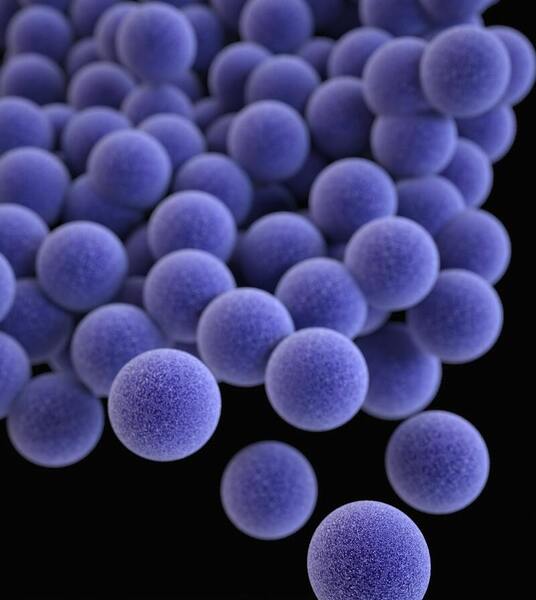
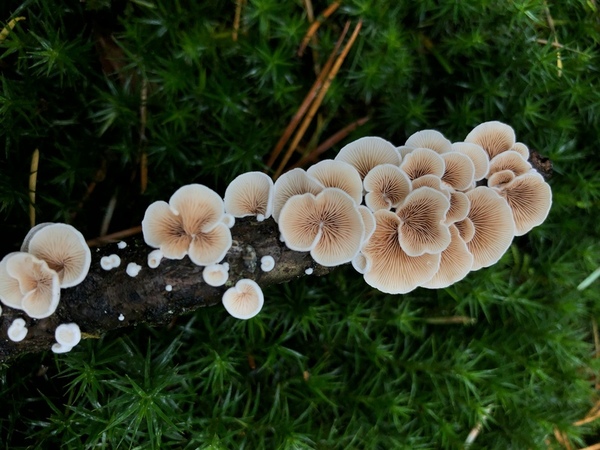
Here, seeking to explore new antimicrobial therapies, the authors investigated the antimicrobial activity of Maitake mushroom extract against Staphylococcus epidermidis, a common cause of antibiotic resistant hospital-acquired infections. They found that Maitake extract showed potent antimicrobial activity, with higher concentrations showing inhibition comparable to tetracycline.

Read More...

Antibacterial activity of homemade Indian tomato tamarind soup (rasam) against common pathogens

Eswaran et al. | Oct 04, 2024

Antibacterial activity of homemade Indian tomato tamarind soup (rasam) against common pathogens

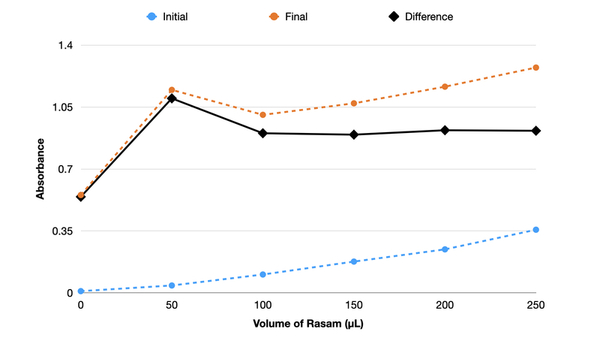
Systematic consumption of traditional foods is a popular way of treating diseases in India. Rasam, a soup of spices and tomato with a tamarind base, is a home remedy for viral infections such as the common cold. Here, we investigate if rasam, prepared under household conditions, exhibits antibacterial activity against Escherichia coli and Staphylococcus aureus, two common pathogenic bacteria. Our results show rasam prepared under household conditions lacks antibacterial activity despite its ingredients possessing such properties.

Read More...