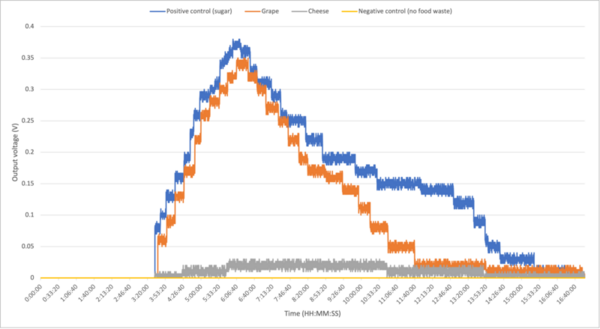
The authors look at how different food types impact the ability of bacteria to produce electricity.
Read More...The effects of food type on mediator-less microbial fuel cell electricity output
The authors look at how different food types impact the ability of bacteria to produce electricity.
Read More...A Crossover Study Comparing the Effect of a Processed vs. Unprocessed Diet on the Spatial Learning Ability of Zebrafish
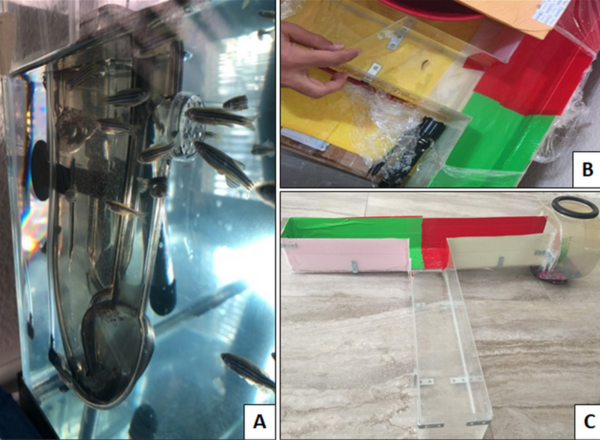
The authors compared the short-term effects of processed versus unprocessed food on spatial learning and survival in zebrafish, given the large public concern regarding processed foods. By randomly assigning zebrafish to a diet of brine shrimp flakes (processed) or live brine shrimp (unprocessed), the authors show while there is no immediate effect on a fish's decision process between the two diets, there are significant correlations between improved learning and stress response with the unprocessed diet.
Read More...Exploring Unconventional Growing Methods to Promote Healthy Growth in Common Household Plants: Tagetes patula L. and Lepidium sativum
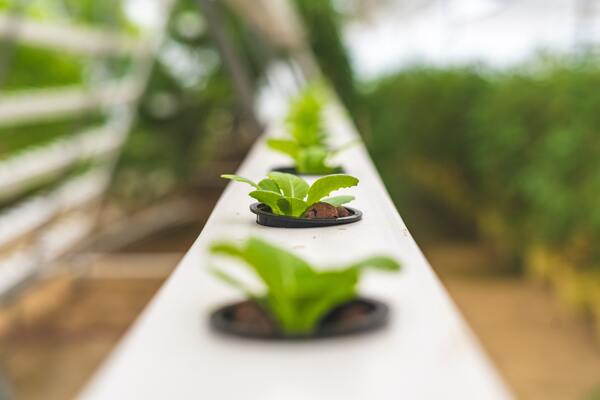
This study focused on finding more sustainable growing methods that reduce chemical fertilizer or water usage and can be used at the household level for garden plants. Metrics for healthy plant growth were height at first bloom, growing time, and survival rate. The Deep Water Culture (DWC) treatment for garden cress plants significantly increased the height at first bloom compared to the control group. For rates of surviving plants, the treatments had little effect on garden cress, but the Eggshell Grounds, Wick System, and DWC system groups outperformed the control group for marigolds.
Read More...Developing a Method to Remove Inorganic Arsenic from Rice with Natural Substances
In this study, the authors tested different approaches for removing arsenic from rice. Due to higher arsenic levels in water, some areas grow rice with higher levels as well. This is a health hazard and so developing methods to remove arsenic from the rice will be helpful to many. Using a rapid arsenic kit, the authors found that activated charcoal was the most effective at removing arsenic from rice.
Read More...Young People Drinking: The Effect of Group Size on Drinking Habits
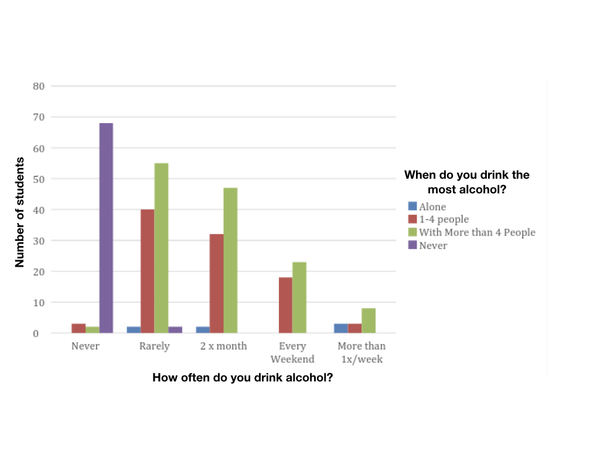
Palermo et al. examined the effect of group size on drinking habits of college and high school students. The authors found that both high school and college students tended to consume the most alcohol in group sizes of 4 or more, independent of how frequently they drink. They also found that the proportion of college students that drink is nearly twice the proportion of high school students that drink. This study supports previous findings that underage drinking happens in large groups and suggests that effective intervention in underage drinking would be at the group level.
Read More...Bird Feeding Experiment: Do Wild Birds Feed in a More Wooded or Exposed Area?
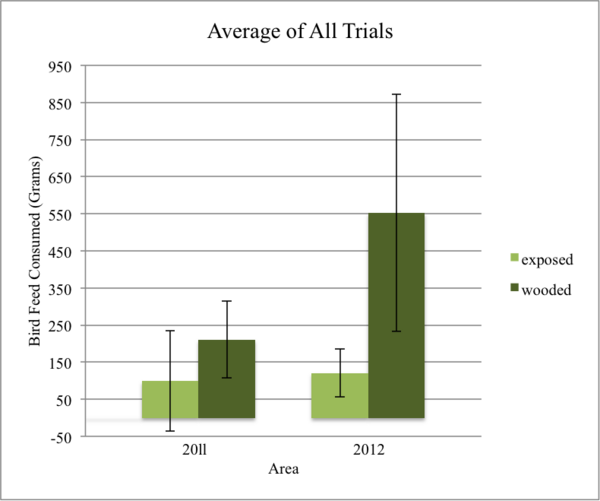
Habitat loss and global warming remain present-day issues that continue to place pressures on various ecosystems and their species. The authors of this paper performed studies over two years to understand whether birds feed more from wooded or exposed areas.
Read More...Isolation of Microbes From Common Household Surfaces
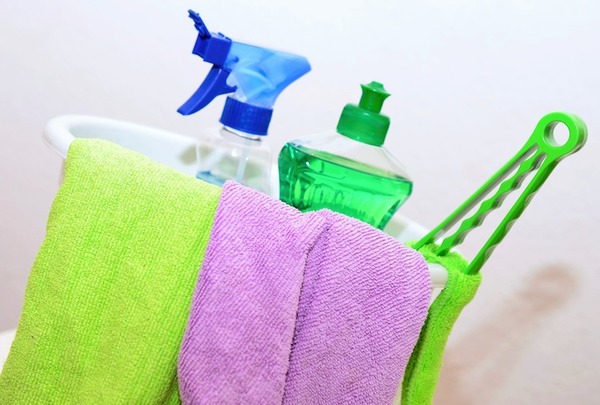
Microorganisms such as bacteria and fungi live everywhere in the world around us. The authors here demonstrate that these predominantly harmless microbes can be isolated from many household locations that appear "clean." Further, they test the cleaning power of 70% ethanol and suggest that many "clean" surfaces are not in fact "sterile."
Read More...Using heptane to extract almond oil
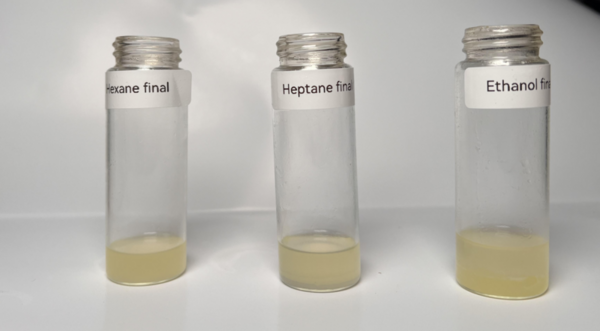
The authors looked at different strategies to extract oil from almonds to determine which gave the best results.
Read More...The effects of cochineal and Allura Red AC dyes on Escherichia coli and Bacillus coagulans growth
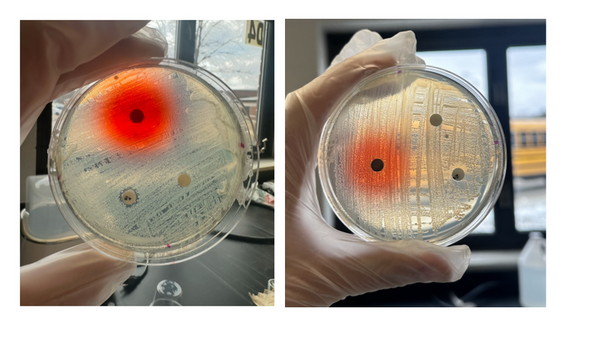
Here the authors aimed to compare the effects of artificial Allura Red AC dye and natural cochineal dye on the growth of Escherichia coli and Bacillus coagulans bacteria. Their research found that only Allura Red AC dye significantly affected bacterial growth, specifically amplifying E. coli growth. Based on their results, they suggest that Allura Red AC dye may increase the growth of E. coli bacteria within the human gut.
Read More...Comparative life cycle analysis: Solvent recycling and improved dewatering scenarios in PHB plastic production
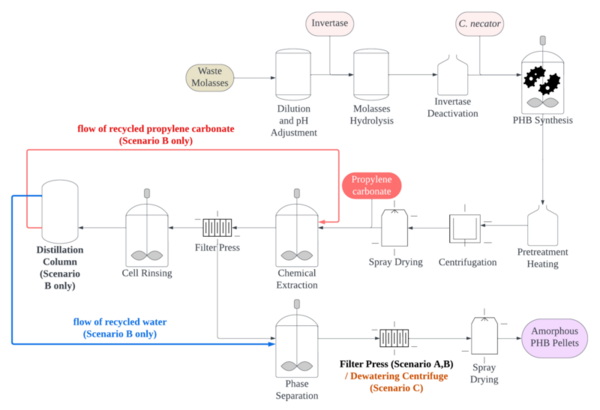
The authors looked at alternative production processes for PHB plastic in an effort to reduce environmental impact. They found that no alternative process was able to significantly decrease the environmental impact of PHB production, but that optimizing dewatering steps during production could lead to the largest improvement on environmental impact.
Read More...