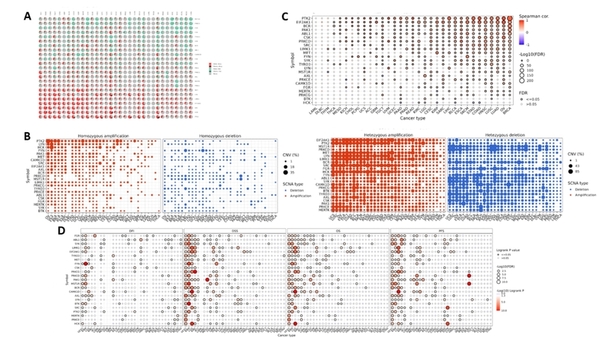
This study analyzes genetic alterations and expression patterns of protein kinases involved in phagocytosis across multiple cancers using TCGA data.
Read More...Protein kinases in phagocytosis (phagocytotic kinome): A promising biomarker set in cancer therapeutics
This study analyzes genetic alterations and expression patterns of protein kinases involved in phagocytosis across multiple cancers using TCGA data.
Read More...The Protective Effects of Panax notoginseng Saponin on the Blood-Brain Barrier via the Nrf2/ARE Pathway in bEnd3 Cells
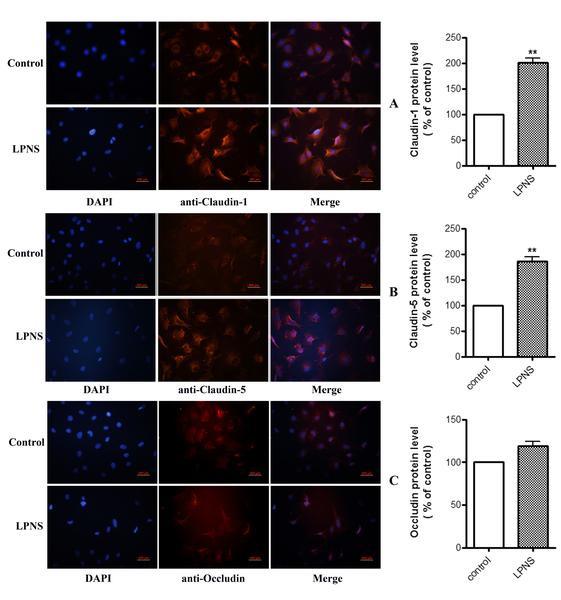
Disruption of the blood-brain barrier (BBB) is related to many neurological disorders, and can be caused by oxidative stress to cerebral microvascular endothelial cells (CMECs) composing the BBB. The authors of the paper investigated the protective effects of the total saponins in the leaves of Panax notoginseng (LPNS) on oxidative-stress-induced damage in a mouse cerebral microvascular endothelial cell line.
Read More...Retinal biomarkers for the detection of neurological disease using deep learning
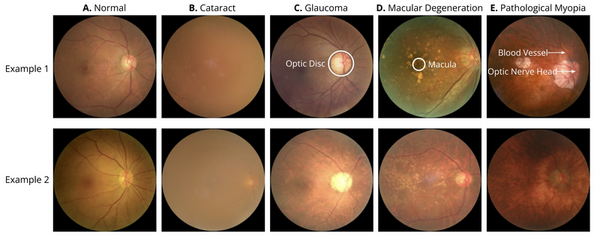
The authors looked at whether retinal features, specifically lens clarity, optic nerve cupping, and hyperreflective foci, can serve as biomarkers for neuro-ophthalmological diseases, which share pathological mechanisms with neurodegeneration and may indicate broader neurological risk. Using multimodal clinical data and machine learning, they investigated the potential of retinal imaging as a complementary diagnostic tool for more accurate and accessible detection of neurological disorders.
Read More...Social and psychosocial factors associated with mood states among adolescents: A questionnaire-based study

The authors assess the relationship between supportive family environments and internalized stigma in adolescents.
Read More...Electrocatalytic oxidation of furfural on Co3O4/nickel foam catalyst: performance and mechanistic study
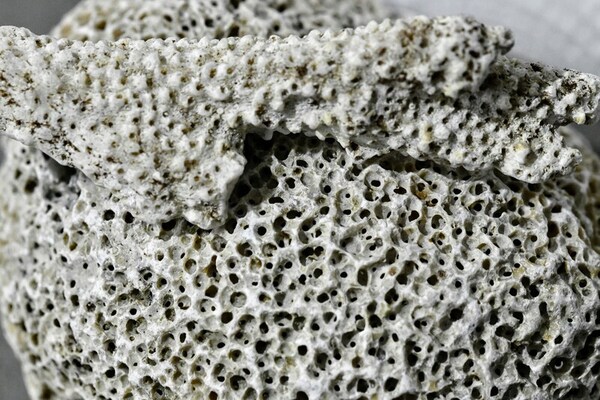
In this study, the authors hypothesized that the unique redox properties of cobalt oxide (Co3O4), combined with the conductive nature of the nickel foam (NF) substrate, synergistically enhances the catalytic performance for furfural oxidation. The study showed successful synthesis of Co3O4 nanoflowers directly grown on NF and tested their capacity to serve as a highly efficient electrocatalyst for furfural oxidation. Beyond furfural oxidation, this study also offers broader implications for sustainable chemistry by establishing design principles for efficient nucleophilic oxidation reaction catalysts, demonstrating an energy-saving alternative to conventional oxygen evolution reaction-coupled processes, and showcasing how biomass conversion can be integrated with renewable energy systems.
Read More...Simulating single versus cocktail antibiotic effects on the human gut microbiome
This study, uses SimulATe to model changes in microbial diversity and community structure upon administering a cocktail of antibiotics versus a single antibiotic. The authors hypothesized that antibiotic cocktails, particularly those combining broad-spectrum drugs like tetracyclines and trimethoprims, would cause a more significant reduction in gut microbial diversity compared to single-drug treatments. The findings confirmed a greater loss of microbial diversity with combinatorial treatments compared to single-drug treatments. While individual antibiotics dynamically reshaped the surviving species of the microbiome, antibiotic cocktails frequently cleared all species of the gut microbiome.
Read More...Ultraviolet exposure and thermal mass variation on surface temperature responses in building materials
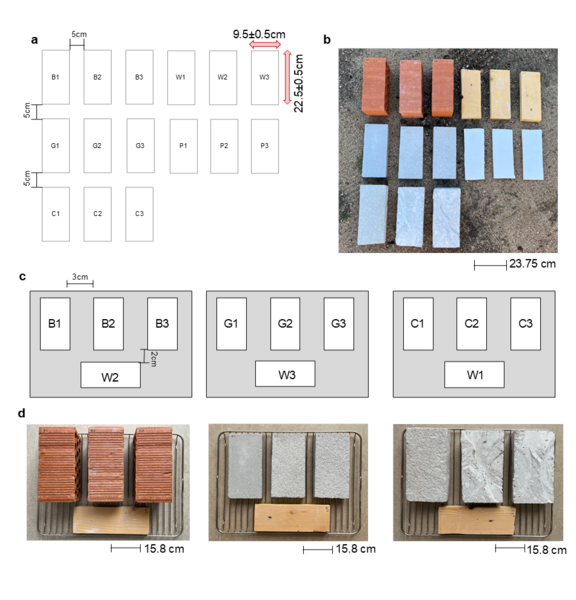
The authors studied the response of various construction materials to UV solar radiation and heat.
Read More...Advancing pediatric cancer predictions through generative artificial intelligence and machine learning
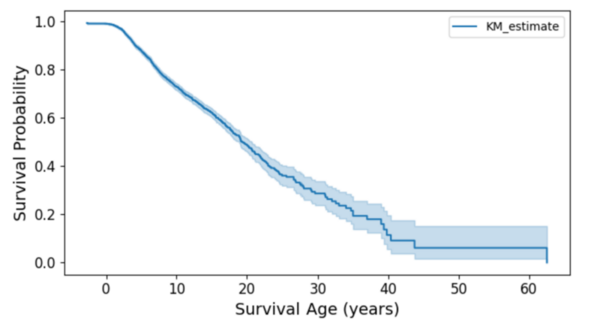
Pediatric cancers pose unique challenges due to their rarity and distinct biological factors, emphasizing the need for accurate survival prediction to guide treatment. This study integrated generative AI and machine learning, including synthetic data, to analyze 9,184 pediatric cancer patients, identifying age at diagnosis, cancer types, and anatomical sites as significant survival predictors. The findings highlight the potential of AI-driven approaches to improve survival prediction and inform personalized treatment strategies, with broader implications for innovative healthcare applications.
Read More...The effect of music on teenagers in combatting stress and improving performance

Here, the researchers investigated how exposure to active versus passive music affects a teenager's ability to perform a challenging task, namely a Sudoku puzzle, under stressful conditions. Following testing 75 high school teenagers split into two group, the researchers found that singing in a choir (active music) yielded a greater improvement in performance compared to passive listening for brief time periods.
Read More...Temporal characterization of electroencephalogram slowing activity types
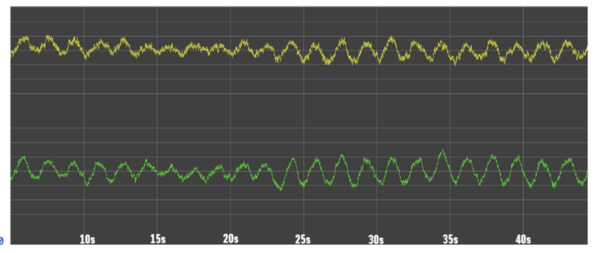
The authors use machine learning to analyze electroencephalogram data and identify slowing patterns that can indicate undetected disorders like epilepsy or dementia
Read More...