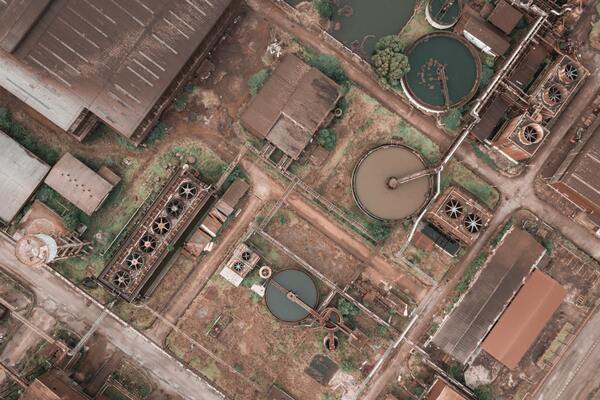
The authors analyzed biosolids from five Wisconsin wastewater treatment plants and suggest using KBr pellet FTIR as a simple and rapid method to start characterizing P species in biosolids.
Read More...Fourier-Transform Infrared (FTIR) spectroscopy analysis of seven wisconsin biosolids
The authors analyzed biosolids from five Wisconsin wastewater treatment plants and suggest using KBr pellet FTIR as a simple and rapid method to start characterizing P species in biosolids.
Read More...How CAFOs affect Escherichia coli contents in surrounding water sources
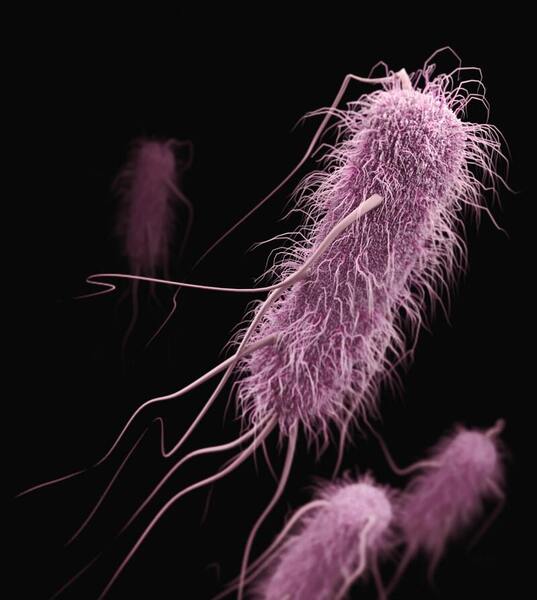
Commercial Concentrated Animal Feeding Operations (CAFOs) produce large quantities of waste material from the animals being housed in them. These feedlots found across the United States contain livestock that produce waste that results in hazardous runoff. This study examines how CAFOs affect water sources by testing for Escherichia Coli (E. coli) content in bodies of water near CAFOs.
Read More...More efficient sources of water distribution for agricultural and general usage
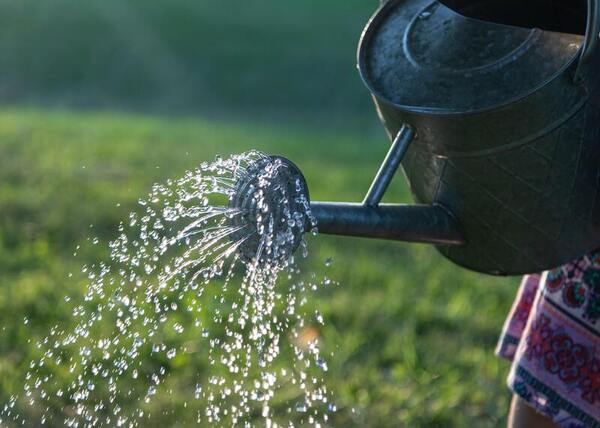
Here, the authors investigated alternative methods to irrigate plants based on the their identification that current irrigation systems waste a large amount of fresh water. They compared three different delivery methods for water: conventional sprinkler, underground cloth, and a perforated pipe embedded in the soil. They found the cloth method to save the most water, although plant growth was slightly less in comparison to plants watered with the sprinkler method or pipe method.
Read More...Locating carcinogenic per- and poly-fluoroalkyl substances in Santa Clarita groundwater
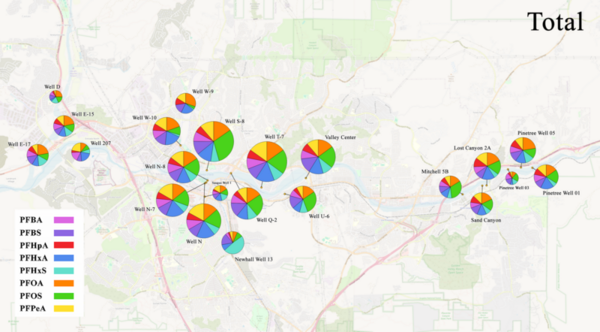
This study investigates PFAS contamination in Santa Clarita groundwater, focusing on potential sources. The study employs statistical analysis to assess data quality and trends which allowed them to identified domestic waste, fire extinguisher materials, and food packaging as the most likely sources of contamination.
Read More...Analysis of Milorganite’s ability to sustain growth of Ocimum basilicum in simulated Martian soil
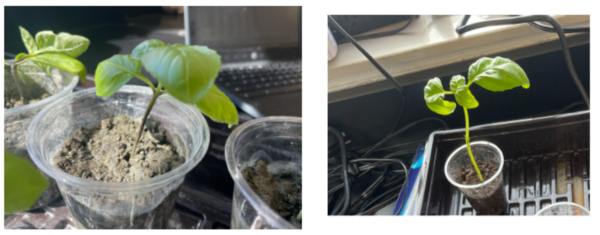
The authors test whether basil can grow in a simulated Martian soil improved with a waste-based fertilizer called Milorganite.
Read More...Machine learning-based enzyme engineering of PETase for improved efficiency in plastic degradation
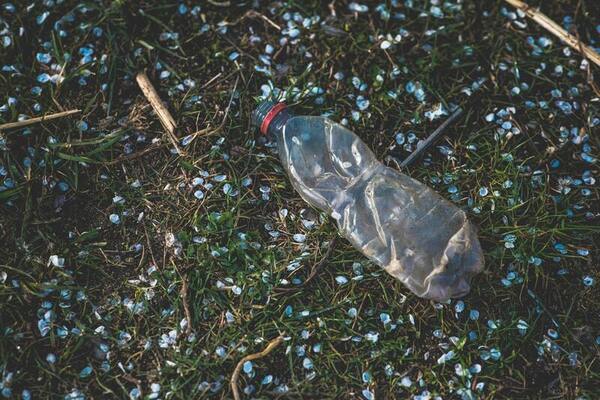
Here, recognizing the recognizing the growing threat of non-biodegradable plastic waste, the authors investigated the ability to use a modified enzyme identified in bacteria to decompose polyethylene terephthalate (PET). They used simulations to screen and identify an optimized enzyme based on machine learning models. Ultimately, they identified a potential mutant PETases capable of decomposing PET with improved thermal stability.
Read More...Exploring the possibilities for reactions between SiW and alkaline solutions to be renewable energy sources
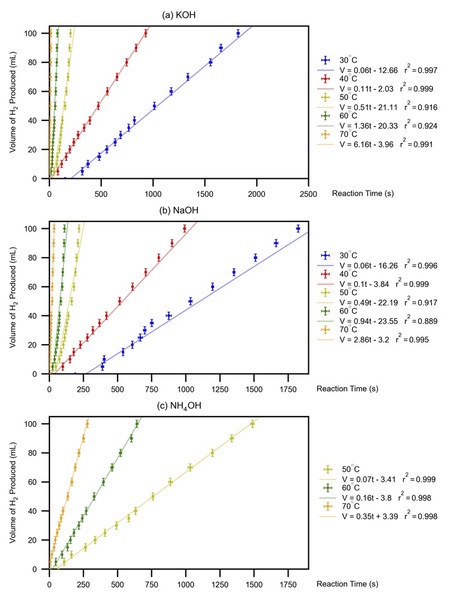
The authors looked at hydrogen gas production and how reaction temperature, concentration and alkaline solution used impacted the overall reaction with silicon. They found that all alkaline solutions tested would be viable options for using silicon waste to produce hydrogen gas to be used a renewable energy source.
Read More...Heat impact to food’s shelf life - An example of milk

Food spoilage happens when food is not kept in a good storage condition. Qualitatively estimating the shortened shelf life of food could reduce food waste. In this study, we tested the impact of heat on milk shelf life. Our results showed that an exposure at room temperature (25°C) for 3.2 hours will decrease the shelf life of milk by one day.
Read More...Effects of Ocean Acidification on Marine Calcium Carbonate
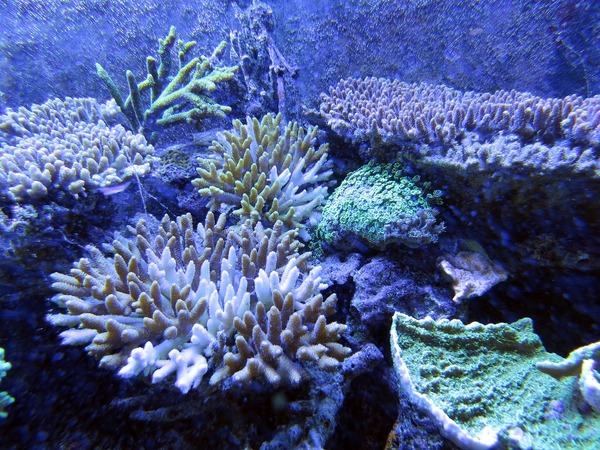
Industrialization has transformed human life and improved it for many. Nonetheless, a side effect has been an increase in chemical waste, which when not disposed of properly, has detrimental effects on surrounding habitats. An increase in ocean acidification could potentially affect many forms of life, disrupting the ecological balance in unforeseeable ways. In this article the authors explore the effect of acidification on corals and shells, and observe that an increase in ocean acidity has a significant effect on corals, but not shells. This illustrates how acidification could negatively affect marine life, and calls our attention to managing the factors that contribute to increasing the pH of the Earth's water bodies.
Read More...A Scientific Investigation of Alternative Growing Methods to Cultivate Lactuca sativa
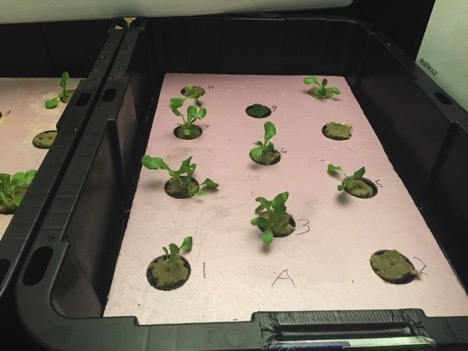
In this article, the authors compare different resource-efficient farming methods for the vegetable Lactuca sativa. They compared hydroponics (solid growth medium with added nutrients) to aquaponics (water with fish waste to provide nutrients) and determined efficacy by measuring plant height over time. While both systems supported plant growth, the authors concluded that aquaponics was the superior method for supporting Lactuca sativa growth. These findings are of great relevance as we continue to find the most sustainable and efficient means for farming.
Read More...