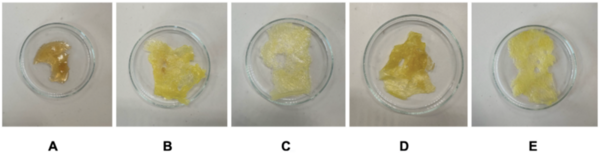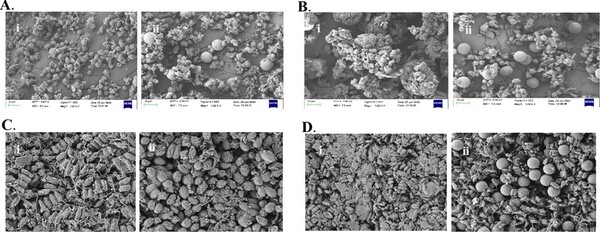
The authors test the effect of petroleum-based and bio-based microplastics on the growth of two microalgae species.
Read More...Differential physiological response of microalgae exposed to petroleum- and bio-based microplastics
The authors test the effect of petroleum-based and bio-based microplastics on the growth of two microalgae species.
Read More...A comparison of starches and plasticizers for biopolymer synthesis and degradation
Mitigating microplastic exposure from water consumption in junior high students and teachers
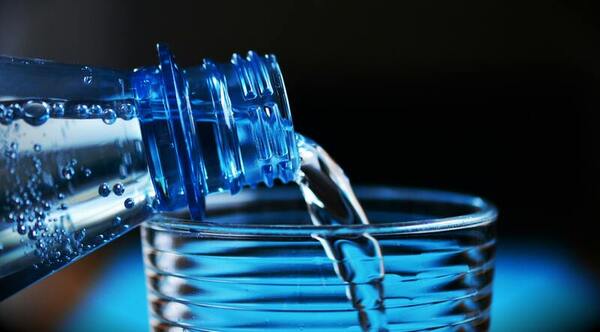
Microplastics (MPs) are inorganic material that have been observed within items destined for human consumption, including water, and may pose a potential health hazard. Here we estimated the average amount of MPs junior high students and teachers consumed from different water sources and determined whether promoting awareness of microplastic (MP) exposure influenced choice of water source and potential MPs consumed.
Read More...A Juxtaposition of Airborne Microplastics and Fiber Contamination in Various Environments
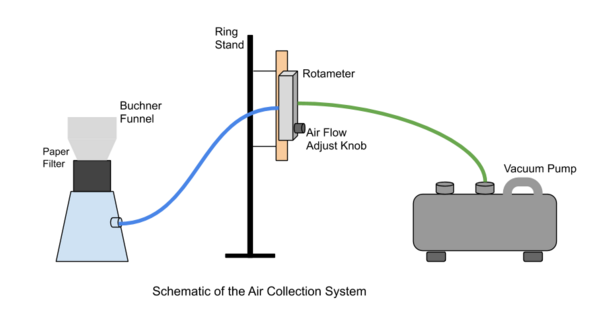
Microplastics can have detrimental effects on various wildlife, as well as pollute aquatic and atmospheric environments. This study focused on air samples collected from five locations to investigate microplastic concentrations in atmospheric fallout from indoor and outdoor settings, through a process utilizing a hand-held vacuum pump and a rotameter. The authors found that the difference between the average number of microplastic fragments and fibers collected from all locations was not large enough to be statistically significant. The results collected in this study will contribute to knowledge of the prevalence of airborne microplastics.
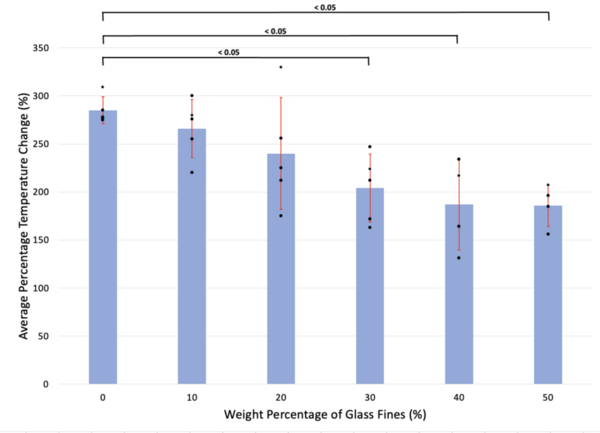
Read More...The effectiveness of glass fines on the fire resistance of mycelium-based biocomposites
Analysis of the catalytic efficiency of spent coffee grounds and titanium dioxide using UV-Vis spectroscopy
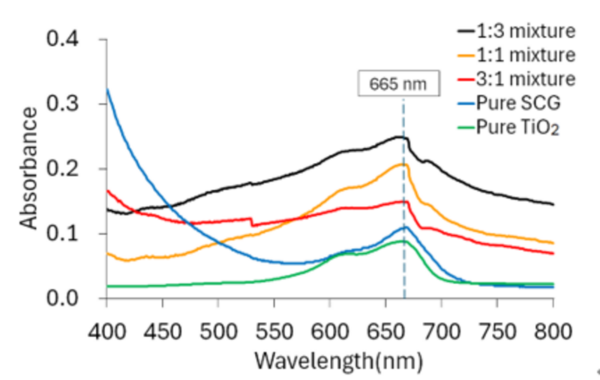
This paper looks at using spent coffee grounds as a partial substitute for titanium dioxide (TiO2) as a catalyst for chemical reactions. Using UV-Vis spectrophotometry, they found that adding the coffee grounds to TiO2 in a 3:1 ratio, there is still meaningful catalytic activity. This offers a cheaper solution than just using pure TiO2.
Read More...Efficacy of electrolytic treatment on degrading microplastics in tap water

Here seeking to identify a method to remove harmful microplastics from water, the authors investigated the viability of using electrolysis to degrade microplastics in tap water. Compared to control samples, they found electrolysis treatment to significantly the number of net microplastics, suggesting that this treatment could potentially implemented into homes or drinking water treatment facilities.
Read More...The effects of container materials on food microwave heat times
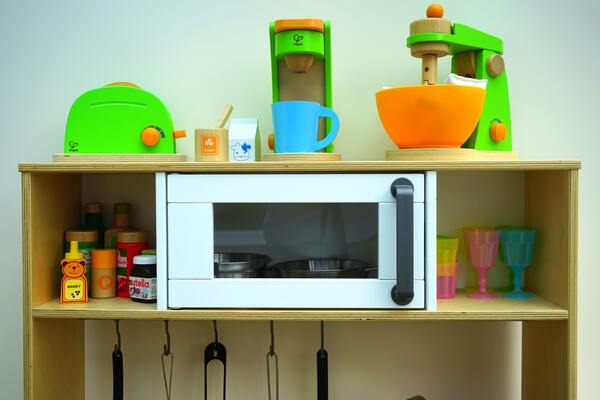
The authors analyzed the heat transfer of different containers in the microwave aiming to identify the most optimal material of container to reduce heating time.
Read More...Minimizing distortion with additive manufacturing parts using Machine Learning
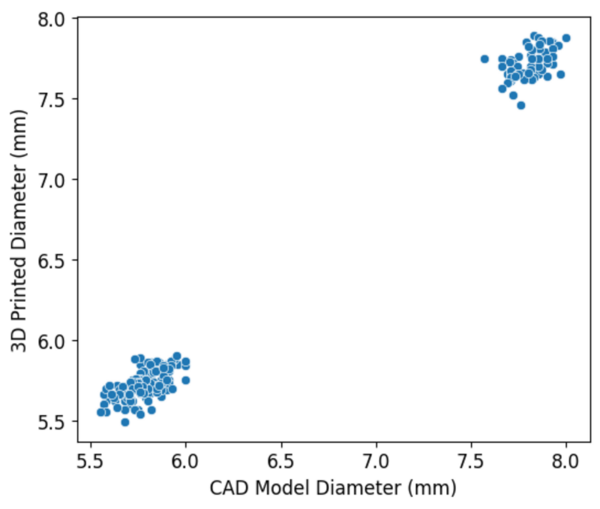
This study explores how to predict and minimize distortion in 3D printed parts, particularly when using affordable PLA filament. The researchers developed a model using a gradient boosting regressor trained on 3D printing data, aiming to predict the necessary CAD dimensions to counteract print distortion.
Read More...Effects of polyethylene microplastics on the growth of Arabidopsis thaliana & Phaseolus vulgaris and their soil
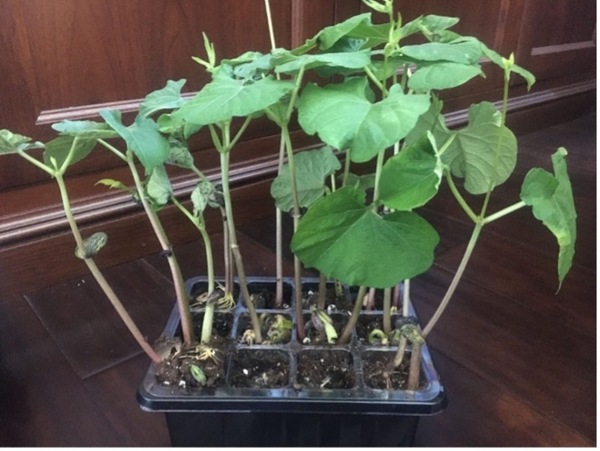
In this study, the authors investigate whether microplastics affect terrestrial plant growth and soil quality.
Read More...