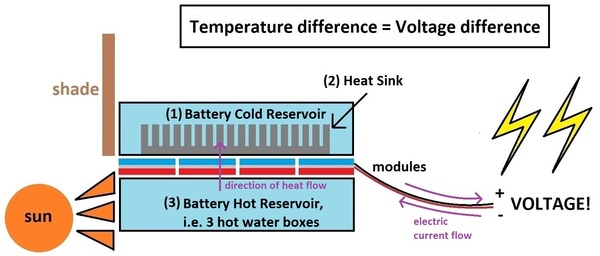
The authors test the feasibility of using thermoelectric modules as a power source and as an air conditioner to decrease reliance on fossil fuels. The results showed that, at its peak, their battery generated 27% more power – in watts per square inch – than a solar panel, and the thermoelectric air conditioner operated despite an unsteady input voltage. The battery has incredible potential, especially if its peak power output can be maintained.
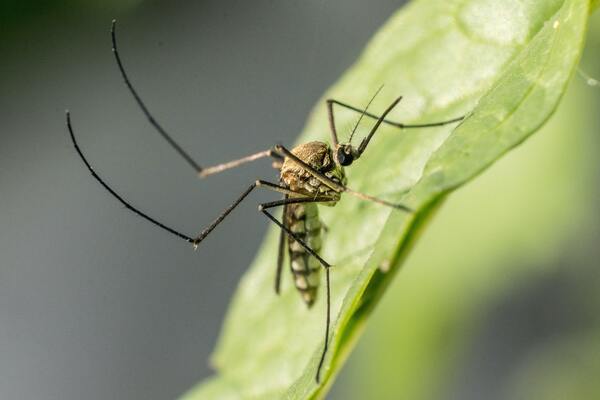
Mosquito-borne diseases are a major issue across the world, and the objective for this project was to determine the characteristics that make some communities more susceptible to these diseases than others. The authors identified and studied characteristics that make communities susceptible to mosquito-borne diseases, including water in square miles, average temperature, population, population density, and poverty rates per county. They found that the population of a county is the best indicator of the prevalence of mosquito-borne diseases.
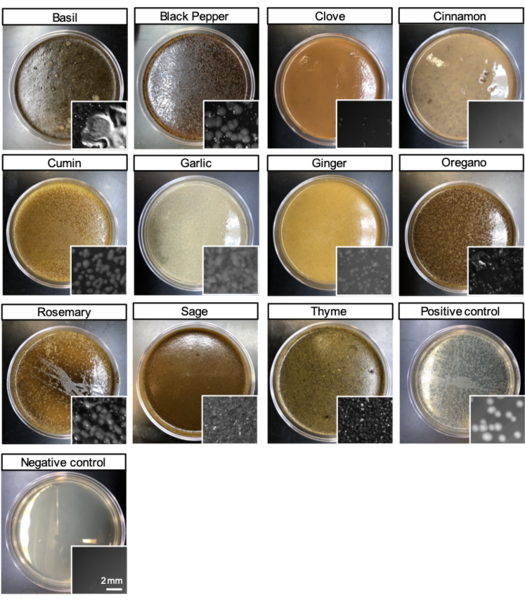
Bacterial infection is resurging as one of the most dangerous challenges facing the medical establishment. Americans spend about 55 to 70 billion dollars per year on antibiotics, yet these antibiotics are becoming increasingly ineffective as illness-causing bacteria gain resistance to the prescribed drugs. We tested if 11 commonly-used spices could inhibit growth of the gram-negative bacteria, E. coli, the main takeaway from these experiments is that certain spices and herbs have antibacterial effects that inhibit growth of E.coli , and these spices could show similarly promising activity towards other bacteria.
This study is focused on the distribution of microplastics in Long Island, NY. Microplastics are plastic particles that measure less than 5 mm in length and pose an environmental risk due to their size, composition, and ubiquitous location in the marine environment. Focusing on the South Shore of Long Island, the authors investigated the locations and concentrations of microplastics at four locations along the shore line. While they did not find significant differences in the number of microplastics per location, there were microplastics at all four locations. This finding is important to drive future research and environmental policy as well.
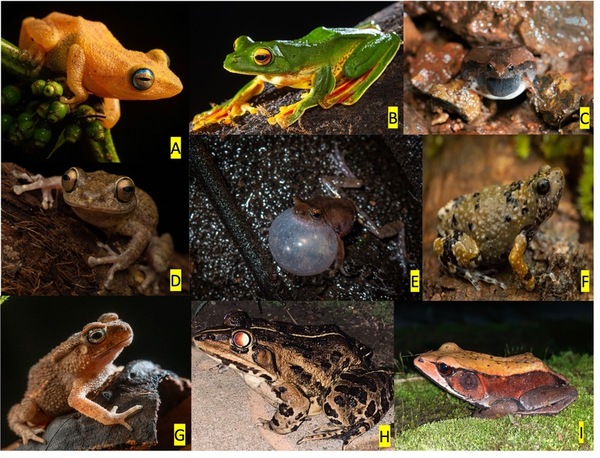
The mountain chain of the Western Ghats on the Indian peninsula, a UNESCO World Heritage site, is home to about 200 frog species, 89 of which are endemic. Distinctive to each frog species, their vocalizations can be used for species recognition. Manually surveying frogs at night during the rain in elephant and big cat forests is difficult, so being able to autonomously record ambient soundscapes and identify species is essential. An effective machine learning (ML) species classifier requires substantial training data from this area. The goal of this study was to assess data augmentation techniques on a dataset of frog vocalizations from this region, which has a minimal number of audio recordings per species. Consequently, enhancing an ML model’s performance with limited data is necessary. We analyzed the effects of four data augmentation techniques (Time Shifting, Noise Injection, Spectral Augmentation, and Test-Time Augmentation) individually and their combined effect on the frog vocalization data and the public environmental sounds dataset (ESC-50). The effect of combined data augmentation techniques improved the model's relative accuracy as the size of the dataset decreased. The combination of all four techniques improved the ML model’s classification accuracy on the frog calls dataset by 94%. This study established a data augmentation approach to maximize the classification accuracy with sparse data of frog call recordings, thereby creating a possibility to build a real-world automated field frog species identifier system. Such a system can significantly help in the conservation of frog species in this vital biodiversity hotspot.
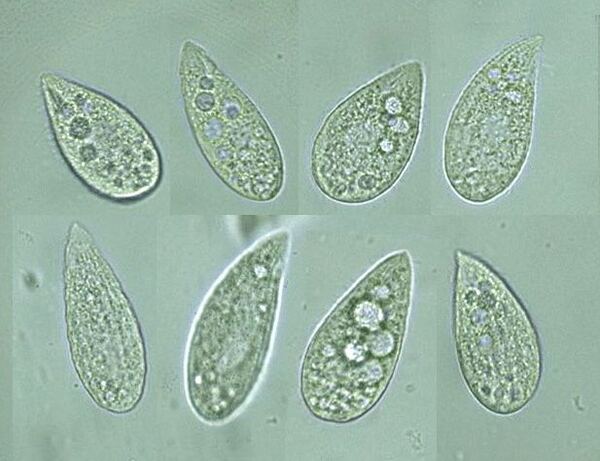
Phagocytes feed by forming food vacuoles. In this article the authors investigate the extent that exposure of non-nutritional food, such as India Ink, to Tetrahymena pyriformis affects the number of vacuole formation. These studies provide insight to how organisms budget their energy and metabolic processes during an energy shortage.
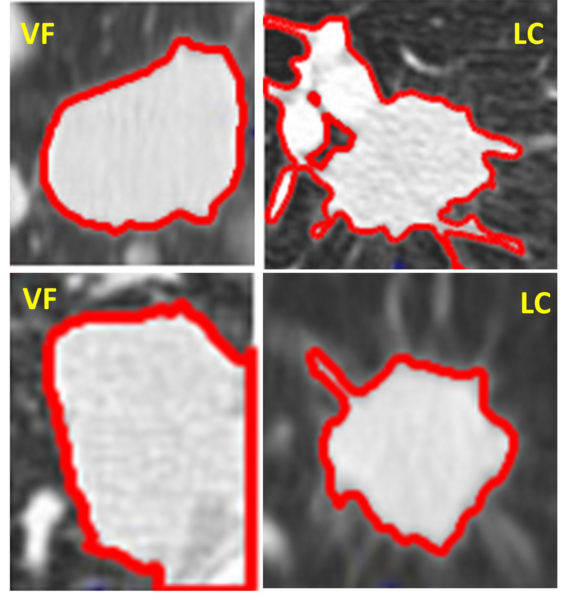
Pulmonary diseases like lung cancer and valley fever pose serious health challenges, making accurate and rapid diagnostics essential. This study developed a MATLAB-based software tool that uses computer vision techniques to differentiate between these diseases by analyzing features of lung nodules in CT scans, achieving higher precision than traditional methods.
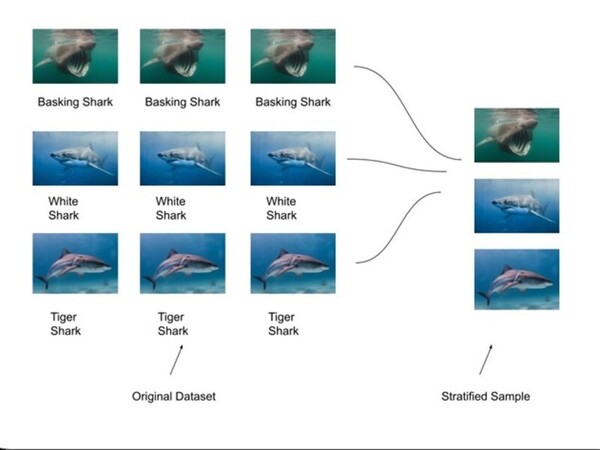
The challenge of accurately identifying shark species is crucial for biodiversity monitoring but is often hindered by time-consuming and labor-intensive manual methods. To address this, SharkNet, a CNN model based on AlexNet, achieved 93% accuracy in classifying shark species using a limited dataset of 1,400 images across 14 species. SharkNet offers a more efficient and reliable solution for marine biologists and conservationists in species identification and environmental monitoring.