Browse Articles

Isolation of Microbes From Common Household Surfaces

Gajanan et al. | Jan 27, 2013

Isolation of Microbes From Common Household Surfaces

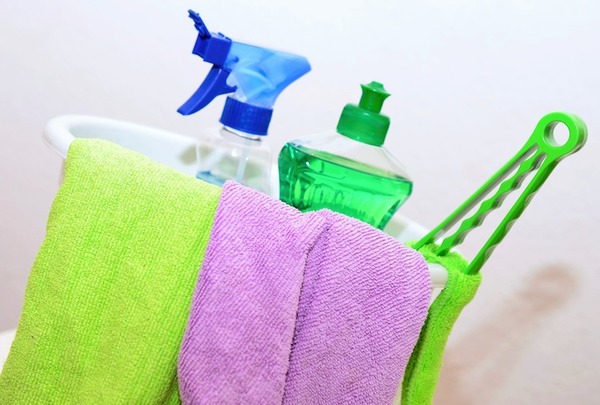
Microorganisms such as bacteria and fungi live everywhere in the world around us. The authors here demonstrate that these predominantly harmless microbes can be isolated from many household locations that appear "clean." Further, they test the cleaning power of 70% ethanol and suggest that many "clean" surfaces are not in fact "sterile."

Read More...
Leaky expression of PRMT1 in Escherichia coli and redox regulation of its histone methyltransferase activity

Kim et al. | Oct 07, 2026

Leaky expression of PRMT1 in <i>Escherichia coli</i> and redox regulation of its histone methyltransferase activity

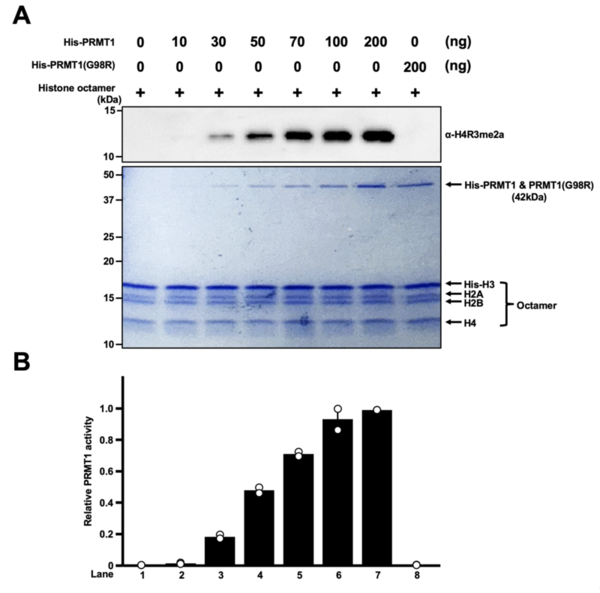
This study characterizes recombinant human Protein arginine methyltransferase 1 (PRMT1) expressed in Escherichia. coli and reveals that the enzyme exhibits leaky expression even without isopropyl β-D-1-thiogalactopyranoside (IPTG) induction. Through in vitro histone methyltransferase assays, we demonstrate that PRMT1 activity toward histone H4R3 is enhanced by dithiothreitol (DTT) in a dose-dependent manner but remains unresponsive to β-mercaptoethanol. These findings highlight the critical role of redox conditions in regulating PRMT1 catalytic function and provide a practical framework for future biochemical and kinetic studies.

Read More...

In vitro effects of cosmetic products on the growth of skin-resident bacteria

Relia et al. | Sep 20, 2026

<i>In vitro</i> effects of cosmetic products on the growth of skin-resident bacteria

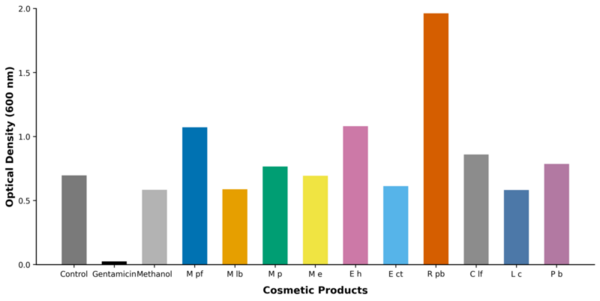
This study investigated how 18 commonly used cosmetic products affect the growth of two skin-resident bacteria, Staphylococcus epidermidis and Micrococcus luteus. At higher concentrations, half of the tested products inhibited at least one bacterial species, suggesting that some cosmetics may disrupt the skin microbiome and its natural balance.

Read More...

It's better than me: Investigating the psychological risks of AI on self-esteem

Kim et al. | Sep 07, 2026

It's better than me: Investigating the psychological risks of AI on self-esteem

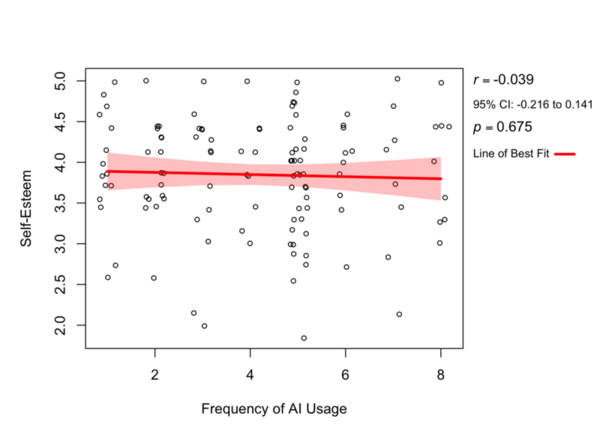
Here the authors investigated whether frequent use of generative AI tools triggers upward social comparison and negatively impacts users' performance self-esteem. Based on a survey of 121 adults, they found no significant relationship between AI usage and self-esteem, concluding that current chatbot interactions do not pose the same psychological threat as peer-based comparisons.

Read More...

A cross-cultural analysis of consumer behavior and payment preferences: Insights from India and the United Arab Emirates

Bansal et al. | Sep 01, 2026

A cross-cultural analysis of consumer behavior and payment preferences: Insights from India and the United Arab Emirates

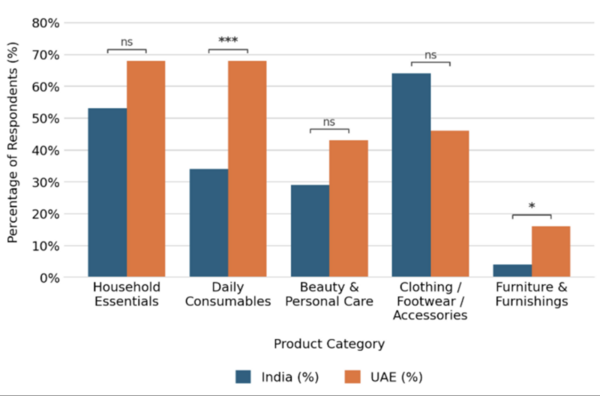
Consumers in India and the United Arab Emirates live in very different economic and cultural environments, and this study set out to measure how that shapes the way they shop and pay. Surveying 50 people in each country, they found that Indian consumers were more price-sensitive and favored cash, while UAE consumers prioritized convenience, gravitating toward credit cards, mobile wallets, and online shopping. The results offer practical insight for retailers, marketers, and policymakers working across these two fast-growing but culturally distinct markets.

Read More...

A study of Syrian students' migration motivations, destinations, and return intentions in a time of crisis

Merjaneh et al. | Apr 16, 2026

A study of Syrian students' migration motivations, destinations, and return intentions in a time of crisis
Image credit: Aaron Burden, 2017

This study investigates the migration intentions of Syrian high school and university students amid ongoing conflict and economic instability. Drawing on survey data, the research examines how academic stage influences migration motivations, preferred destinations, and return intentions. The findings reveal a widespread desire to emigrate, driven by educational, economic, and security concerns, highlighting significant implications for Syria’s future workforce and post-conflict recovery.

Read More...

The effect of lead oxide concentrations on the bioluminescence intensity of Panellus stipticus

Park et al. | Mar 02, 2026

The effect of lead oxide concentrations on the bioluminescence intensity of <i>Panellus stipticus</i>

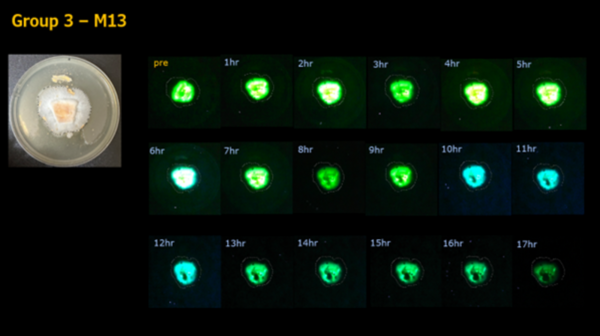
Here the authors investigate the potential of the bioluminescent fungus Panellus stipticus to serve as a sustainable bioindicator for environmental lead contamination. Their findings demonstrate that higher lead concentrations cause a measurable decrease in fungal bioluminescence intensity over time suggesting that the fungus could be an effective tool for detecting lead in an environment.

Read More...