In vitro effects of cosmetic products on the growth of skin-resident bacteria
(1) Eastern Regional High School, (2) Yard Sciences LLC USA
https://doi.org/10.59720/25-182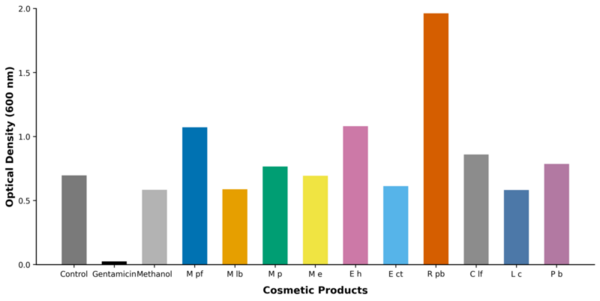
The widespread use of makeup and cosmetic products has attracted increased scientific scrutiny regarding their health effects, including the presence of harmful chemical constituents that may adversely affect human skin. As a result, it is essential for consumers to be informed about these risks before product application. The skin’s microbiome comprises diverse bacteria, fungi, mites, and viruses, which play a critical role in immune responses and inflammation. Staphylococcus epidermidis and Micrococcus luteus are common components of the human skin microbiome. While typically harmless, both species can act as opportunistic pathogens in immuno-compromised individuals. This study investigates the effects of commonly used cosmetic and makeup products on these two bacterial species. We hypothesized that application of makeup products to the skin may negatively influence skin microbiome by inhibiting the growth of resident microorganisms. 18 makeup items from well-known brands, including blushes, primers, concealers, and foundations, were selected. We conducted experiments on nutrient agar plates as cosmetic products precipitated in liquid culture. Our findings indicate that both bacterial species were adversely affected by the tested cosmetic products. At lower concentrations, no growth-promoting or inhibitory effects were observed. However, at higher concentrations, nine of 18 cosmetic products inhibited bacterial growth. Two inhibited the growth of Staphylococcus epidermidis, one inhibited Micrococcus luteus growth, and six products inhibited the growth of both species. Collectively, these findings suggest that certain cosmetic products can disrupt the skin microbiome, highlighting the need for greater awareness of how routine cosmetic use may influence skin health and microbial balance.
This article has been tagged with: