Browse Articles

The analysis of the antimicrobial benefits of Populus balsamifera

Breen et al. | Sep 22, 2021

The analysis of the antimicrobial benefits of <em>Populus balsamifera</em>

In this study, the authors investigated the antimicrobial properties of the tree species, Populus balsamifera. It was observed that the extract of the buds of P. balsamifera was highly effective against gram-positive bacteria. This helps to indicate the potential use of P. balsamifera in the medical field to eliminate gram-positive bacteria.

Read More...

Anticancer, anti-inflammatory, and apoptotic activities of MAT20, a poly-herbal formulation.

Kashyap Jha et al. | Mar 29, 2022

Anticancer, anti-inflammatory, and apoptotic activities of MAT20, a poly-herbal formulation.

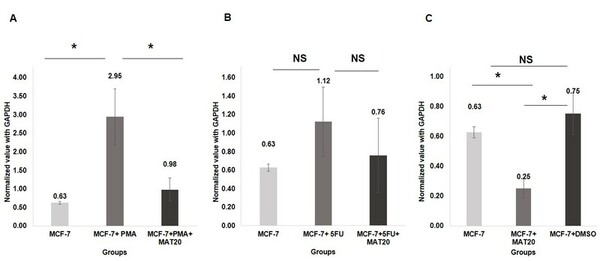
Kashyap Jha et al. look at the formulation of MAT20, a crude extract of the moringa, amla, and tulsi leaves, as a potential complementary and alternative medicine. Using HeLa cells, they find MAT20 up-regulates expression of inflammation and cell cytotoxicity markers. Their data is important for understanding the anti-cancer and anti-inflammatory properties of MAT20.

Read More...

Validating DTAPs with large language models: A novel approach to drug repurposing

Curtis et al. | Mar 02, 2025

Validating DTAPs with large language models: A novel approach to drug repurposing
Image credit: Growtika

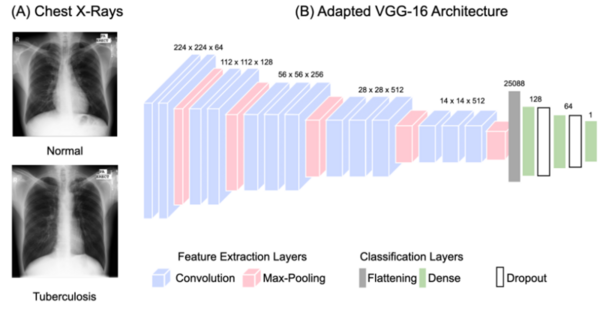
Here, the authors investigated the integration of large language models (LLMs) with drug target affinity predictors (DTAPs) to improve drug repurposing, demonstrating a significant increase in prediction accuracy, particularly with GPT-4, for psychotropic drugs and the sigma-1 receptor. This novel approach offers to potentially accelerate and reduce the cost of drug discovery by efficiently identifying new therapeutic uses for existing drugs.

Read More...

Testing Simarouba amara’s therapeutic effects against weedicide-induced tumor-like morphology in planarians

Thiagarajan et al. | Apr 26, 2024

Testing Simarouba amara’s therapeutic effects against weedicide-induced tumor-like morphology in planarians

According to the World Health Organization, cancer is a leading cause of death globally. The disease’s prevalence is rapidly increasing in association with factors including the increased use of pesticides and herbicides, such as glyphosate, which is one of the most widely used herbicide ingredients. Natural antioxidants and phytochemicals are being tested as anti-cancer agents due to their antiproliferative, antioxidative, and pro-apoptotic properties. Thus, we aimed to investigate the potential role of S. amara extract as a therapeutic agent against glyphosate-induced toxicity and tumor-like morphologies in regenerating and homeostatic planaria (Dugesia dorotocephala).

Read More...

Combating drug resistance in cancer cells: Cooperative effect of green tea and turmeric with chemotherapeutic drug

Nair et al. | Jul 27, 2020

Combating drug resistance in cancer cells: Cooperative effect of green tea and turmeric with chemotherapeutic drug

The major drawback of chemotherapy regimens for treating cancer is that the cancerous cells acquire drug resistance and become impervious to further dose escalation. Keeping in mind the studied success of herbal formulations with regard to alternative treatments for cancer, we hypothesized that the use of a chemotherapeutic drug and proprietary herbal formulation, HF1, would combat this phenomenon when administered with common chemotherapeutic drug 5FU. Results demonstrated a cooperative effect between HF1 and 5FU on the drug resistant cell line, implying that administration of HF1 with 5FU results in cell death as measured by MTT assay.

Read More...