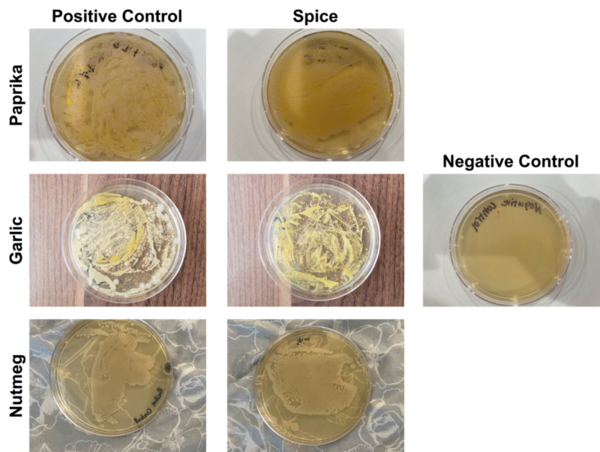
In this article the authors look at the ability of spices to reduce microbial load on a cutting surface by comparing growth of bacteria cultured before and after cleaning with various spice mixtures.
Read More...Testing antimicrobial properties of common household spices in a real-world scenario
In this article the authors look at the ability of spices to reduce microbial load on a cutting surface by comparing growth of bacteria cultured before and after cleaning with various spice mixtures.
Read More...Novel environmentally friendly approach to wastewater treatment eliminates aluminum sulfate and chlorination

The authors tested environmentally-friendly alternatives to wastewater treatment chemicals, including activated charcoal for filtration and citrus peels for preventing bacterial growth.
Read More...Comparing the Biodegradability of Petroleum-based Plastic with a Novel, Sustainable Bio-plastic Alternative
.jpg)
In this research, a novel bioplastic inclusive of bamboo tannins and chitosan is selected from more than 60 trial formula variations based on resulting strength, fatigue, and transparency attributes. The biodegradability of the finalized bioplastic is compared to that of conventional polyethylene, in addition to investigating its solubility and water absorbance. This research displays the potential of a legitimate, fully biodegradable plastic alternative to current marketplace bioplastics.
Read More...Social and psychosocial factors associated with mood states among adolescents: A questionnaire-based study

The authors assess the relationship between supportive family environments and internalized stigma in adolescents.
Read More...Novel anticancer effects of melatonin and berberine via signaling pathways in colorectal cancer and lymphoma
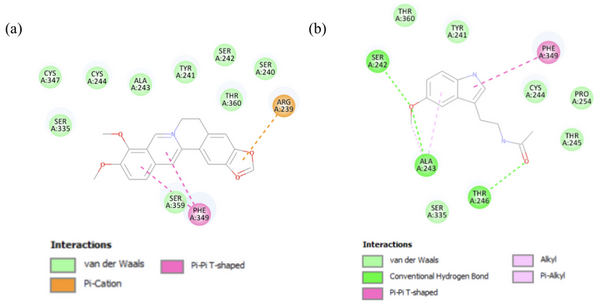
The authors looked at the ability of berberine in combination with melatonin to have anticancer effects when tested in an in vitro cell model.
Read More...Recombinant preparation and characterization of ADH1C and ALDH2 in alcohol metabolism
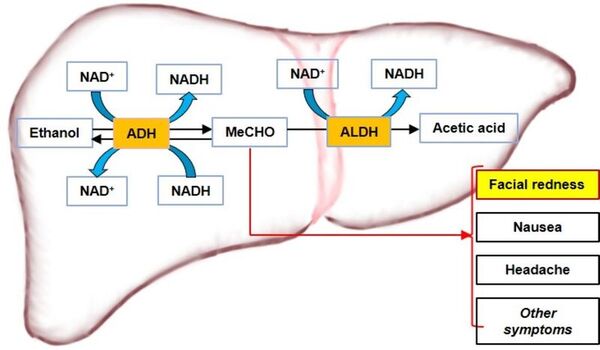
The authors test the activity of two purified human alcohol detoxification enzymes, alcohol dehydrogenase and aldehyde dehydrogenase.
Read More...Reduced psoriasis skin irritation symptoms through the effects of Chinese herbal medicines on planarians
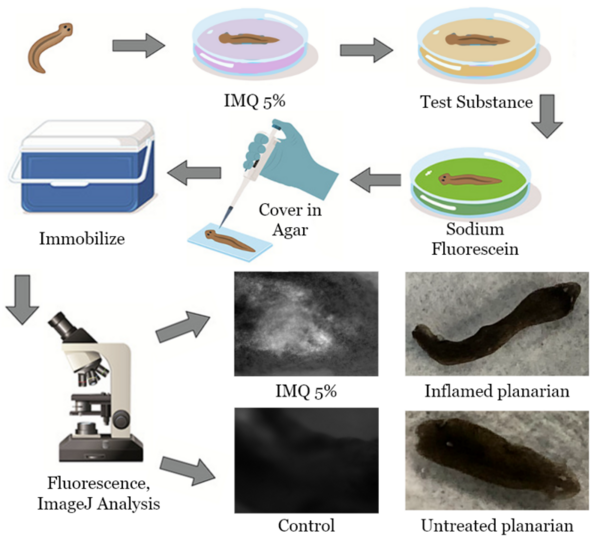
The authors looked at whether traditional Chinese medicine remedies that target the lungs and liver would reduce inflammation in a planaria model. They found that the two active compounds they tested were able to decrease induced inflammation by 97-98%.
Read More...Synthesis of sodium alginate composite bioplastic films
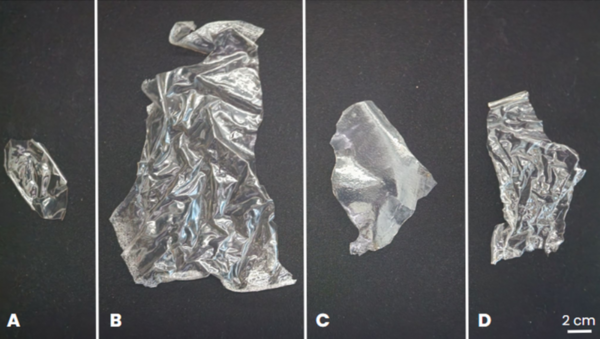
The authors looked at the development of biodegradable bioplastic and its features compared to PET packaging films. They were able to develop a biodegradable plastic with sodium alginate that dissolved in water and degrade in microbial conditions while also being transparent and flexible similar to current plastic films.
Read More...Mechanistic deconvolution of autoreduction in tetrazolium-based cell viability assays
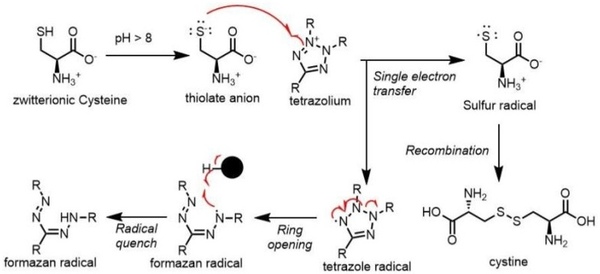
Optical reporters like tetrazolium dyes, exemplified by 5-diphenyl tetrazolium bromide (MTT), are effective tools for quantifying cellular responses under experimental conditions. These dyes assess cell viability by producing brightly-colored formazan dyes when reduced inside active cells. However, certain small molecules, including reducing agents like ascorbic acid, cysteine, and glutathione (GSH), can interfere with MTT assays, potentially compromising accuracy.
Read More...The effects of algaecides on Spirulina major and non-target organism Daphnia magna
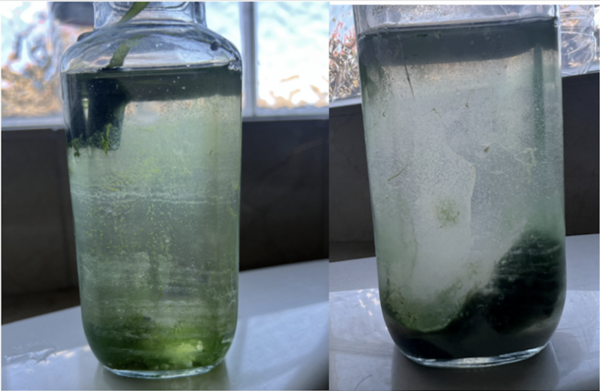
Algal blooms pose a threat to ecosystems, but the methods used to combat these blooms might harm more than just the algae. Halepete, Graham, and Lowe-Schmahl demonstrate negative effects of anti-algae treatments on a cyanobacterium (Spirulina major), and the water fleas (Daphnia magna) that live alongside these cyanobacteria.
Read More...